
Carrie Season 1 Review: A Thoughtful Take on a Horror Classic
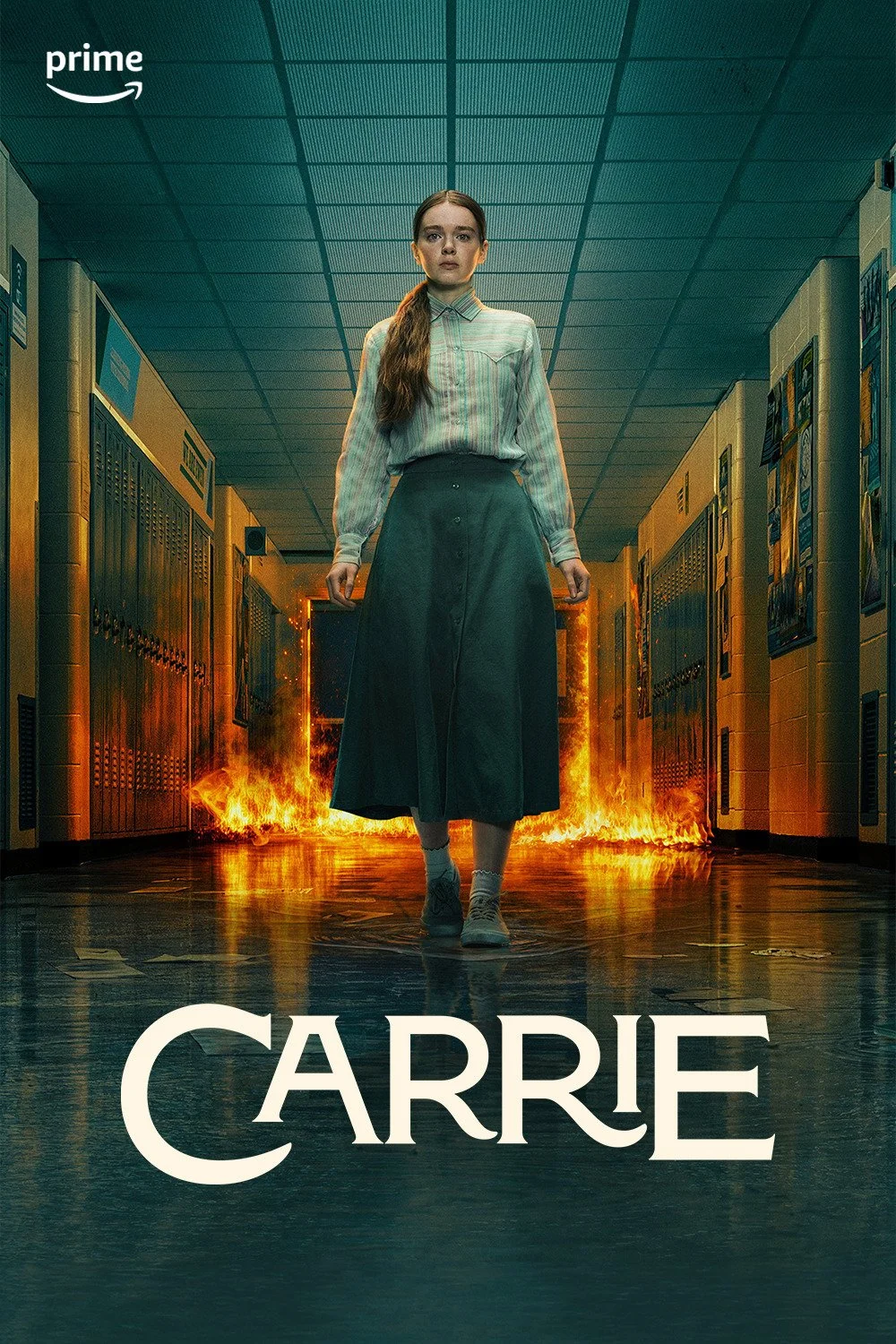
Image Courtesy of Amazon MGM Studios.
After rewatching The Haunting of Hill House every year to fuel my Mike Flanagan obsession, seeing the trailer for Carrie and knowing he was directing it was incredibly exciting. I’ll be honest: I had never seen any of the older Carrie films or read the book, so I tried to watch the original to familiarise myself with the story. Unfortunately, I wasn’t able to finish it before this series premiered.
The story takes place in the fictional town of Chamberlain, Maine, and follows Carrie White, played by Summer H. Howell. Carrie has spent most of her life isolated at home with her deeply religious and fiercely protective mother, Margaret White, played by the incredible Samantha Sloyan. Margaret’s fear and paranoia have shaped almost every part of Carrie’s life, leaving her completely unprepared for the world outside their home. After her father’s death forces her to attend public school, Carrie is suddenly thrown into the cruelty of her classmates, the pressures of modern life and the mysterious telekinetic abilities beginning to develop within her. That is a lot for anyone to deal with, especially someone who has been sheltered for so long.
One of the things I appreciated most about the series was its writing. Almost every interaction carries some level of tension, especially Carrie’s conversations with Margaret and her attempts to navigate the halls of Ewen High. Her relationship with Margaret is particularly difficult to watch. Margaret is not simply strict or overprotective; she has controlled nearly every part of Carrie’s life, leaving Carrie dependent on the same person who continues to hurt her. Yet Carrie still loves her mother, which makes their relationship feel much more complicated than a simple battle between good and evil. Margaret’s influence is frightening because of how deeply it has shaped the way Carrie sees herself.
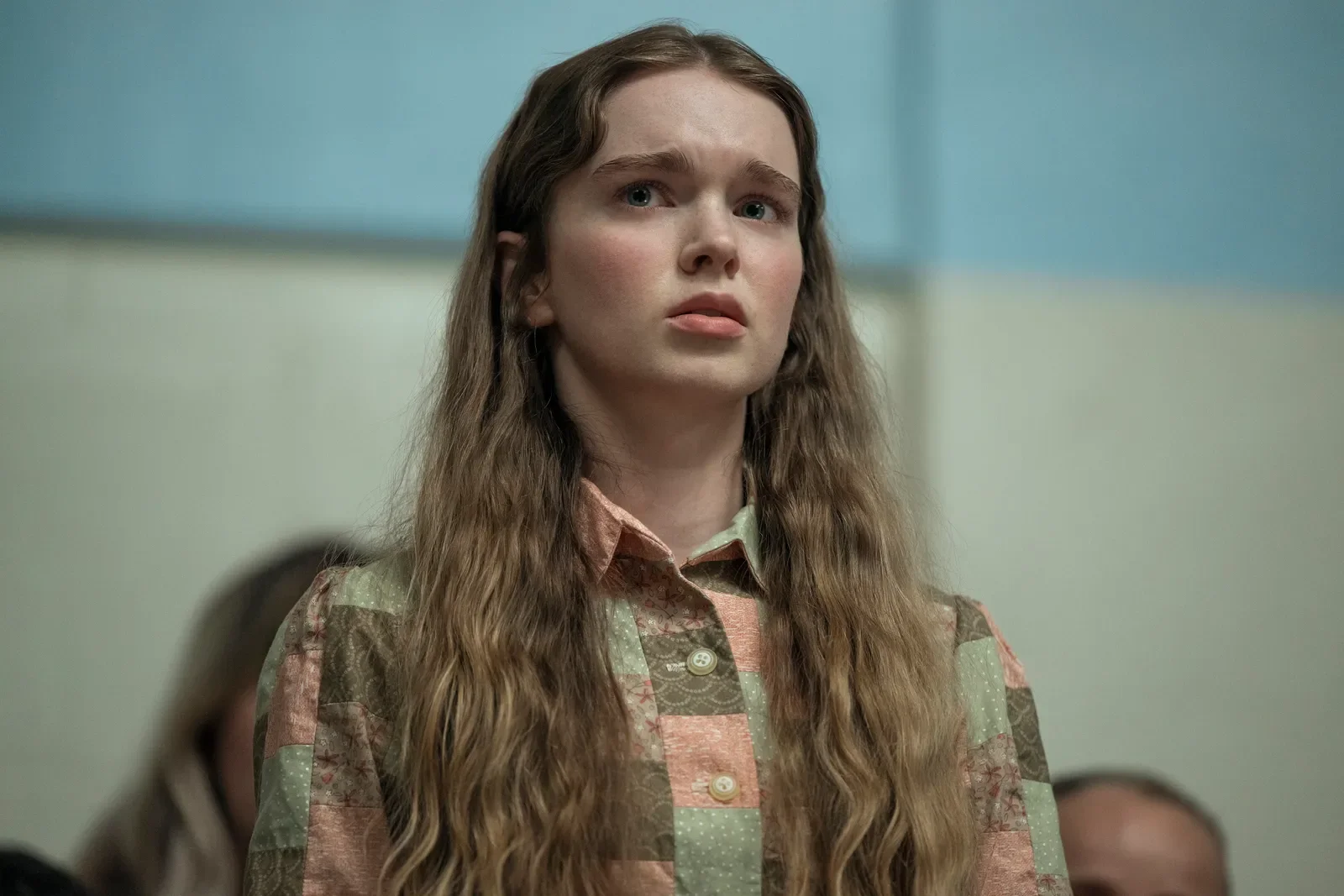
Image Courtesy of Amazon MGM Studios.
That same vulnerability follows Carrie into school, where she encounters people who are quick to judge and target her. Chris Hargensen, played by Alison Thornton, is one of the clearest examples of that cruelty. I absolutely hated Chris, which is a testament to how effectively Thornton captures the character’s entitlement and nastiness. Watching Carrie try to find her place in a world she has never been prepared for gives even her everyday interactions a sense of unease. You can feel her trying to understand how to exist in a place that has never really made room for her.
Another thing I appreciated was the way the series modernises the story. I wasn’t able to finish the original film, so I can’t make a full comparison, but I found the way certain scenes were reworked to include the pressures of social media really interesting. Growing up with platforms like Facebook, Instagram, and Snapchat, the way social media is used here felt all too real. I can’t say bullying is as rampant in Trinidad and Tobago as it may be in places like the United States, but the speed at which rumours, embarrassing moments, and cruel comments can spread online is something people everywhere can understand. It gives Carrie’s experience a more modern kind of discomfort because the bullying no longer ends when she leaves school.
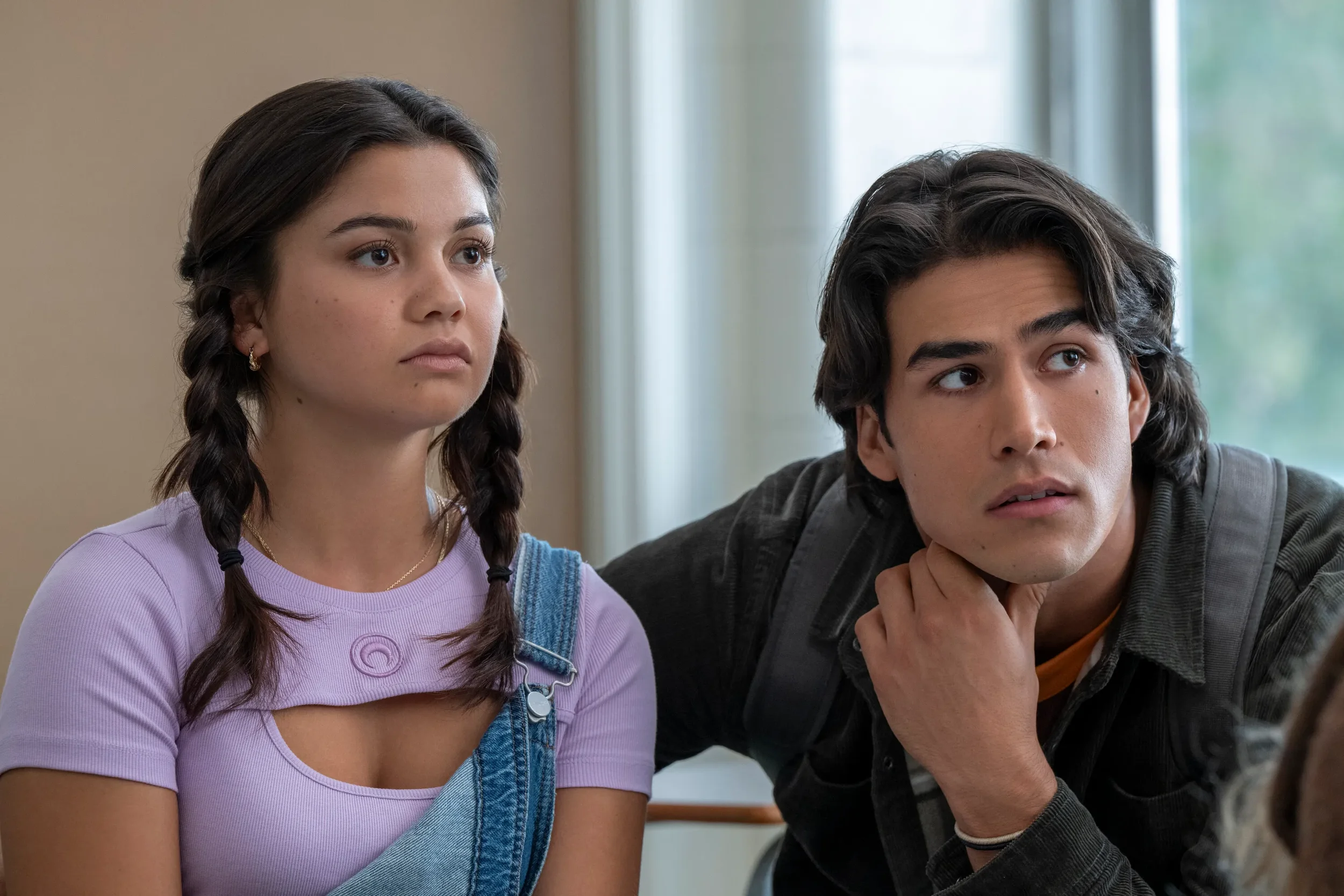
Image Courtesy of Amazon MGM Studios.
Before wrapping up the review, I wanted to touch on the performances. I’ve already acknowledged the fantastic writing, but good writing still needs good performers, and this cast did an amazing job with the material they were given.
Samantha Sloyan was top-tier casting as Margaret, although I already knew she would eat that shit up, pardon my language. Her body language, the way she looks at people, her disgust with the modern world and even her tone were all damn near perfect. Summer H. Howell was also great as Carrie. There were moments when I wanted to jump through the screen and protect her from her disgusting classmates. Watching her innocence slowly get chipped away was genuinely difficult.
Then there was Chris Hargensen. Alison Thornton captured what it means to be an entitled, spoiled brat to a tee. It was wild watching a kid who seemingly had everything still be so ungrateful and angry at the world over the tiniest things. As the series went on, though, her behaviour started to make more sense. That doesn’t excuse anything she does, but I could at least understand where some of it was coming from, you know?
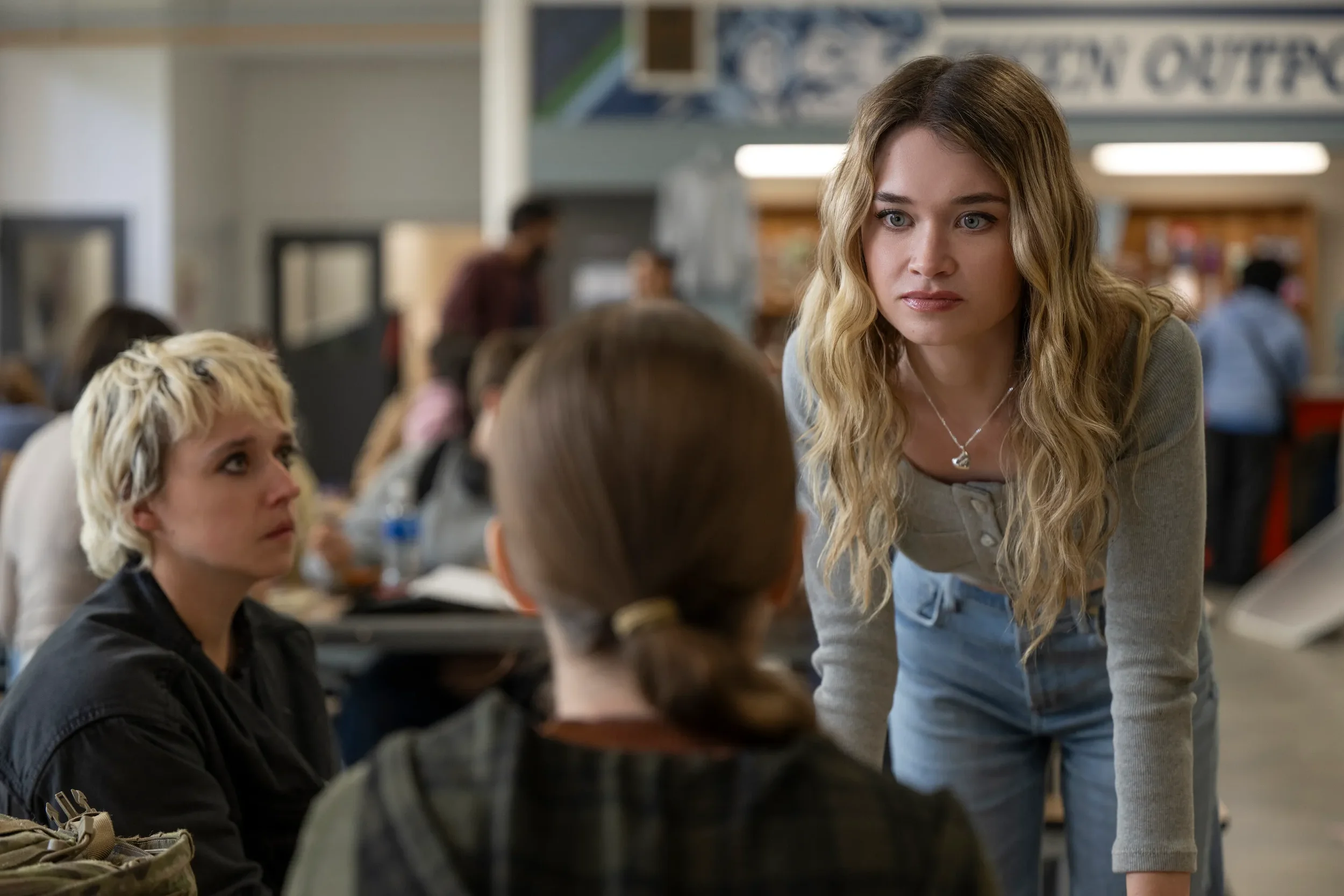
Image Courtesy of Amazon MGM Studios.
One thing I kept coming back to after finishing the series was how much Flanagan roots his horror in people. Even so, Carrie did not always feel like a horror series to me. It felt more like a drama about abuse, isolation and cruelty, with horror woven into it rather than driving the entire experience. That approach worked in some ways, but it also meant that the series did not always deliver the kind of horror I expected.
I was not completely sold on the finale either. I understood why it was structured that way, especially since it appears to be setting up a much wider Stephen King universe with connections to ideas like The Dark Tower and the Shine. Still, I wondered how that choice would land for viewers coming to Carrie with no knowledge of Stephen King’s wider mythology. For longtime fans, those connections may be exciting, but for someone discovering Carrie for the first time, they could feel confusing or even distracting from the story that brought them there.