Day 13: Smile - A Nightmare Hiding Behind Every Grin.
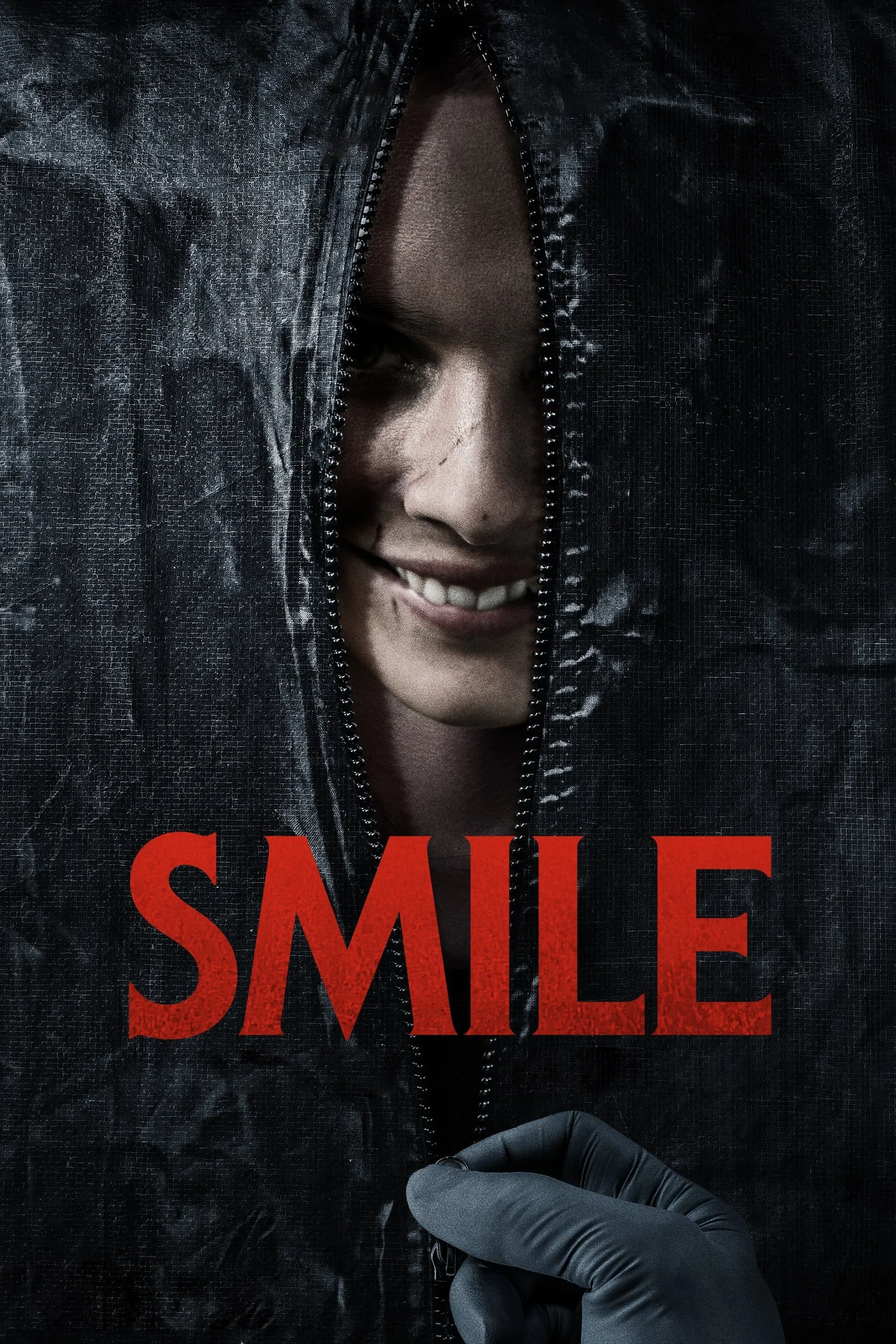
Man, I remember this movie like I watched it yesterday. There is something deeply unsettling about an unprovoked, overly cheerful smile, and Smile, the feature debut of writer-director Parker Finn, takes that uneasiness and cranks it up to a level that lingers with you long after the credits roll. The film began as his short Laura Can’t Sleep before evolving into a full psychological horror centered around therapist Dr. Rose Cotter, who becomes entangled with a mysterious curse that drives its victims to madness. For anyone who has never seen it, the premise is simple enough, but the execution is what makes it special. It carries the haunting atmosphere of films like It Follows, Hereditary, and The Ring, and while it may not be the most original concept ever put to screen, the craft behind the scares is so sharp that the tension becomes almost unbearable in the best way possible.
When Smile first released in 2022, it instantly became a cultural moment. Part of its success came from its commitment to letting the horror speak visually instead of overexplaining what is going on. Every lingering grin, every off-putting stare, and every silence that stretches just a little too long pulls you deeper into Rose’s unraveling mental state. The ending divided audiences at the time, with some finding it too bleak or too strange, but looking back, it fits the story’s themes of trauma and inevitability perfectly. Once everything clicks, you realize the film was building toward that conclusion from the very beginning.
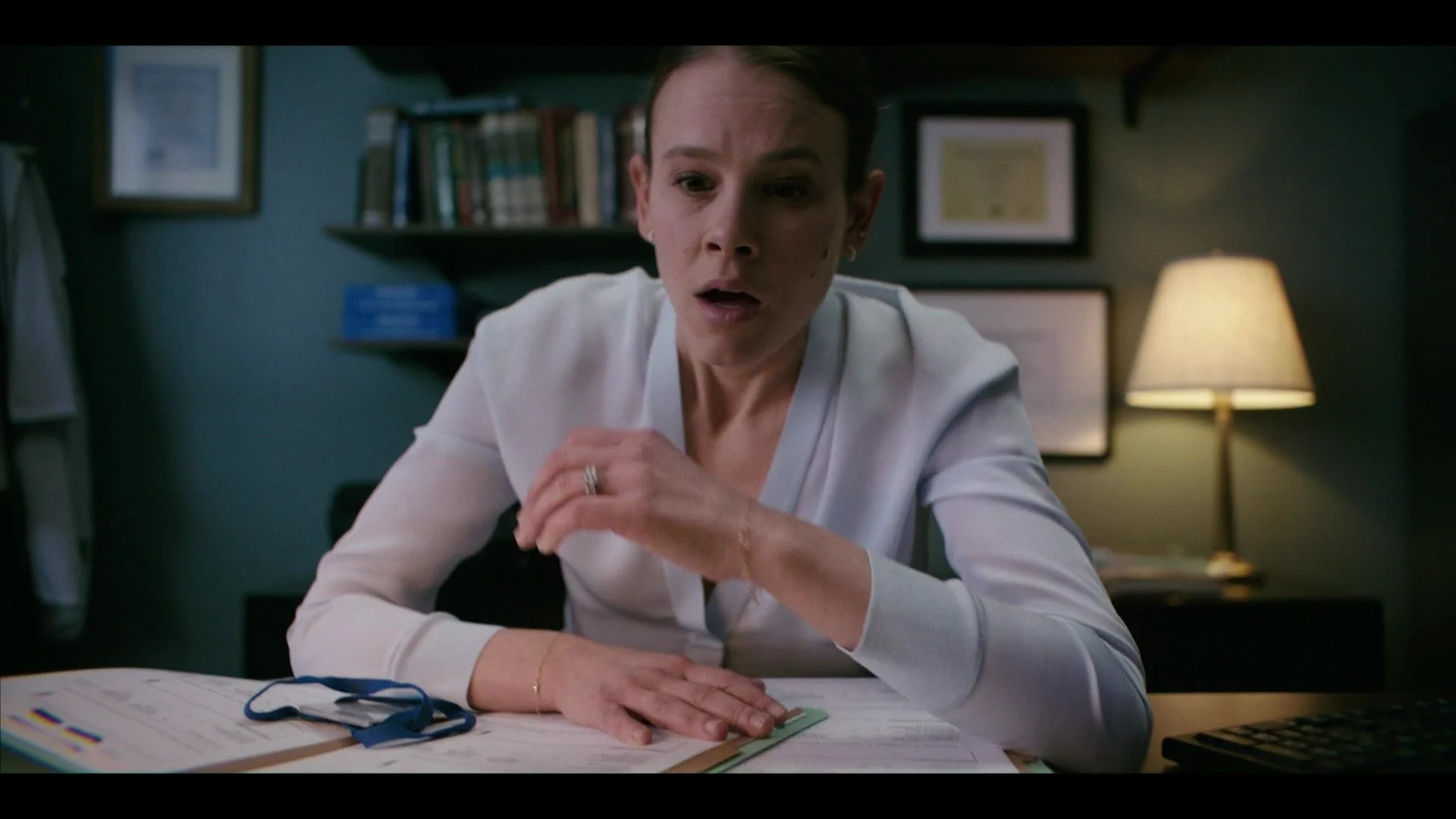
Finn’s messaging about mental health and the stigma surrounding it can feel a bit unclear at times, but that almost becomes irrelevant once the film locks into its true goal. The priority here is fear, and on that front, Smile delivers without hesitation. The sight of characters forcing their faces into those stretched, unnatural grins before meeting their gruesome ends is enough to plant itself firmly in your nightmares. The film even goes as far as involving pets in the chaos, which makes the horror feel even more unpredictable. These moments stick with you because the imagery is so warped and intrusive that you cannot help but think about it long after the movie ends.
What really pushes the terror further is how effective the scares are. They come quickly, but they rarely feel cheap. The tension rises and never takes a break, constantly creating that tight, breathless feeling that great psychological horror thrives on. Cristobal Tapia de Veer’s score deserves special mention because it adds a chilling, almost otherworldly presence to the film. His music lingers in your mind the same way the visuals do, leaving you with that eerie feeling that something is just slightly off around you.
Smile is not subtle, and it is not trying to be. It grabs your attention from the very first scene and holds on with a grip that tightens as the story progresses. It is bold, uncomfortable, visually striking, and fully committed to its unsettling atmosphere. If you enjoy horror that plays with your perception and makes you question what you are seeing, this movie earns its place on your watchlist. Just be prepared to side-eye every cheerful grin you come across afterward, because the film does an excellent job of making even the happiest smile feel like a threat.
In the end, Smile succeeds because it understands exactly what kind of fear gets under your skin and refuses to leave. It may borrow ideas from the greats and its message about trauma is not always sharp, but the execution is so confident that the film stands on its own as one of the more memorable modern horror releases. Between its vicious tension, disturbing imagery, and a lead performance that grounds the chaos, Smile offers a haunting experience that sticks with you long after the credits fade. It is not here to comfort you. It is here to crawl into your mind and stay there.