Disclosure Day Movie Review: Steven Spielberg’s Biggest Misfire.
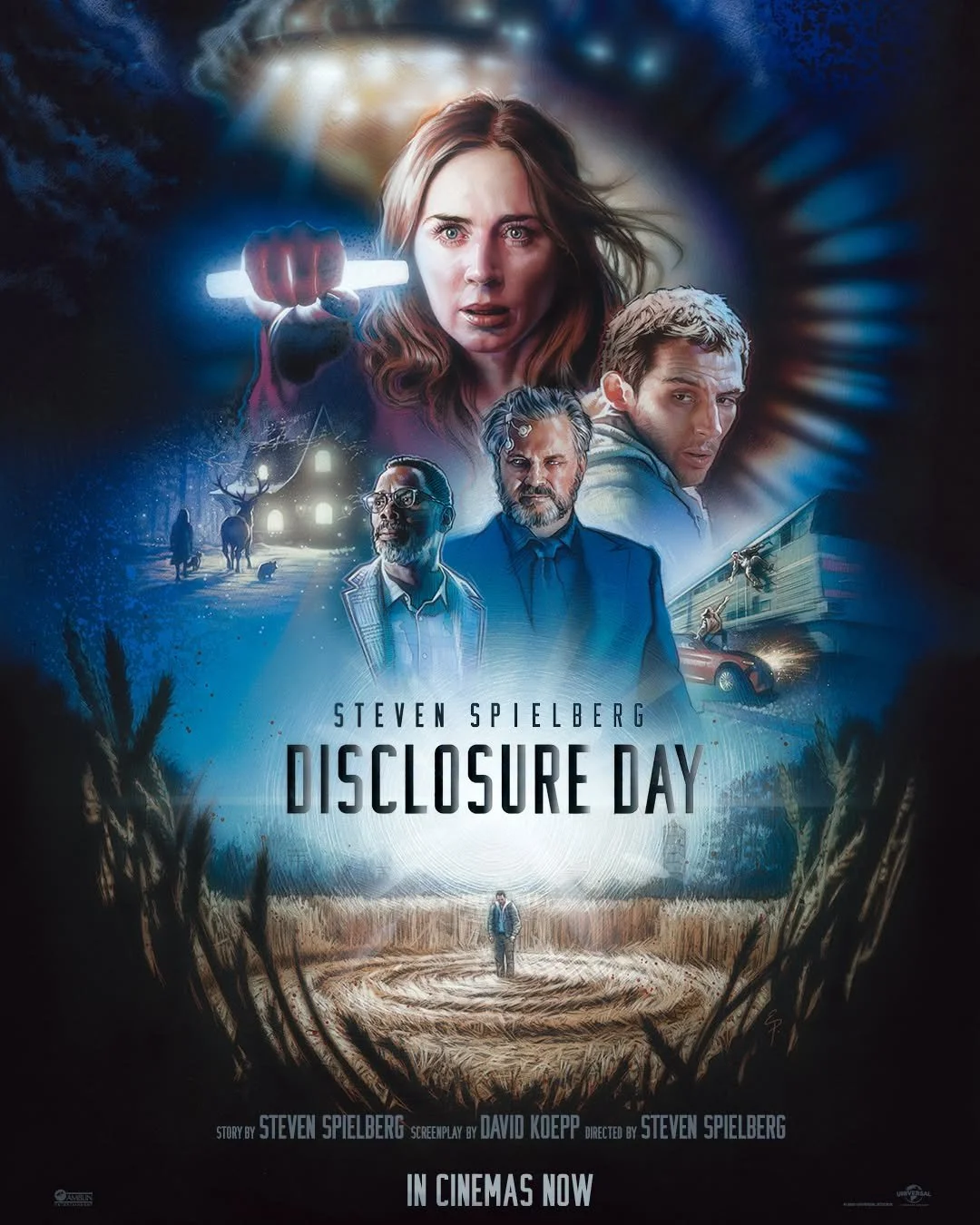
Image Courtesy of Universal Pictures.
When it comes to filmmaking, few names command the same level of respect as Steven Spielberg. From Jaws and Jurassic Park to E.T. the Extra-Terrestrial, his influence on cinema is undeniable. The same can be said for science fiction, a genre Spielberg helped elevate through films like Close Encounters of the Third Kind, A.I. Artificial Intelligence, and War of the Worlds. As a result, any sci-fi film associated with his name arrives with sky-high expectations. Audiences expect wonder, spectacle, and memorable storytelling from a filmmaker who has spent decades setting the standard.
Unfortunately, Disclosure Day is a film that feels completely at odds with the legacy of one of the greatest filmmakers alive today. After reading the overwhelmingly positive reviews from mainstream critics, I spent most of the film wondering if they had watched a completely different movie.
This is Steven Spielberg, a filmmaker who helped define modern science fiction. Expectations aren't just high; they're earned. Yet Disclosure Day squanders nearly all of that goodwill with a story that feels confused, characters that feel disposable, and a level of spectacle that never justifies its ambitions. Not only is it the worst Spielberg film I've ever seen, it may very well be the most disappointing mainstream movie released in 2026 so far.

Image Courtesy of Universal Studios.
Disclosure Day follows Daniel Kellner, played by Josh O'Connor, and Margaret Fairchild, played by Emily Blunt. Set in a world teetering on the brink of World War III, the film revolves around Daniel's efforts to reveal the truth about extraterrestrial life to the public. Having worked for Wardex, a secret arm of the U.S. government, Daniel possesses knowledge that could fundamentally alter humanity's understanding of its place in the universe. Convinced that the public has a right to know the truth, he sets out to expose secrets that powerful figures would rather keep buried.
Now admittedly, this isn't a bad premise in and of itself, but the execution is where Disclosure Day completely falls apart. A story centered around the public disclosure of extraterrestrial life should be fascinating, especially when set against the backdrop of a world on the brink of World War III. Instead, the film treats the revelation of alien life as if it were still the most shocking concept imaginable, despite decades of science fiction exploring the very same idea. Much of Disclosure Day feels strangely dated, not because of its premise, but because of how it approaches it.
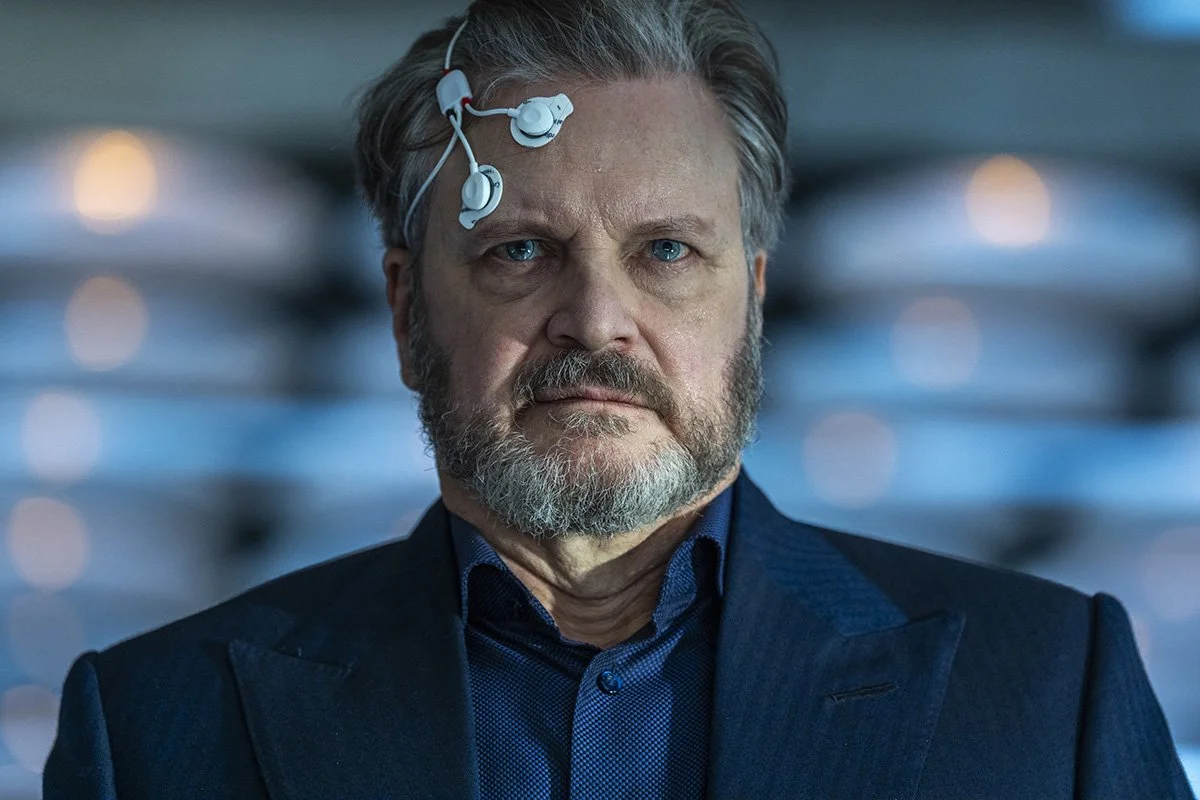
Image Courtesy of Universal Studios.
The deeper problem, however, is the screenplay itself. Characters routinely make decisions that defy logic simply because the plot requires them to. Wardex is presented as a shadowy organization with vast resources and influence, yet its agents spend most of the film behaving like amateurs who have somehow stumbled into their first field assignment. The result is a series of cat-and-mouse chase sequences that quickly become repetitive, often relying on contrived coincidences, questionable decision-making, and an alarming amount of plot armor to keep the story moving.
Then there's the film's central alien artifact, a mysterious device that effectively functions as a magic wand for the screenplay. Whenever the writers encounter a problem they don't know how to solve, the artifact conveniently reveals a new ability, introduces a new rule, or creates a new solution. Rather than building tension, it undermines it, because the audience quickly realizes that the film can simply invent a new power whenever it's backed into a corner.
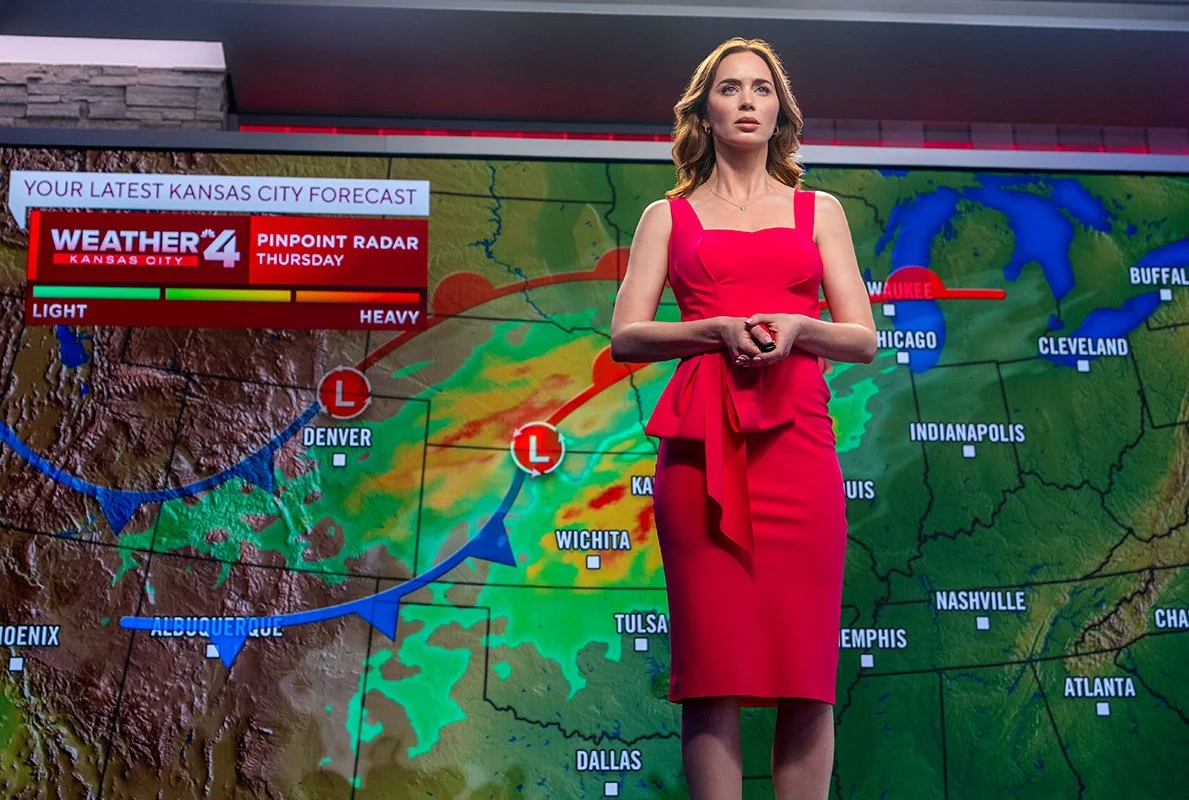
Image Courtesy of Universal Studios.
The film's problems extend beyond its plot mechanics. While the performances are generally serviceable, the characters never feel like fully realized people. It's difficult to become emotionally invested in Daniel, Margaret, or anyone else because the film rarely takes the time to explore who they are beyond their roles in the story.
In many ways, that feels like the central issue with Disclosure Day as a whole. For a film built around extraterrestrial disclosure, it seems strangely uninterested in exploring the implications of its own premise. Questions surrounding faith, government secrecy, humanity's place in the universe, and how society might react to such a revelation are touched upon but rarely examined in any meaningful depth. The film constantly introduces intriguing ideas, only to move on before they can be properly explored.
The same can be said for the visual effects. For a blockbuster science-fiction film, the CGI frequently looks overly artificial, resembling something out of a modern video game rather than a major theatrical release. Emily Blunt delivers a committed performance throughout, but there were several moments where her portrayal felt overly exaggerated and unintentionally goofy, often undermining scenes that were clearly meant to carry emotional weight.
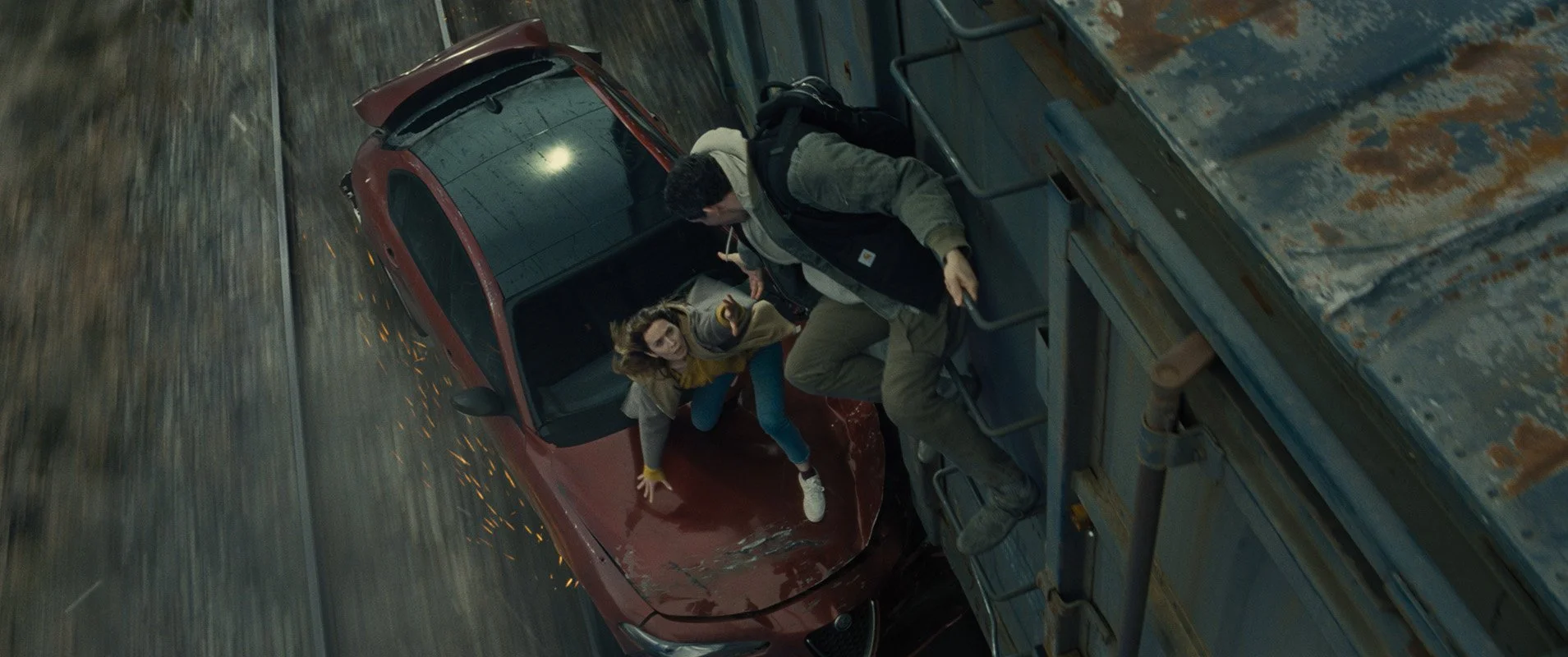
Image Courtesy of Universal Studios.
Ultimately, Disclosure Day is a frustrating film because the potential is clearly there. The premise is intriguing, the themes are relevant, and Steven Spielberg has built a career exploring humanity's relationship with the unknown. Unfortunately, the film never capitalizes on those strengths. Between its shallow exploration of fascinating ideas, weak character development, and questionable storytelling decisions, Disclosure Day falls well short of the standard one would expect from Spielberg.
I can't recommend spending money to see this in theaters. If you're curious, I'd suggest waiting for it to arrive on streaming. As it stands, Disclosure Day is not only the weakest Spielberg film I've seen, but also one of the most disappointing mainstream releases of 2026 so far.