Euphoria Season 3 Review: A Hollow End to a Once Great Series.

Image Courtesy of Warner Bros Discovery.
Euphoria has been one of the most popular and polarizing television shows of the past decade. From the moment it premiered, audiences were divided. Some praised its raw depiction of addiction, mental health, and the struggles of modern youth, while others criticized its heavy focus on sex, drugs, and self-destruction. Despite being a show about teenagers, Euphoria rarely shied away from its most uncomfortable subjects.
That debate only intensified after creator Sam Levinson went on to make The Idol, another series criticized for its fixation on excess and controversy. Whether you see Levinson as a bold storyteller or someone who occasionally indulges too much in the chaos he portrays, there's no denying that Euphoria has always sparked conversation.
With that in mind, Season 3 arrived carrying enormous expectations and more than a little skepticism.
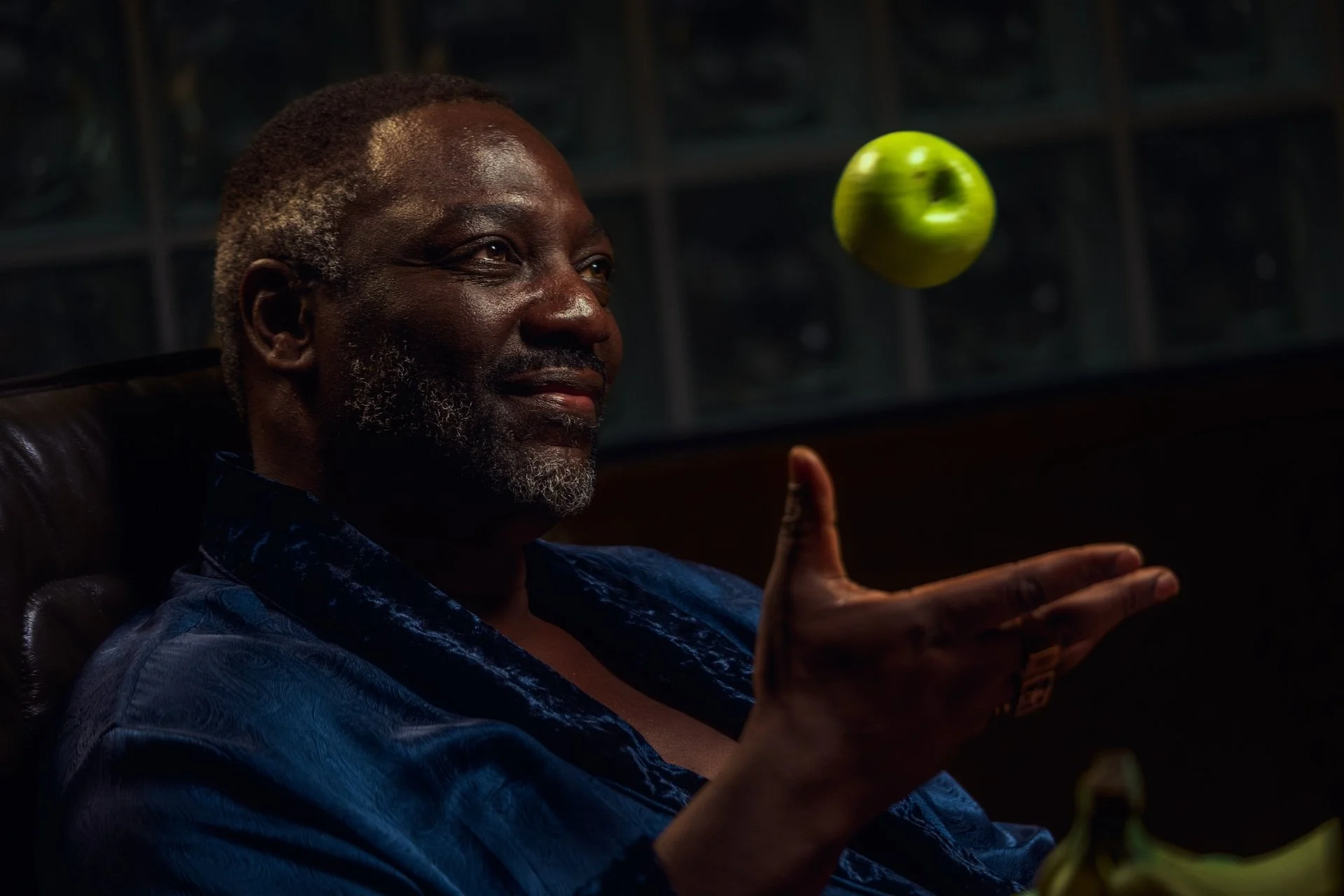
Image Courtesy of Warner Bros Discovery.
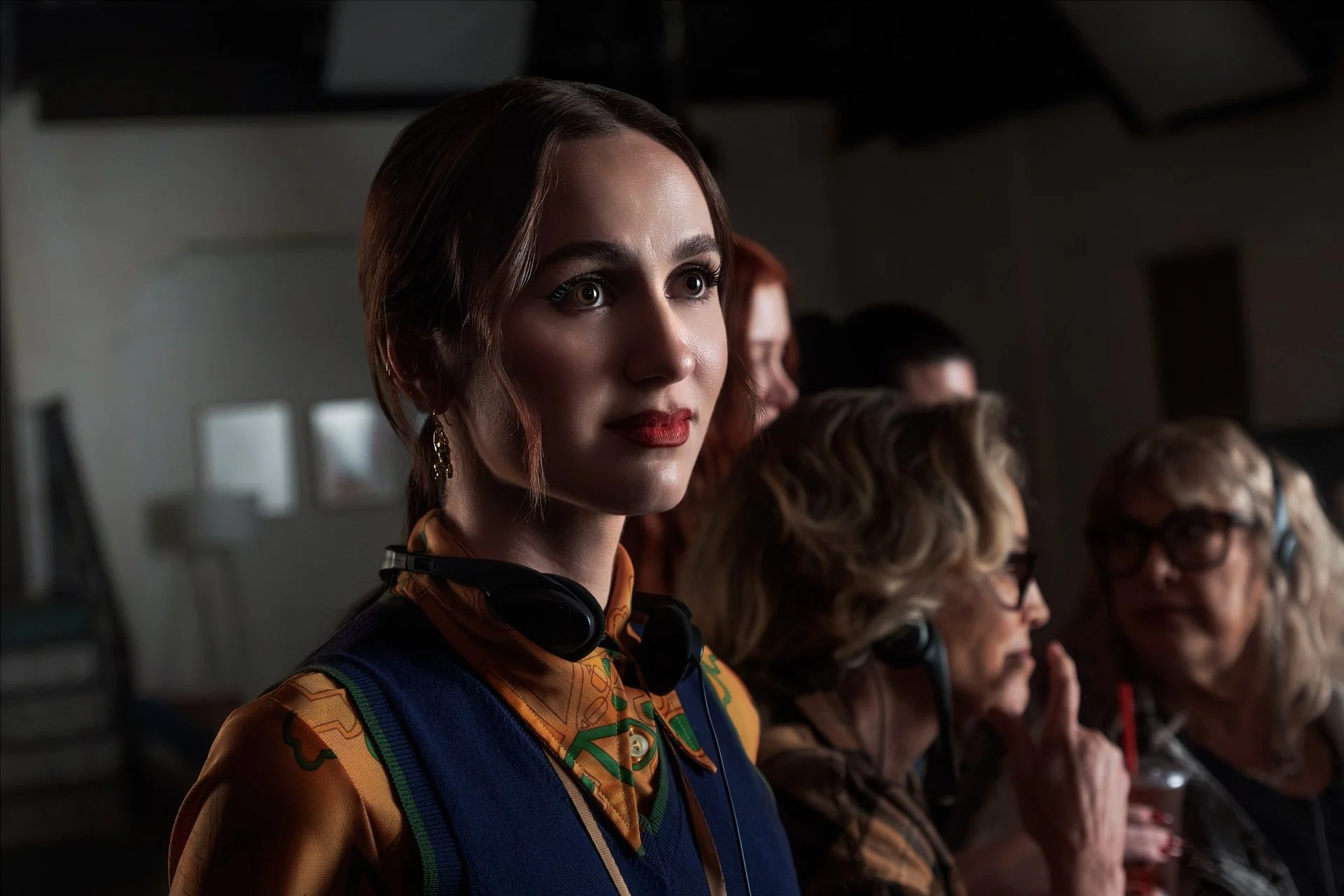
After a wait of more than four years, expectations for Euphoria Season 3 were understandably sky-high. Fans had spent years speculating about where these characters would end up and what a final season could have to say. While I may not be the show's target audience, this season simply didn't work for me.
The story picks up after a five-year time skip, with the characters now navigating adulthood and dealing with the consequences of the choices they made in their youth. On paper, it's a premise filled with potential. It allows the series to move beyond the high school drama that defined its earlier seasons and explore how these deeply flawed individuals have changed over time.
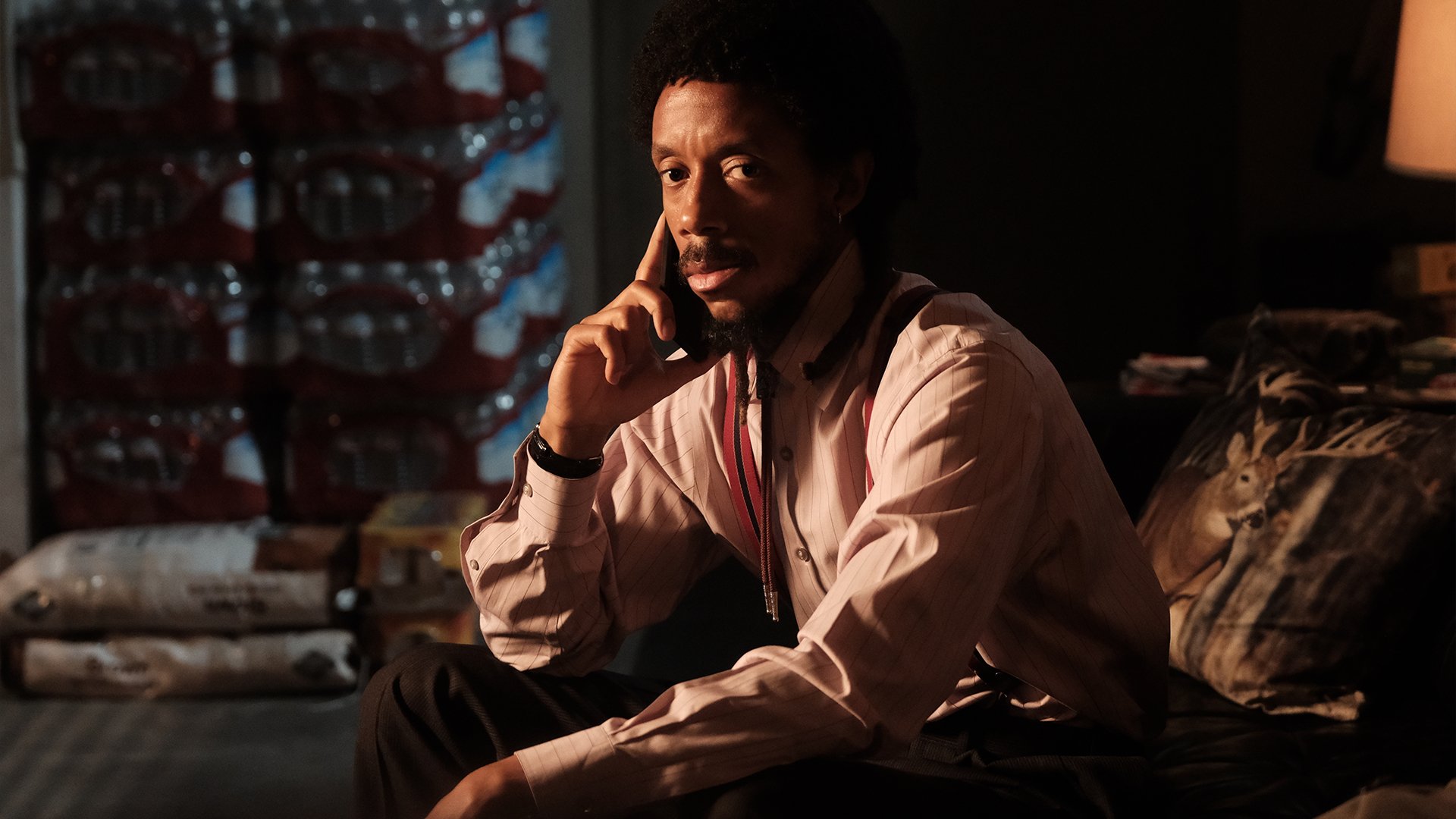
Unfortunately, for a show that has always flirted with the ridiculous, this final season pushes things far beyond the breaking point. It often feels as though Sam Levinson looked at all the discourse surrounding the first two seasons and decided to amplify every controversial element rather than meaningfully develop the characters. Instead of earning its biggest moments through strong storytelling, the season frequently feels engineered to provoke reactions and spark online conversation, whether those moments feel authentic to the characters or not.
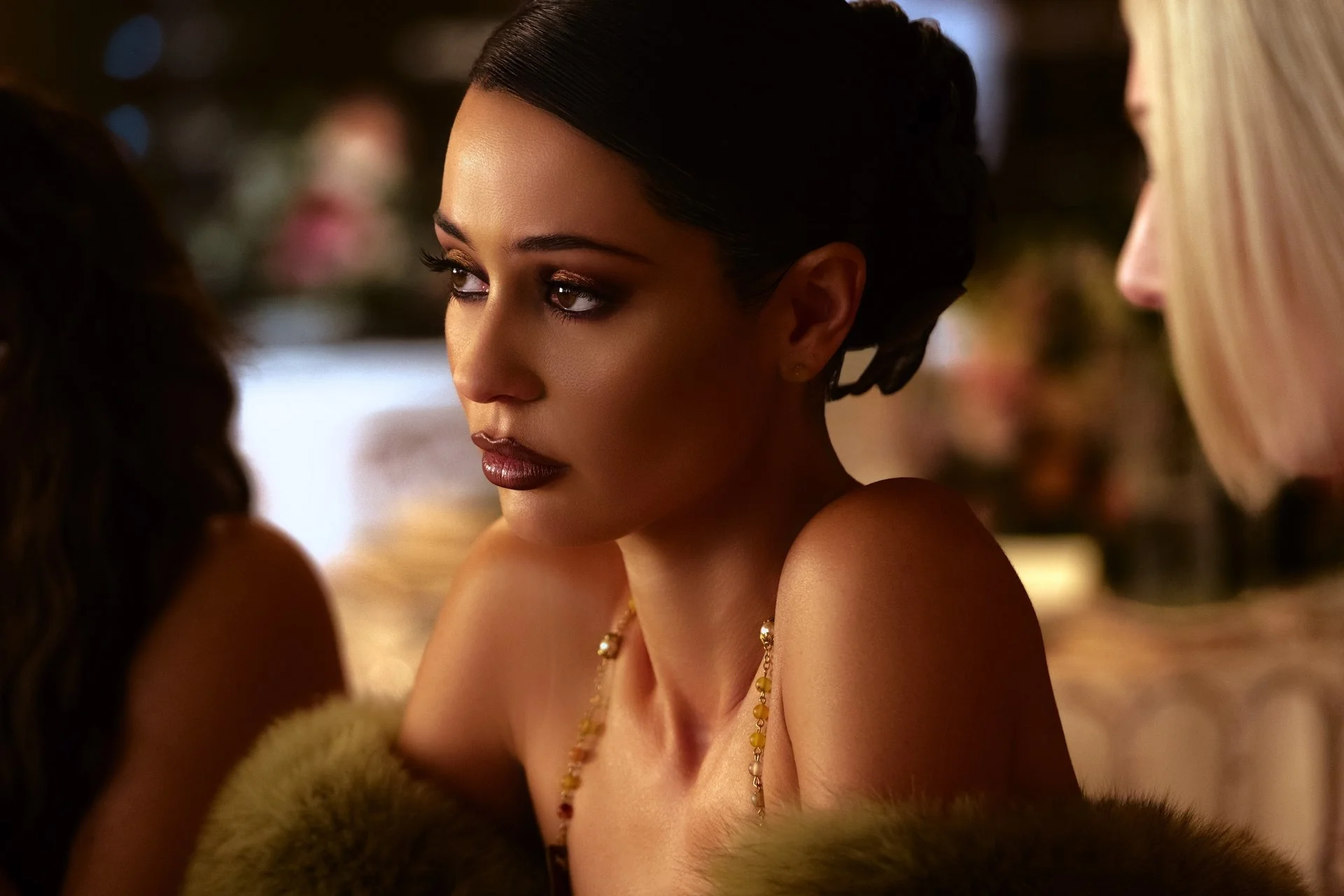
Image Courtesy of Warner Bros Discovery.
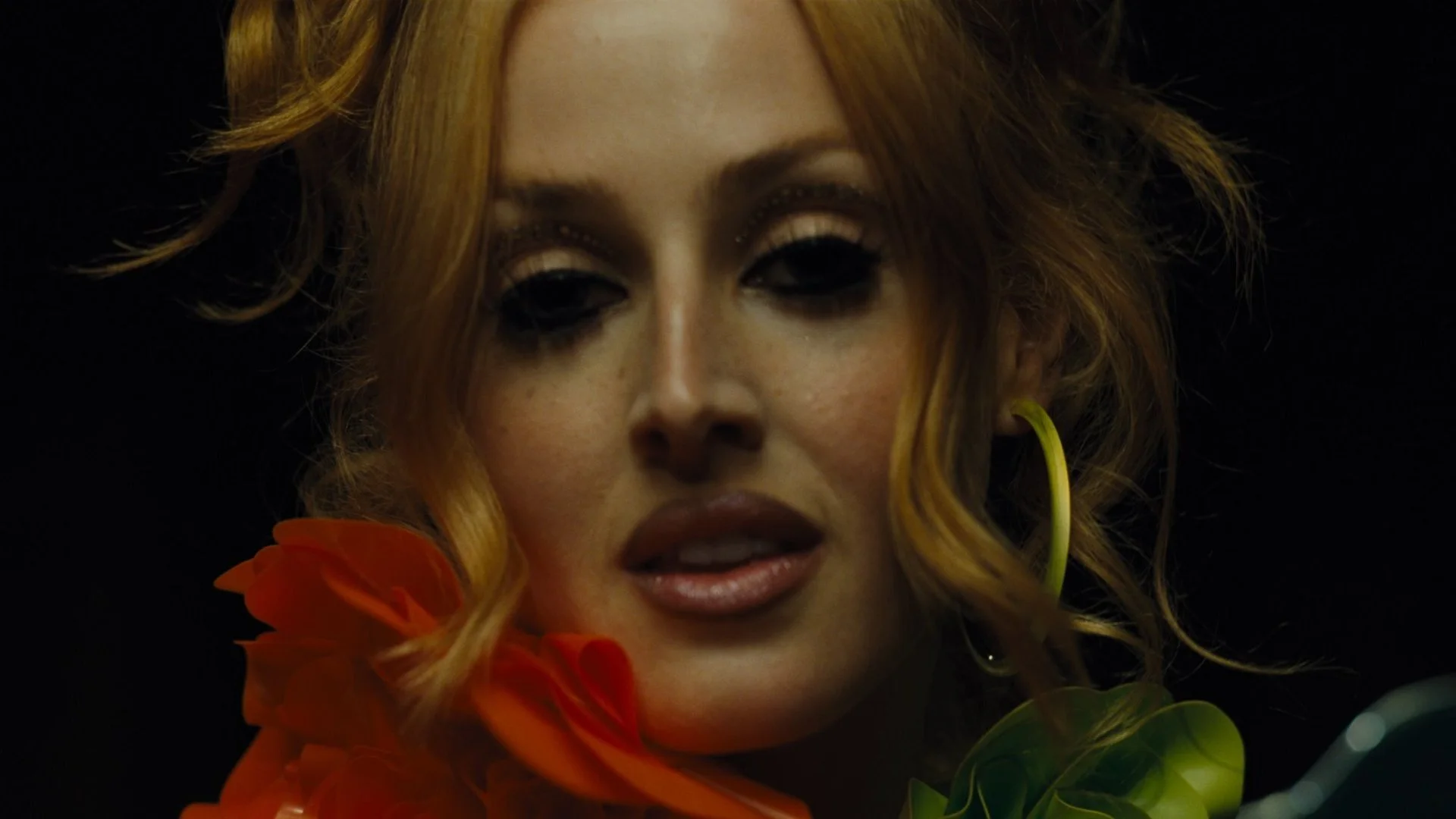
That issue is perhaps most evident in the way the season handles its core cast. Take Cassie, for example. As outrageous as some of her actions became in the earlier seasons, there was always something recognizable and deeply human at the center of her character. She was a young woman desperately searching for love, validation, and acceptance in a world that often taught her that her worth was tied to how desirable she was to others. Her flaws were frustrating at times, but they were also understandable.
Season 3 abandons much of that complexity. Rather than examining why Cassie continues to seek validation through the attention of others, the show seems more interested in turning her into a spectacle. Her storyline frequently feels less like an exploration of her insecurities and more like a prolonged exercise in humiliation. Time and time again, Cassie is placed in increasingly degrading situations that appear designed to provoke a reaction from the audience rather than offer meaningful insight into her character.
What makes this especially frustrating is that there is a genuinely interesting story buried beneath all of this. A woman who has spent her entire life measuring her worth through the eyes of others is fertile ground for character exploration. Instead, the series largely reduces her to a collection of shocking images and controversial moments. By the time the season ended, I felt like I understood Cassie less than I did when she was a teenager.

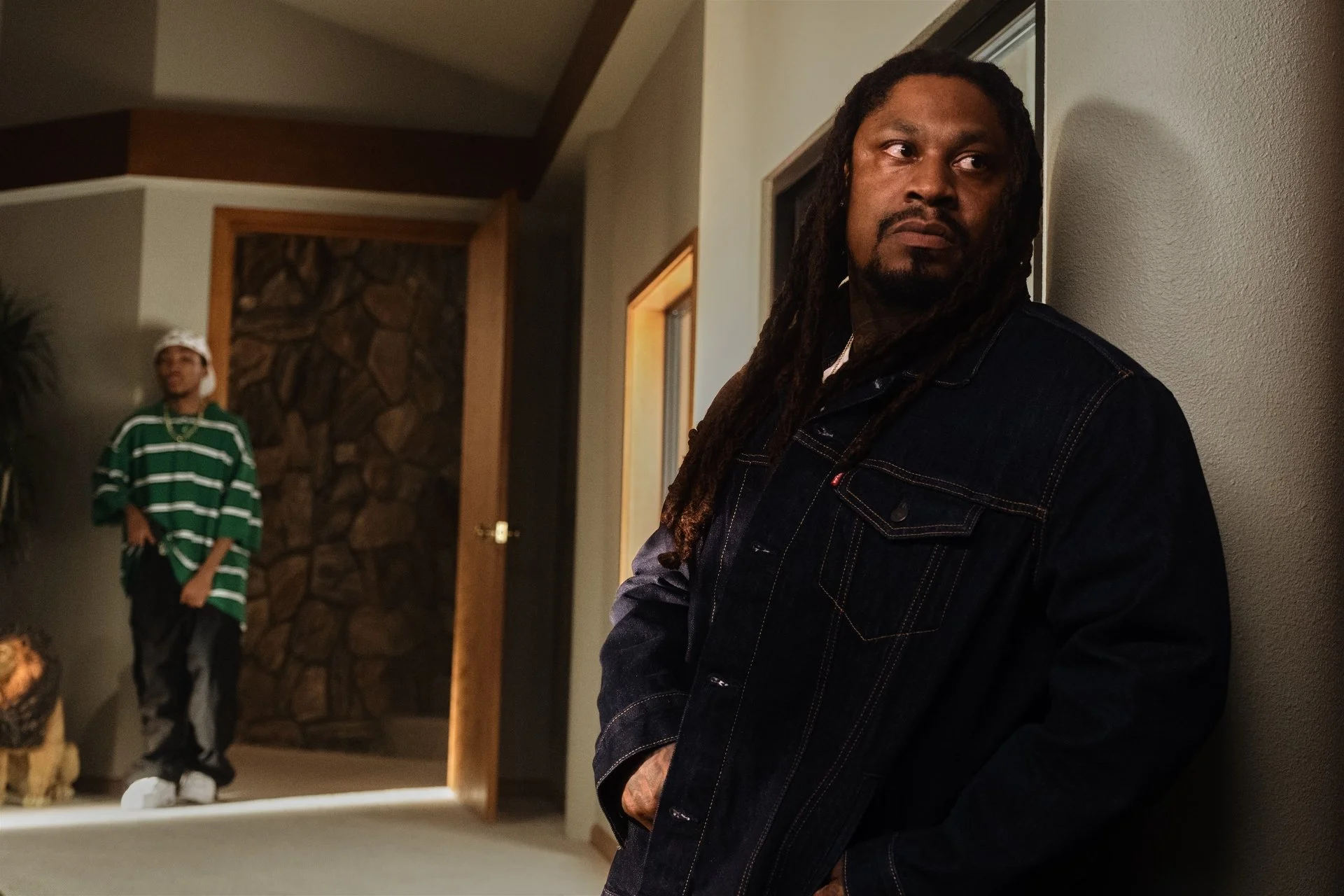
The same problem extends to Rue and Jules. Rue's battle with addiction was once portrayed with a level of honesty that made her easy to empathize with, while Jules struggled with identity, love, and self-worth in ways that felt deeply personal. Season 3 largely trades that nuance for misery. Rather than evolving as people, these characters often feel trapped inside the bleakest possible versions of their futures, as though the show is more interested in punishing them than understanding them.

Image Courtesy of Warner Bros Discovery.
Unfortunately, those issues aren't limited to Cassie, Rue, and Jules. Nearly every major character suffers from the same lack of nuance, none more so than Nate Jacobs. For two seasons, Nate was one of television's most toxic and complicated characters, a walking contradiction shaped by insecurity, trauma, and a desperate need for control. Season 3, however, seems strangely unsure of what to do with him. His arc feels less like a natural progression and more like an attempt to force growth onto a character whose previous actions make that growth difficult to believe.
Jacob Elordi does what he can with the material, but there were several moments throughout the season where it felt as though both he and parts of the cast were simply fulfilling an obligation rather than bringing these characters to life with the same energy that once made Euphoria must-watch television.
After a four-year wait, that's perhaps the most disappointing thing about Season 3. This should have been a triumphant sendoff for one of HBO's biggest shows. Instead, it feels like a season that mistakes shock value for depth and misery for meaningful storytelling. The finale is admittedly stronger than much of what comes before it, but that's faint praise when the season as a whole feels so directionless. Between the inconsistent character work, muddled themes, and Sam Levinson's continued fascination with excess and self-destruction, Euphoria ends not with a bang but with a shrug. For a series that once sparked endless conversations about its characters and themes, this final season left me wondering whether it needed to come back at all.
Euphoria Season 3 Quiz
1. How many years pass between Season 2 and Season 3?
2. Was the four-year wait worth it?
3. Which character’s Season 3 storyline frustrated you the most?
4. True or false: Season 3 feels more interested in shock value than character growth.
5. Did Nate’s Season 3 arc work for you?
6. Which character deserved more screen time?
7. Which season is your favorite?
8. Final verdict: Did Euphoria stick the landing?