Forgotten Island Movie Review: A Beautifully Animated Story About Friendship and Change
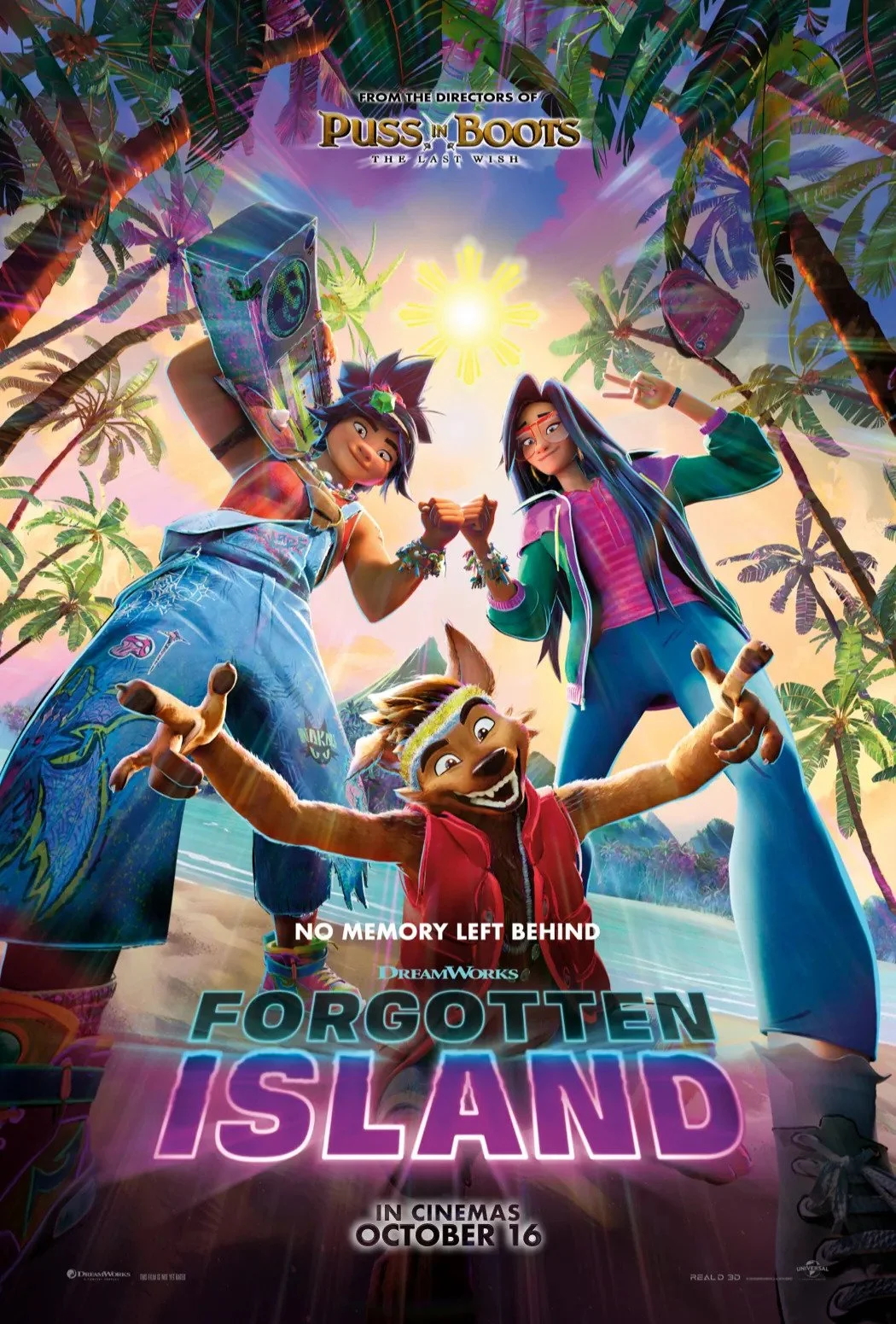
Image Courtesy of Dreamworks.
DreamWorks’ latest animated film, Forbidden Island, was a genuine surprise. I hadn’t watched a single trailer or even read the synopsis, although I have to admit that the film’s marketing campaign didn’t do much to draw me in. Still, I won’t waste any time getting to the point: this movie was pretty damn good. The film was made by the same team behind Puss in Boots: The Last Wish, which goes a long way toward explaining its incredible quality.
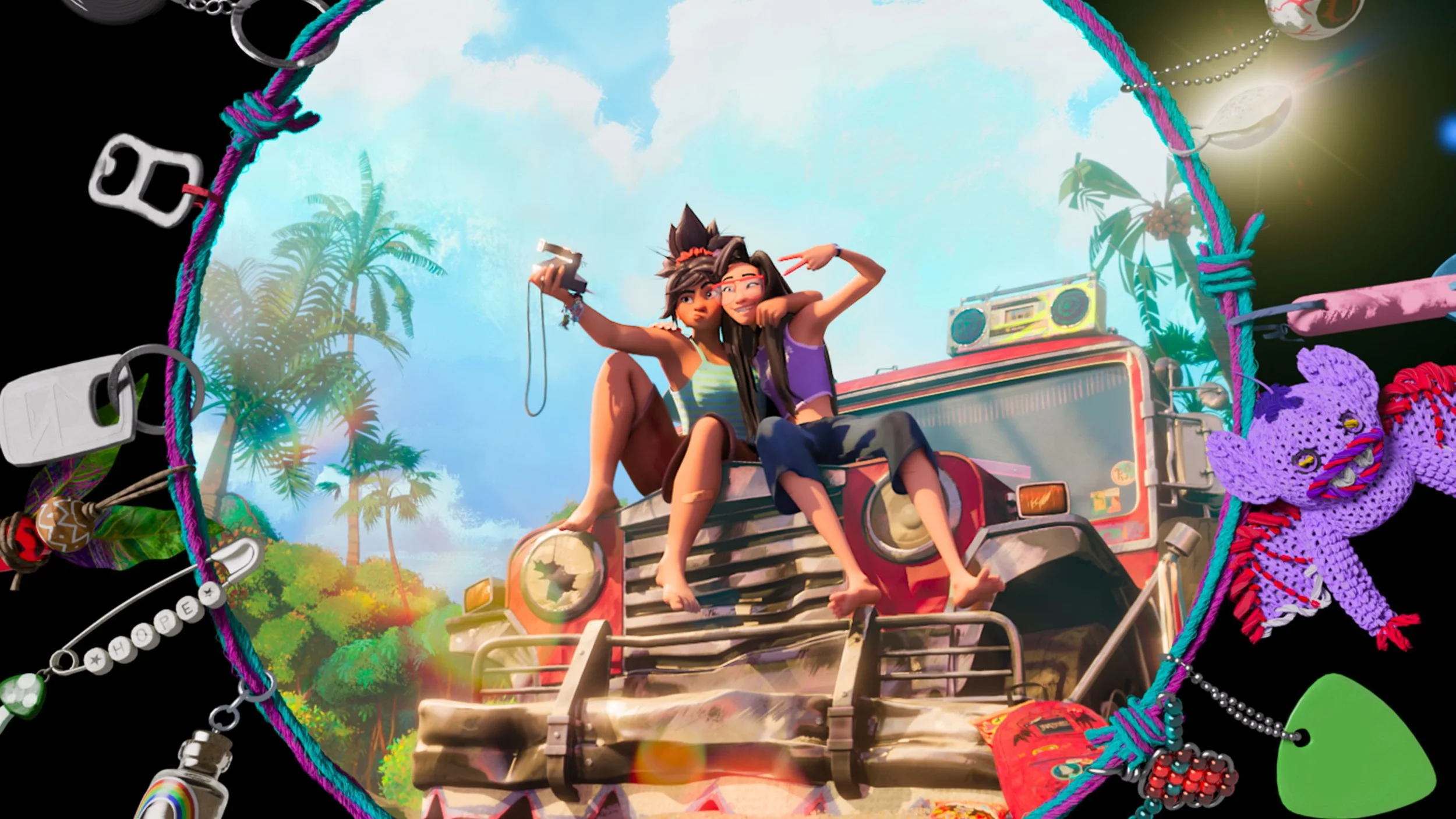
Forgotten Island follows two girls, Josephine “Jo” Yuson and Raissa Molina. Without getting into heavy spoilers, both are wonderfully eccentric characters, and the story follows them from childhood through their teenage years and up to the point when they are preparing to leave for college.
Jo lives with her grandmother, Lola Fatima, who teaches her about the mysterious island of Nakali and the terrifying Manananggal. After Jo’s story about the island is mocked by a classmate, Raissa defends her, leading the two girls to form a close friendship. Their bond becomes the emotional centre of the film as their childhood adventures eventually lead them into the magical world Jo’s grandmother once told them about.
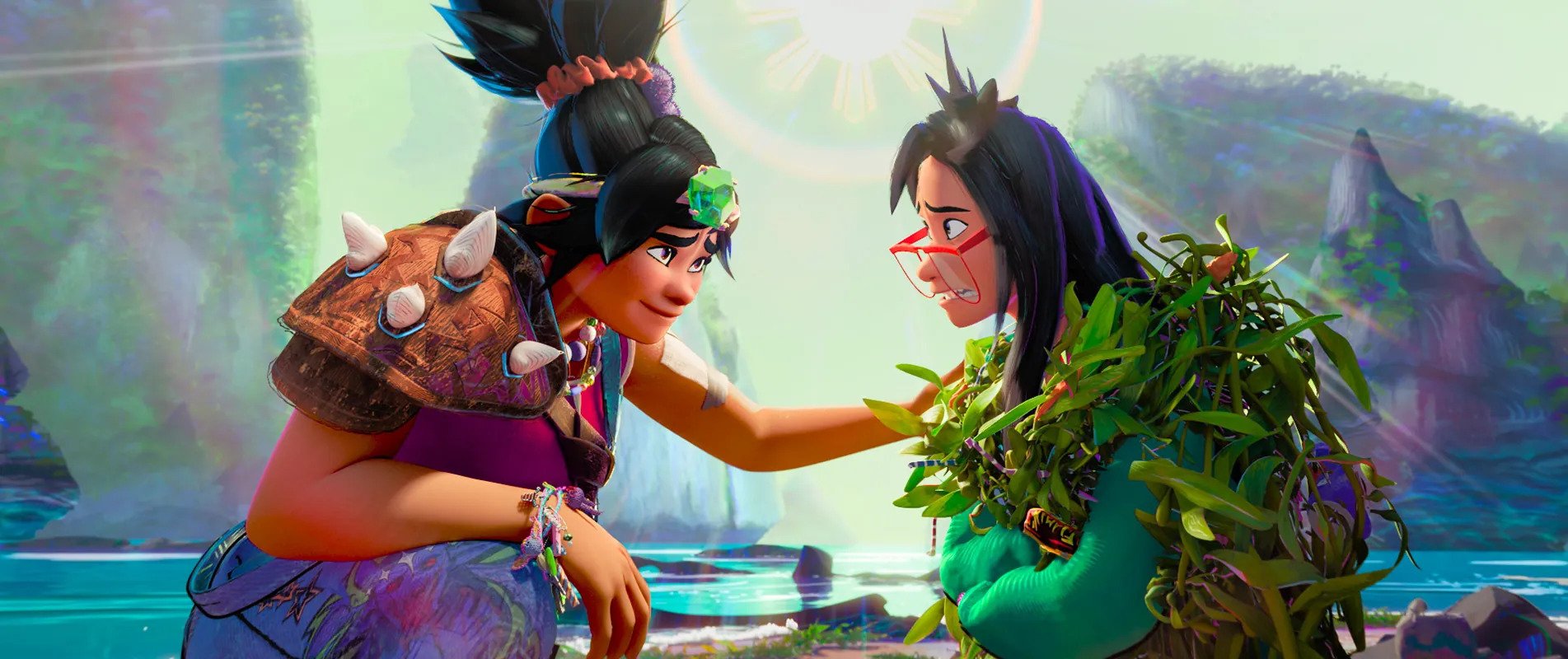
Image Courtesy of Dreamworks.
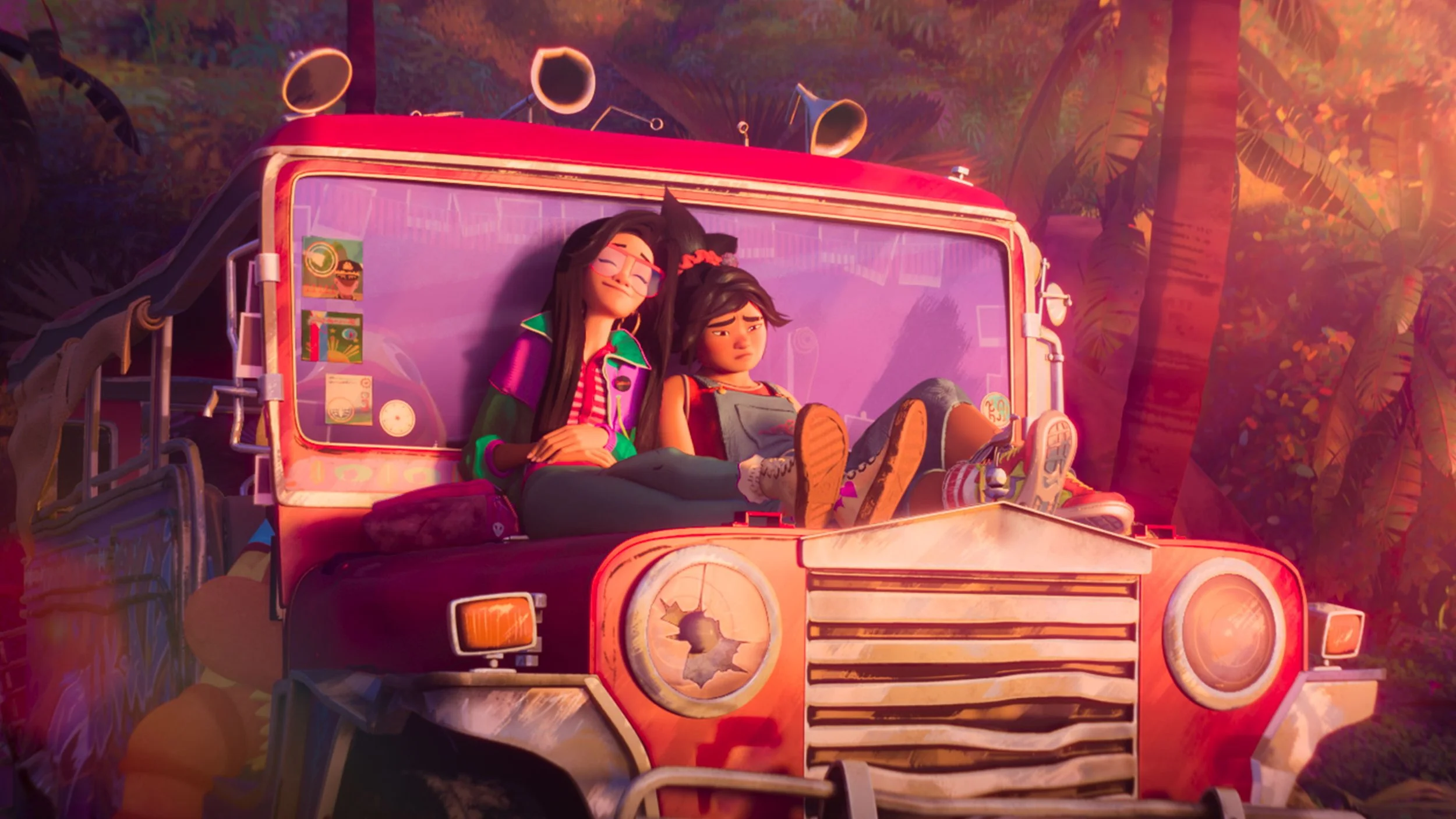
The movie works so well because of several factors, but I’ll start with the character dynamics. Watching Jo and Raissa’s friendship develop into such a strong connection is genuinely heartwarming. Most of us had groups of friends growing up, but having a best friend is something else entirely. Seeing Jo and Raissa make memories together and support each other through different stages of their lives allows the audience to feel invested in their relationship. As a result, when things begin to fall apart, you genuinely care about what happens to them.
Jo is headstrong, and some might even argue that she is selfish, but in her mind, she is only doing what she believes is best for herself and Raissa. Her fear of losing their friendship makes her resistant to change, causing her to overlook Raissa’s feelings and ambitions. It is a flawed way of coping, but one that feels emotionally understandable, which makes Jo’s mistakes easier to empathise with, even when they hurt the people around her.
Her behaviour becomes more understandable once you recognise how much of her identity is tied to the people and memories she is afraid of losing. Raissa is not just her best friend; she represents a sense of belonging that Jo has struggled to find elsewhere. That makes Jo’s fear of change feel less like simple selfishness and more like a desperate attempt to preserve the one constant in her life. Forgotten Island uses that fear to explore how memories can comfort us, shape us, and, when held onto too tightly, prevent us from moving forward.
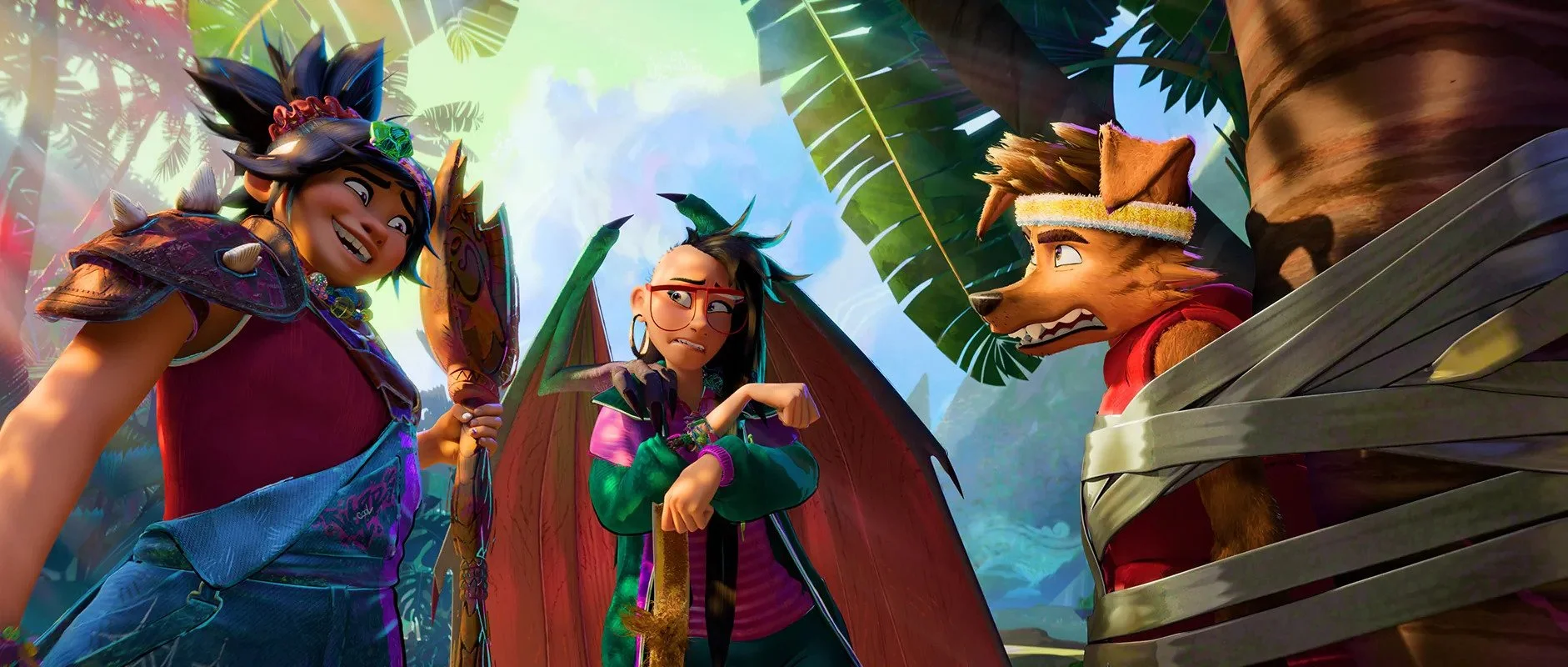
Image Courtesy of Dreamworks.
The supporting cast is just as memorable, with each character bringing a distinct personality to the story. The voice performances are often intense and funny, matching the film’s expressive animation style and giving the characters plenty of energy. Their chemistry also creates some genuinely entertaining moments, especially when their personalities clash. I don’t want to say too much about the other characters because they’re best experienced for yourself in the theatre. Next, I wanna get into the animation style and how it shapes these performances below.
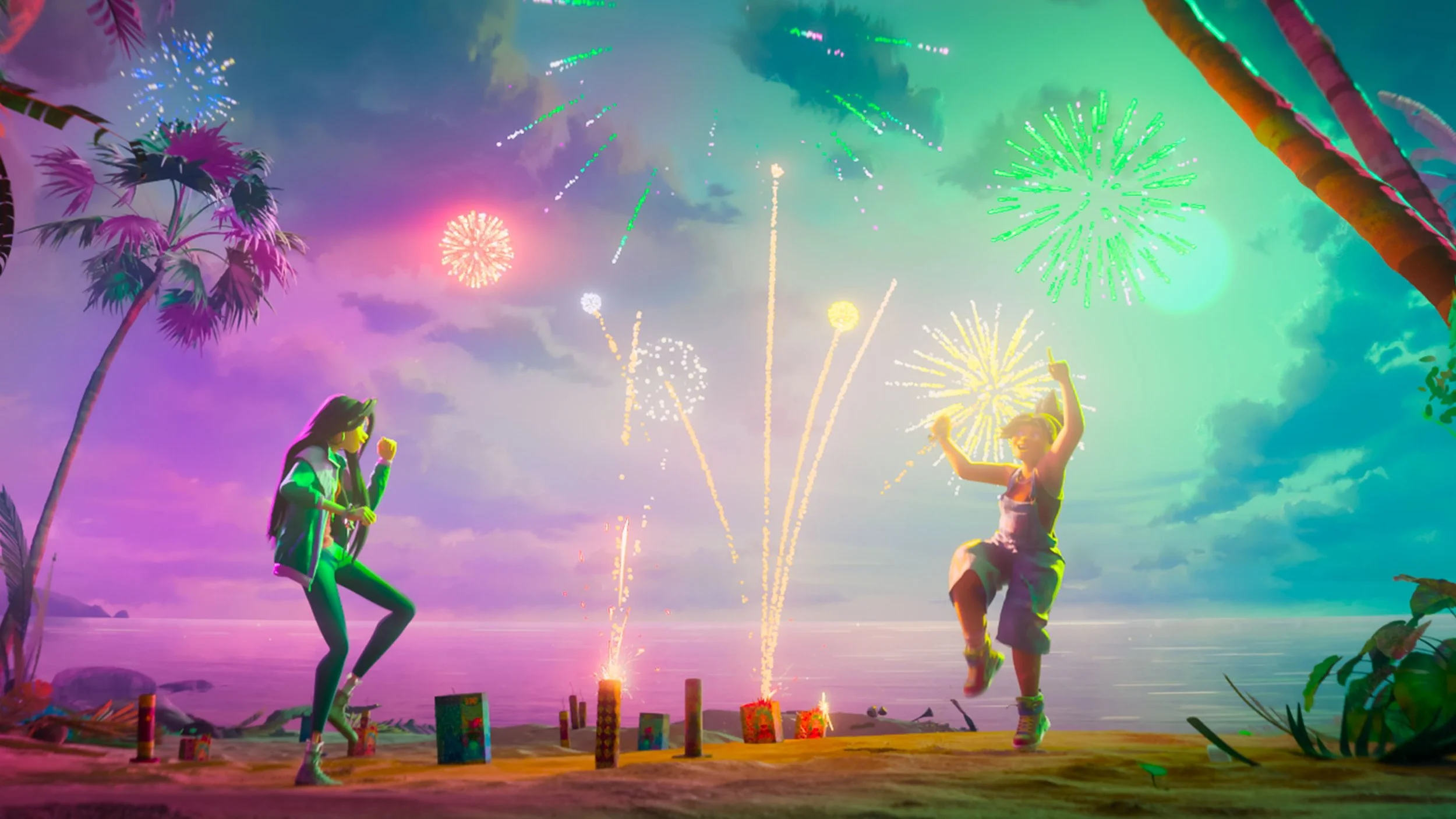
The film also reflects the lasting impact of Spider-Man: Into the Spider-Verse, which I believe changed the way animated films are made and presented. A decade ago, Forgotten Island might have been animated in the more traditional style associated with films like Shrek or Toy Story. That is not a criticism of those movies, but there seems to be a greater sense of creative freedom given to animators today. Forgotten Island is bursting with style and individuality, creating a visual identity that feels completely its own. I don’t think we’ll see another animated film quite like it for a long time.
The animation gives the film its distinct identity, but the humour is what keeps Forgotten Island so easy to enjoy. The jokes feel rooted in the characters rather than forced into the story, and the film knows when to let a funny moment breathe before returning to something more emotional. That balance helps it appeal to younger viewers without talking down to them, while still giving older audiences plenty to enjoy.
Ultimately, Forgotten Island is a heartfelt and visually striking animated film that has far more on its mind than its vibrant style initially suggests. Its story about friendship, change, and the memories that shape us gives the adventure a strong emotional foundation, while the expressive animation, energetic performances, and well-timed humour make it consistently enjoyable. The film came remarkably close to perfection for me, combining creativity, emotional sincerity, and genuine entertainment in a way that is difficult not to admire.
If you’re planning to see something with the family this weekend, Forgotten Island is an easy recommendation. It is imaginative, funny and emotionally sincere, with enough visual creativity to make it stand out from the usual animated fare.