Hamnet Movie Review: Love, Loss, and the Child Who Lived On.
As big as the discourse around this movie has been, especially in critic spaces, I cannot lie and say that this was a film I was eagerly waiting for. I did not even know it existed until about two weeks ago, when I started seeing these beautiful edits on TikTok, all set to “On the Nature of Daylight” by Max Richter. That piece of music is so stunning that it hooked me immediately, and if the movie was even half as emotional as those clips suggested, I felt like I needed to experience it for myself.
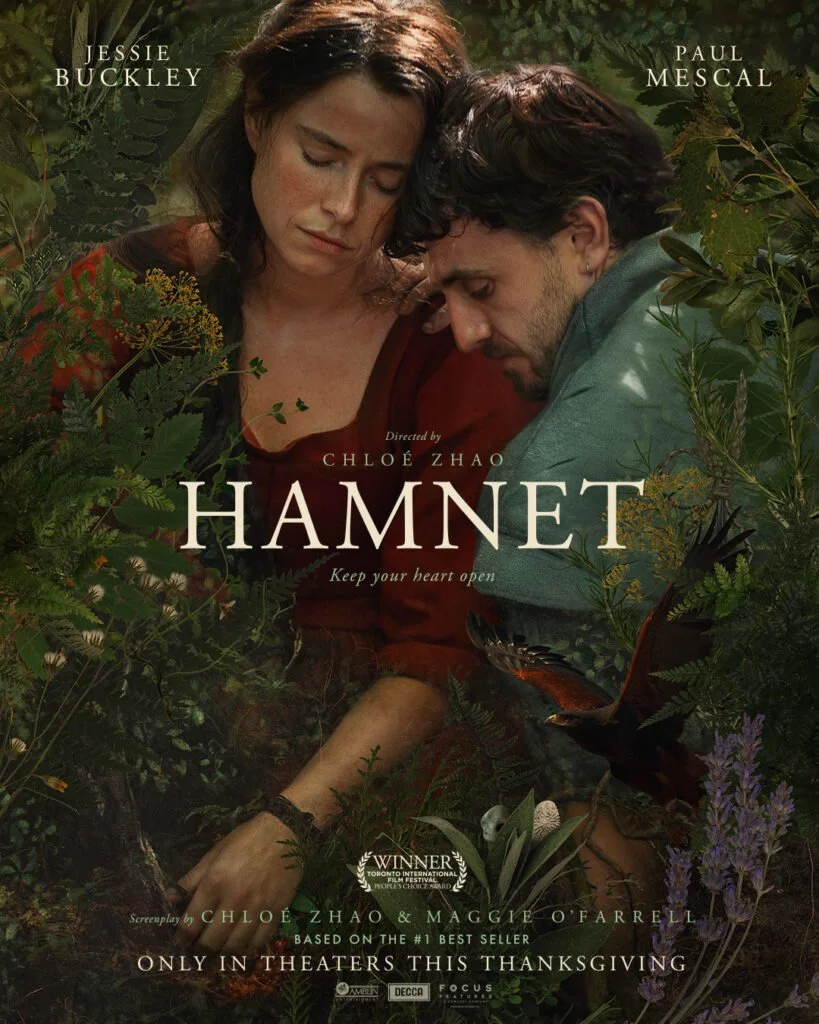
Directed by Chloé Zhao and based on the best-selling novel by Maggie O’Farrell, Hamnet tells a fictionalized story of William Shakespeare and Anne Hathaway’s son, Hamnet, who tragically died in 1596. I have never read the book, so this review comes purely from the perspective of someone meeting the story for the first time through film. What follows is an honest reaction to how the movie felt, where it connected, and where it challenged me, especially as someone trying to navigate its language and emotional weight in real time.
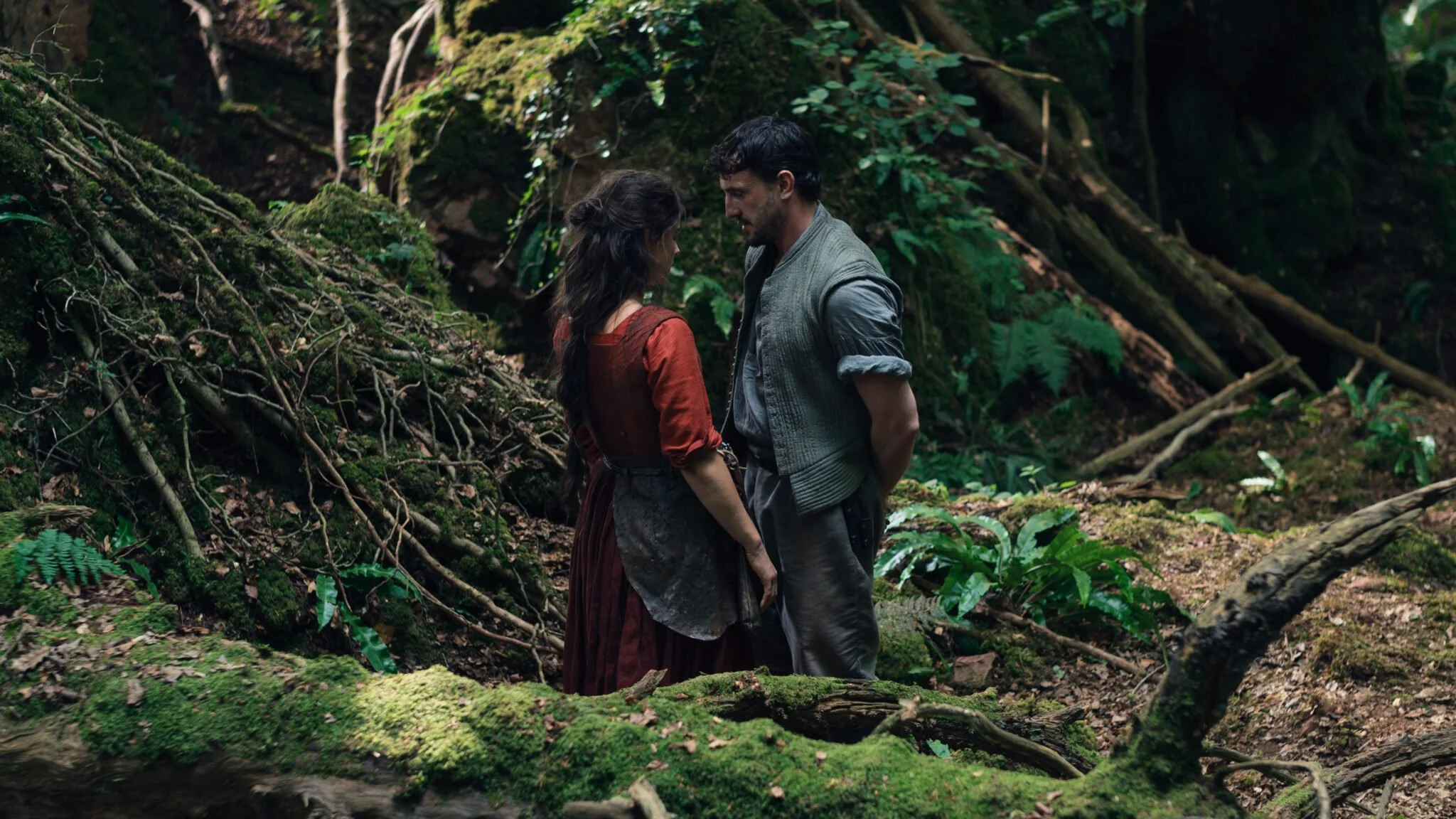
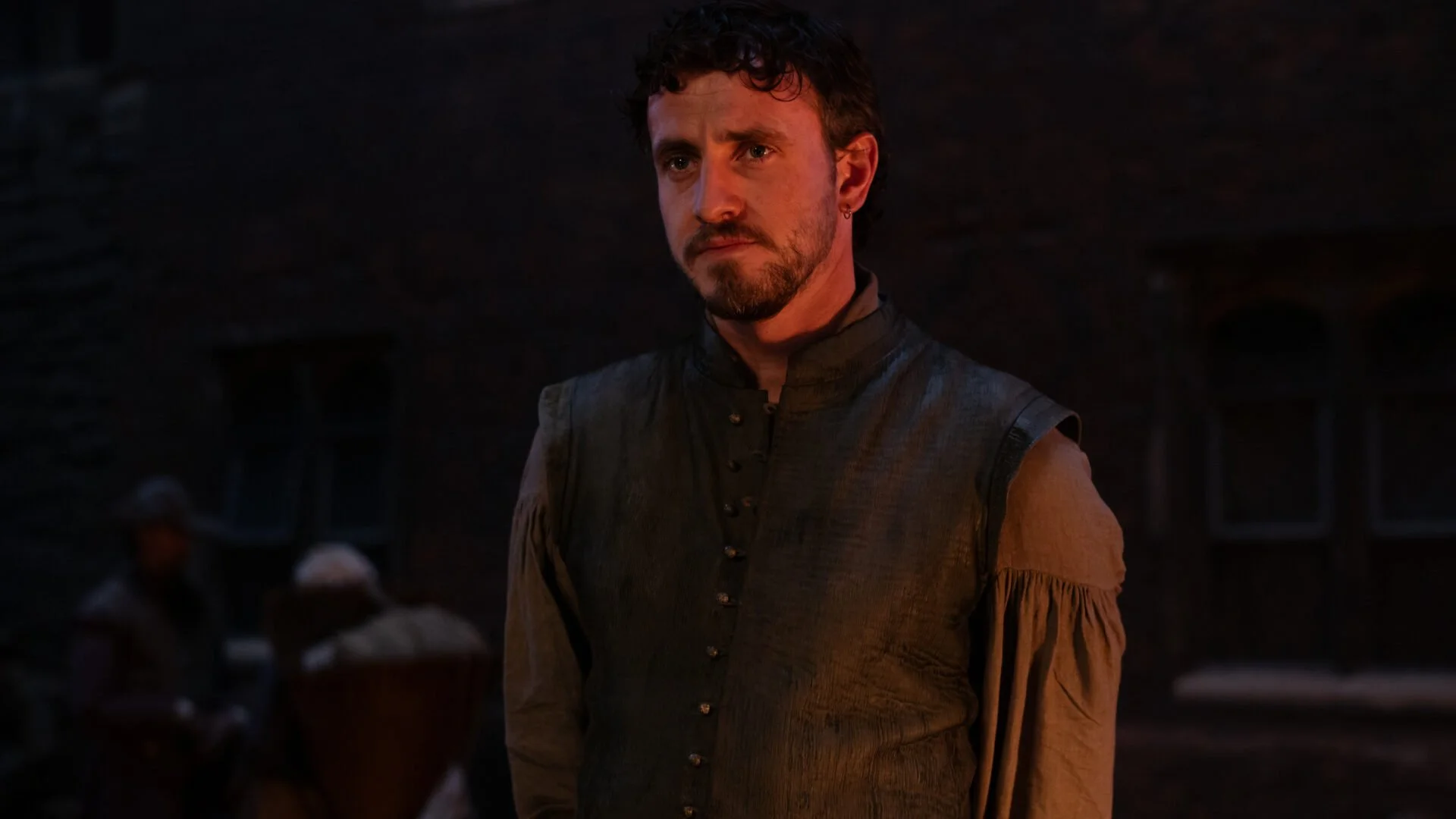
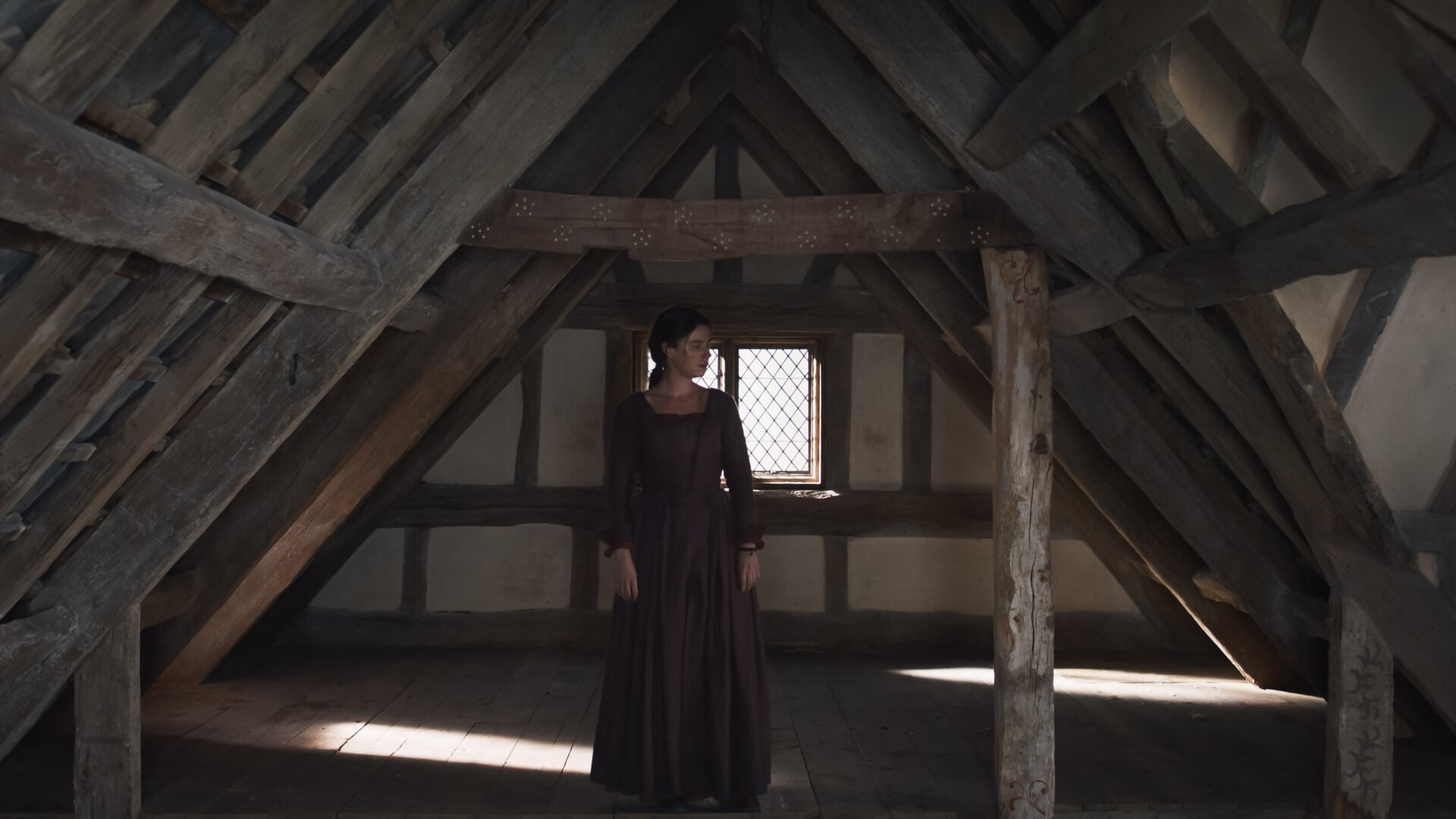
As mentioned earlier, the film centers on William Shakespeare and Anne Hathaway, referred to as Agnes throughout the movie, as they fall in love and begin building a life together. Unlike William, Anne has very little recorded history, and while the film is largely fictional in its narrative, it makes a genuine effort to give her depth and emotional weight, an effort that absolutely pays off. Jessie Buckley’s performance as Anne is the most powerful in the entire film, grounding the story with raw emotion and quiet strength. Paul Mescal’s portrayal of William is not far behind, as both actors bring a heavy sense of grief, loss, abandonment, and fate to their roles.
If I’m being completely honest, I didn’t leave the theater emotionally shattered, and I’ve spent the past week questioning why. At first, I wondered if it was because I’m not a parent yet, but that didn’t feel right either, as I’ve experienced loss before and understand how deeply it can hurt. To be clear, the film did move me, and I did cry at one point, but I think it’s important to take accountability as a viewer.
The final chapter, which many people found devastating, relies heavily on Shakespearean or Old English dialogue, and my difficulty understanding that language made it harder for me to fully connect with what is arguably the most important section of the film. That disconnect isn’t a flaw of the movie itself, but rather a limitation on my end, and I imagine many everyday viewers might find themselves feeling the same way.
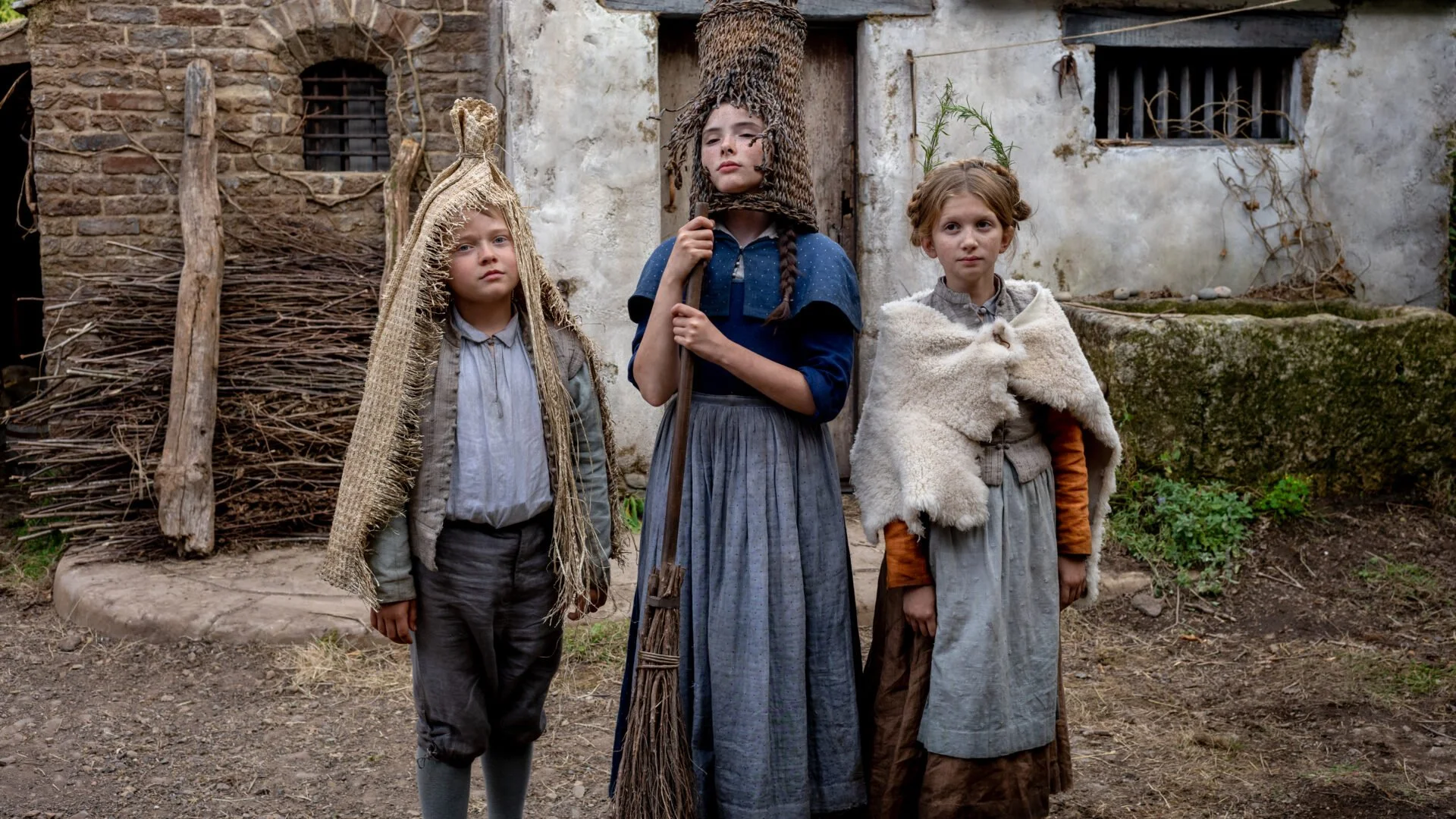
Before I end the review, I want to touch on Jacobi Jupe’s portrayal of Hamnet. Even though the film is named after his character, he does not occupy much screen time, yet his performance is where I felt the most pain. For someone so young, only twelve years old, Jupe delivers something remarkably affecting. His final moments are what truly brought me to tears. The quiet bravery he shows and the love he has for his sister hit me in a way I did not expect, and it lingered long after the scene ended.
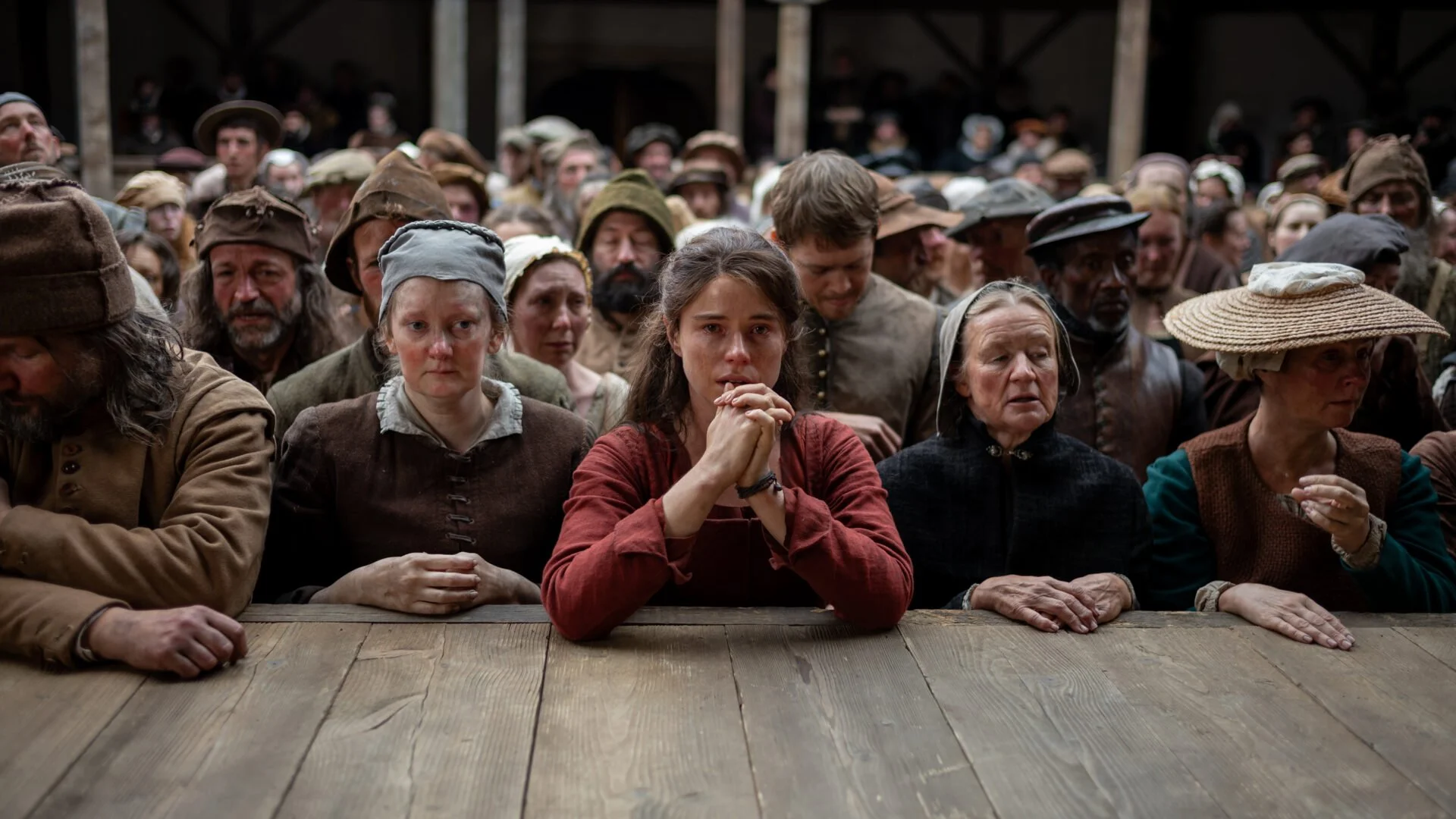
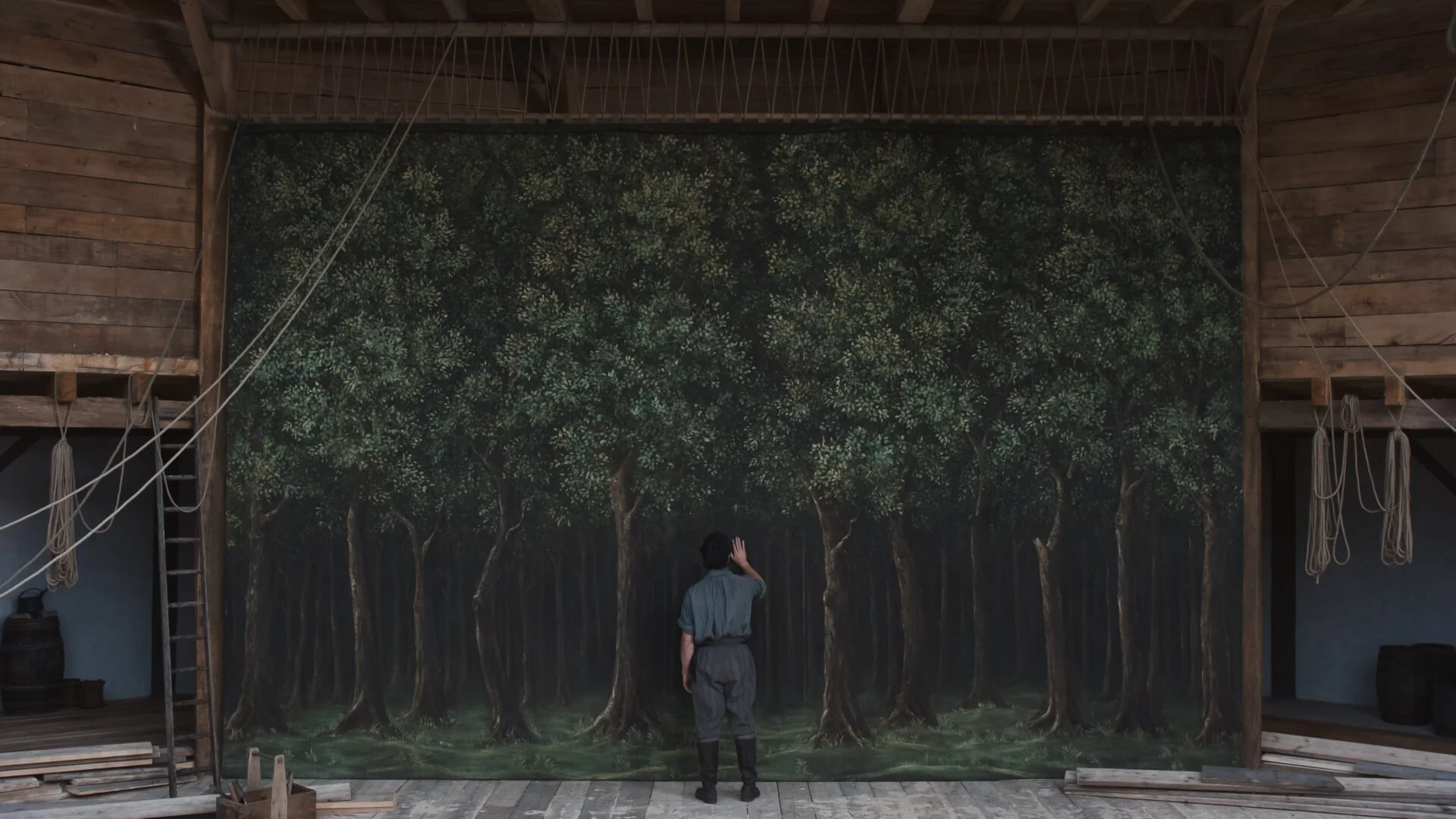
I also loved Zhao’s decision to cast Jupe’s real-life older brother, Noah, as an older version of Hamnet during the staging of Hamlet at the film’s end. It is a beautiful and thoughtful choice that reinforces the film’s ideas of fate, legacy, and spiritual connection. In that moment, both Anne and the audience are shown not just what Hamnet became, but who he could have been if he had lived long enough to grow into his dreams.
It ties the grief, love, and unanswered questions of the entire film into one quietly devastating image, and it is there that Hamnet fully reveals what it has been reaching for all along. Even though the language of Hamlet itself kept me at a slight emotional distance, the visual choice Zhao makes in this moment still resonates.
Hamnet is a quiet, deeply felt film that is sure to linger, not because it demands tears, but because it invites reflection on love, loss, and the lives we imagine beyond grief. Chloe Zhao crafts a story that is intimate, patient, and emotionally honest, anchored by powerful performances and thoughtful visual storytelling that speaks even when the words fall just out of reach. Hamnet is now playing in cinemas, and if you’re in the mood for a moving, contemplative experience that rewards empathy and openness, this is absolutely one worth seeking out on the big screen.