Leviticus Movie Review: The Horror of Intolerance
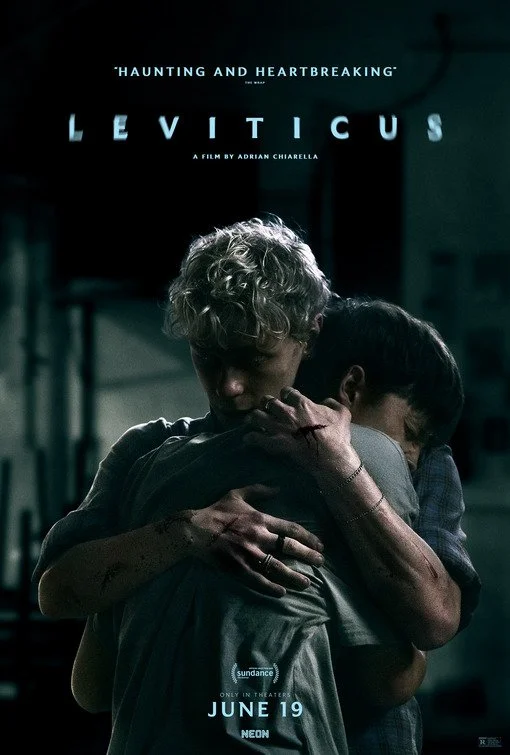
Leviticus, directed by Adrian Chiarella, is a horror film with a particularly intriguing premise. We've all experienced the feeling of having a crush on someone, but what if the very person you had feelings for could be the one to destroy you, quite literally? The film follows two teenage boys, Naim and Ryan, who develop feelings for one another while living in a deeply religious and conservative town in rural Australia, where their growing attraction is considered a sin.
Their budding romance is soon cut short, however, when Naim discovers that Ryan has been involved with another boy. Overcome with jealousy, Naim secretly reveals their involvement to the boy’s parents, unknowingly setting off a disturbing chain of events. What initially appears to be an act of teenage jealousy quickly spirals into something far more sinister, as the boys find themselves subjected to a religious intervention intended to rid them of their homosexual desires.
Unfortunately, the religious intervention does little to change how Naim and Ryan feel about each other. Instead, it leaves them dealing with something far more terrifying, as their feelings for one another become the very thing that puts their lives in danger. What started as an innocent romance quickly turns into a fight for survival, as the boys are forced to confront a horrifying reality where being with the person they love could ultimately cost them their lives.

One of the things I appreciated most about Leviticus is how it uses horror to explore the darker side of religion, particularly the way religious beliefs can be used to villainise things that people refuse to understand or accept. Throughout the film, we see how Naim and Ryan's feelings for one another are treated as something inherently wrong, not because they're hurting anyone, but simply because their relationship goes against the beliefs of the community around them.
Rather than allowing the boys to come to terms with their feelings naturally, the adults in their lives treat their attraction as something that needs to be corrected, regardless of the emotional and psychological damage that might cause. I also found the film's use of biblical references particularly interesting, especially given its title. The Book of Leviticus contains some of the Bible's most frequently cited passages concerning homosexuality, and the film uses that religious context to explore how scripture can be interpreted and used to justify the mistreatment of others.
What makes this even more disturbing is that the people responsible for putting the boys through this ordeal genuinely seem to believe they're doing the right thing. In their minds, they're saving them from sin, even if doing so means subjecting them to something far worse than anything the boys have actually done.
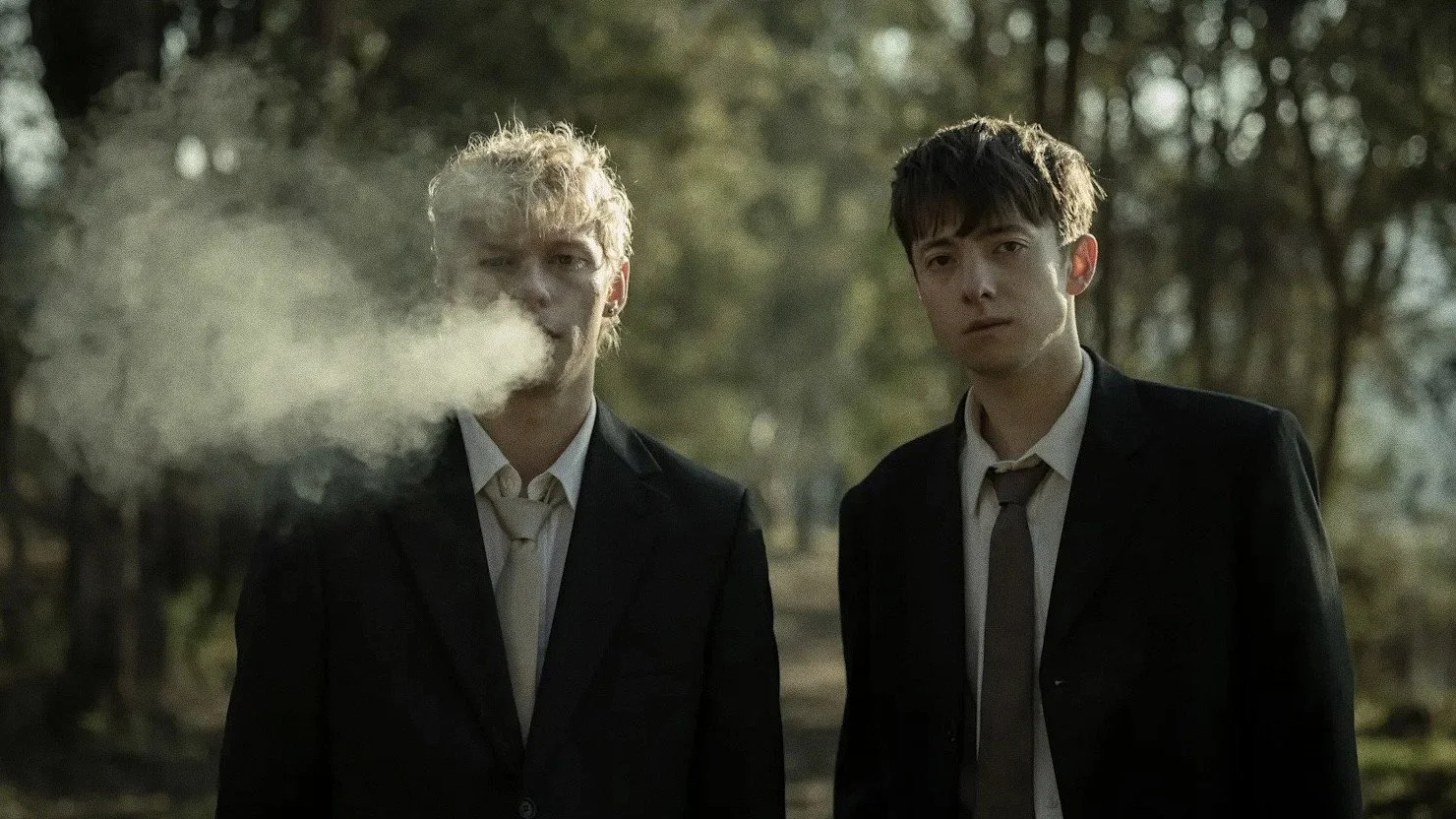
There's also an interesting contradiction here that I think the film handles particularly well. Christianity teaches us to love our neighbours and treat others with compassion, yet those values can sometimes become conditional when someone doesn't conform to what is considered acceptable. It's something I've often found myself questioning in real life.
How can we preach love and acceptance while simultaneously making people feel ashamed of who they are? And at what point does trying to save someone stop being an act of love and become an attempt to control them? I think Leviticus raises these questions in a way that feels surprisingly grounded, despite its supernatural premise.
Moving on to the performances, I thought both Stacy Clausen and Joe Bird did a great job bringing Ryan and Naim to life. Clausen was particularly impressive, bringing a real sense of vulnerability to Ryan, while Bird did an equally good job portraying Naim, even if I found his character incredibly frustrating. Watching him betray Ryan out of jealousy was irritating enough, but seeing him act shocked and devastated by the consequences of his own actions made it even worse. Still, I had to remind myself that these are teenagers, and while that doesn't excuse Naim's behaviour, it does make his actions a little easier to understand.

Overall, I really enjoyed Leviticus. It's a film that takes an intriguing supernatural premise and uses it to explore some very real issues surrounding love, identity, religion and acceptance. However, I wouldn't necessarily describe it as frightening in the traditional sense, and anyone going into this expecting the kind of relentless scares found in films like Sinister or The Conjuring might leave disappointed. That's not to say the film isn't intense, because it certainly is, but its horror comes less from what we see on screen and more from the disturbing reality of what people are willing to put others through in the name of their beliefs.
For me, the real tragedy of Leviticus lies in how intolerance can turn something as innocent as love into a source of fear and suffering. Adrian Chiarella has delivered a thought-provoking and deeply unsettling feature-length debut that proves horror doesn't always need to terrify us to leave a lasting impression.