Look Back Review: A Beautiful Reminder of Why We Create
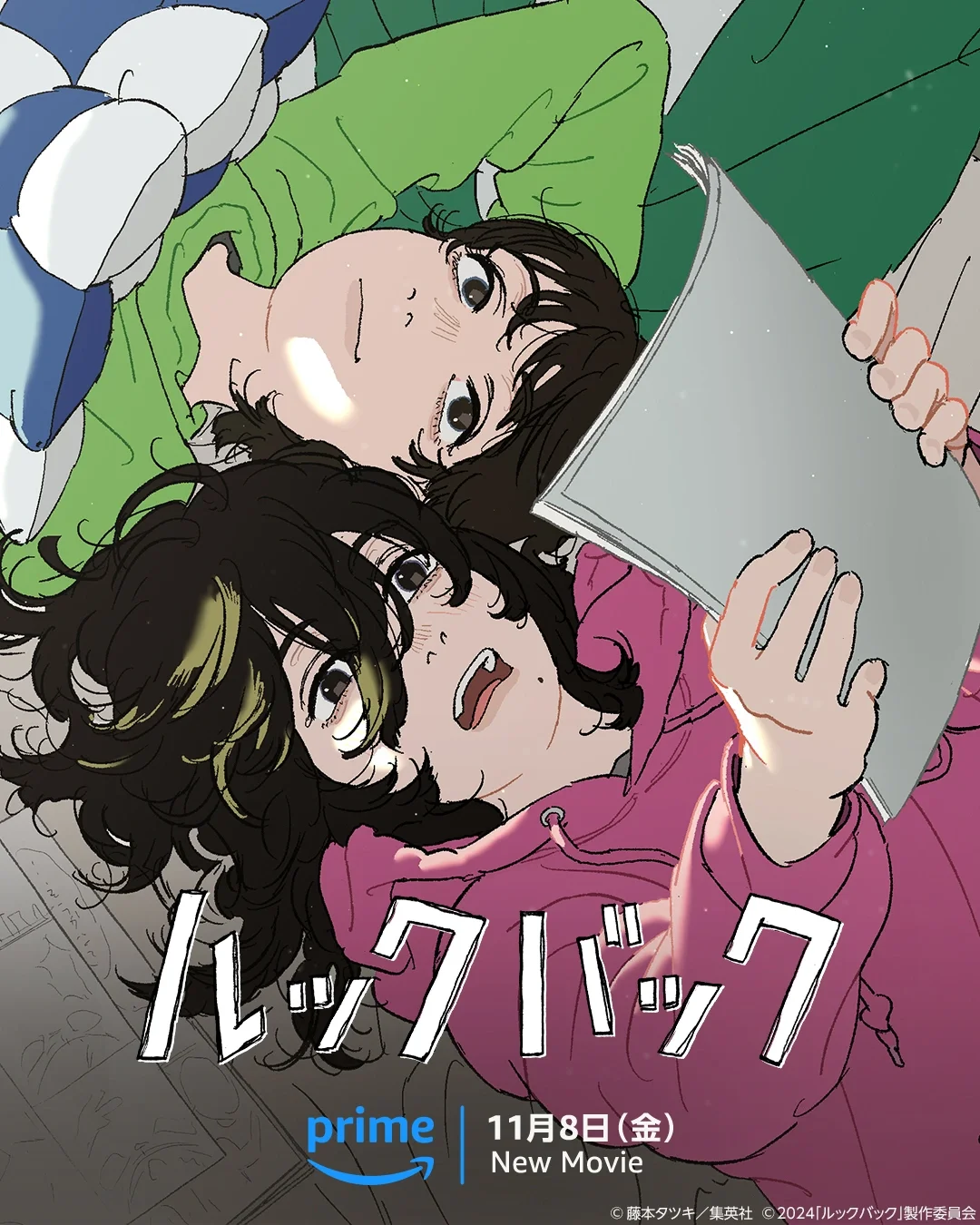
Tatsuki Fujimoto is a name most manga and anime fans probably know from his acclaimed series Chainsaw Man, which somehow manages to deal with some genuinely depressing themes despite being about a guy who can turn into a chainsaw-headed devil hunter. I personally didn’t get into Fujimoto’s work until around early last year, even though my twin brother had been trying to put me on for what felt like forever. It took me a while to finally listen, but I’m honestly glad I did because there is something about the way Fujimoto tells stories that just sticks with you.
Look Back is another one of his creations, and while I know the film came out a couple of years ago, I only recently got around to watching it while on vacation with my brother. Maybe that made the experience hit a little differently, but by the time it ended, I was genuinely moved. It is such a simple story on the surface, yet it manages to carry so much emotion that I immediately felt like I needed to sit down and share my thoughts on it.
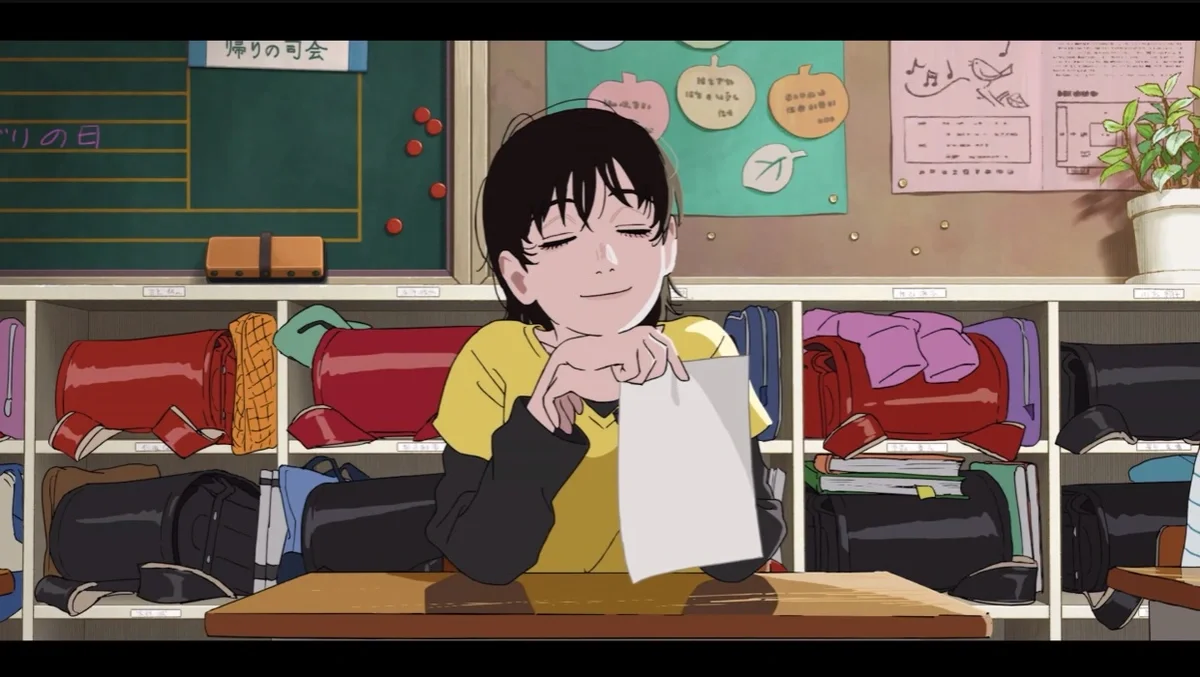
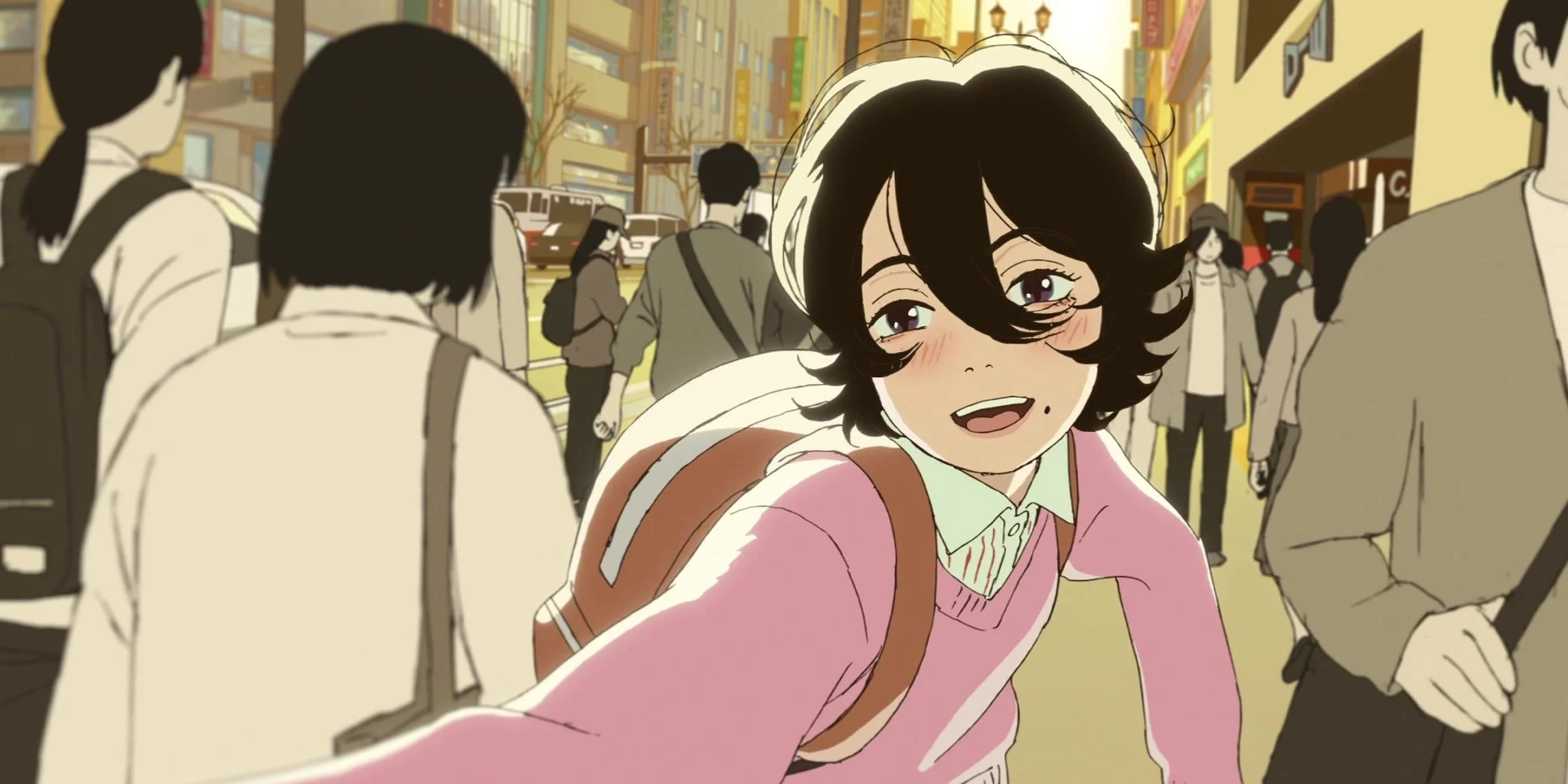
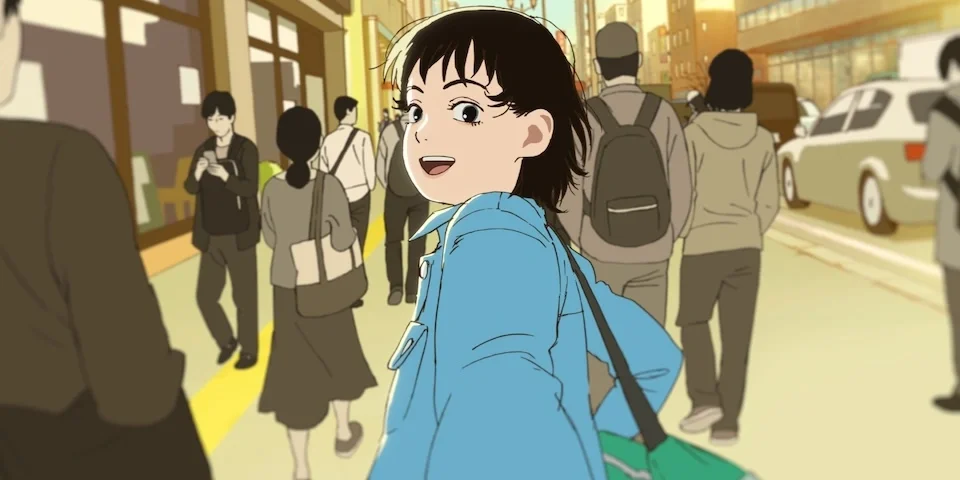
The movie follows Ayumu Fujino, an elementary school student with a natural talent for drawing manga, which she contributes to her school newspaper. She clearly loves creating, but you could argue that what she enjoys even more is the attention that comes with being good at it. The praise from her classmates becomes a big part of how she sees herself, which makes what happens next hit a lot harder.
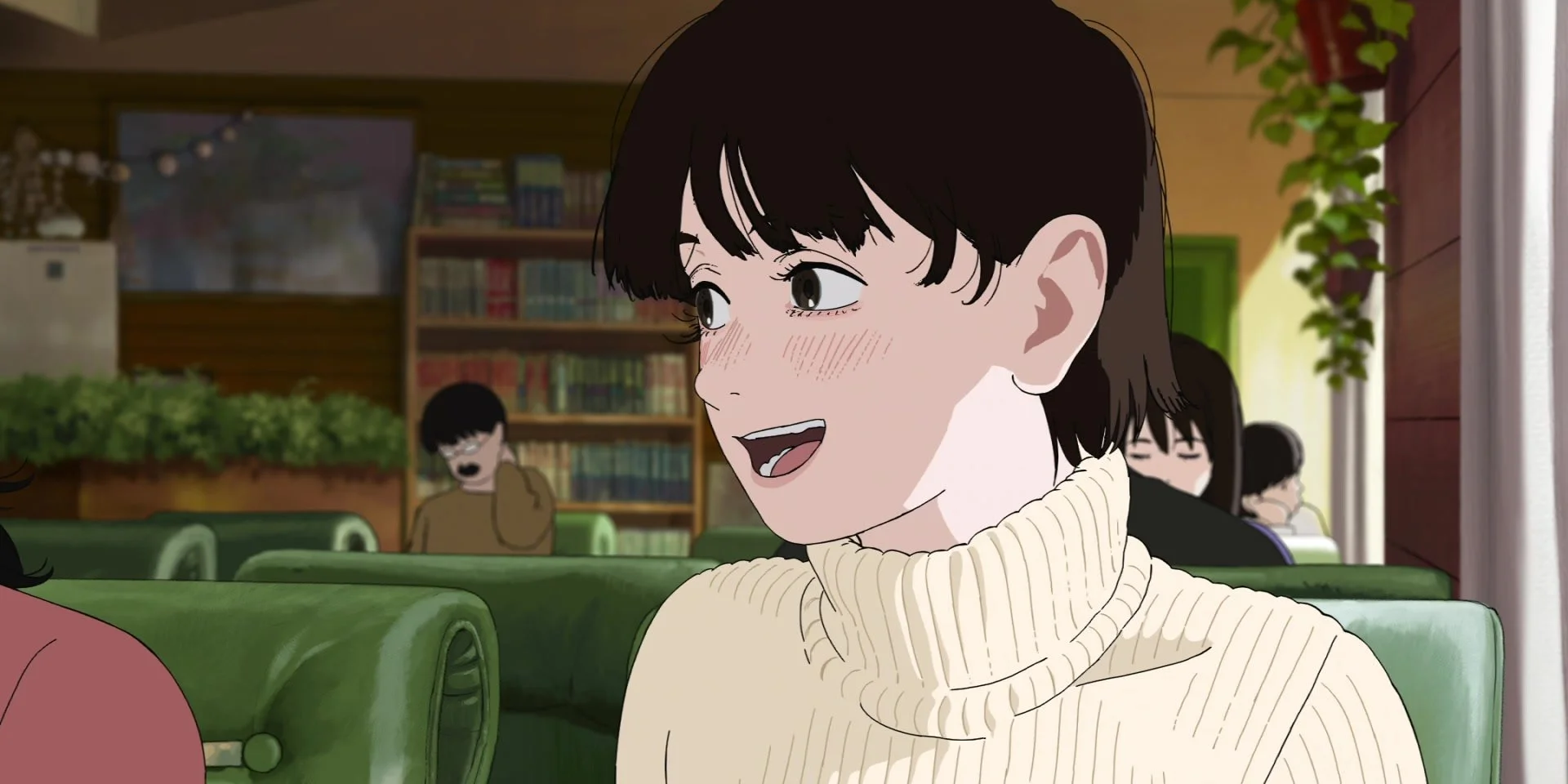
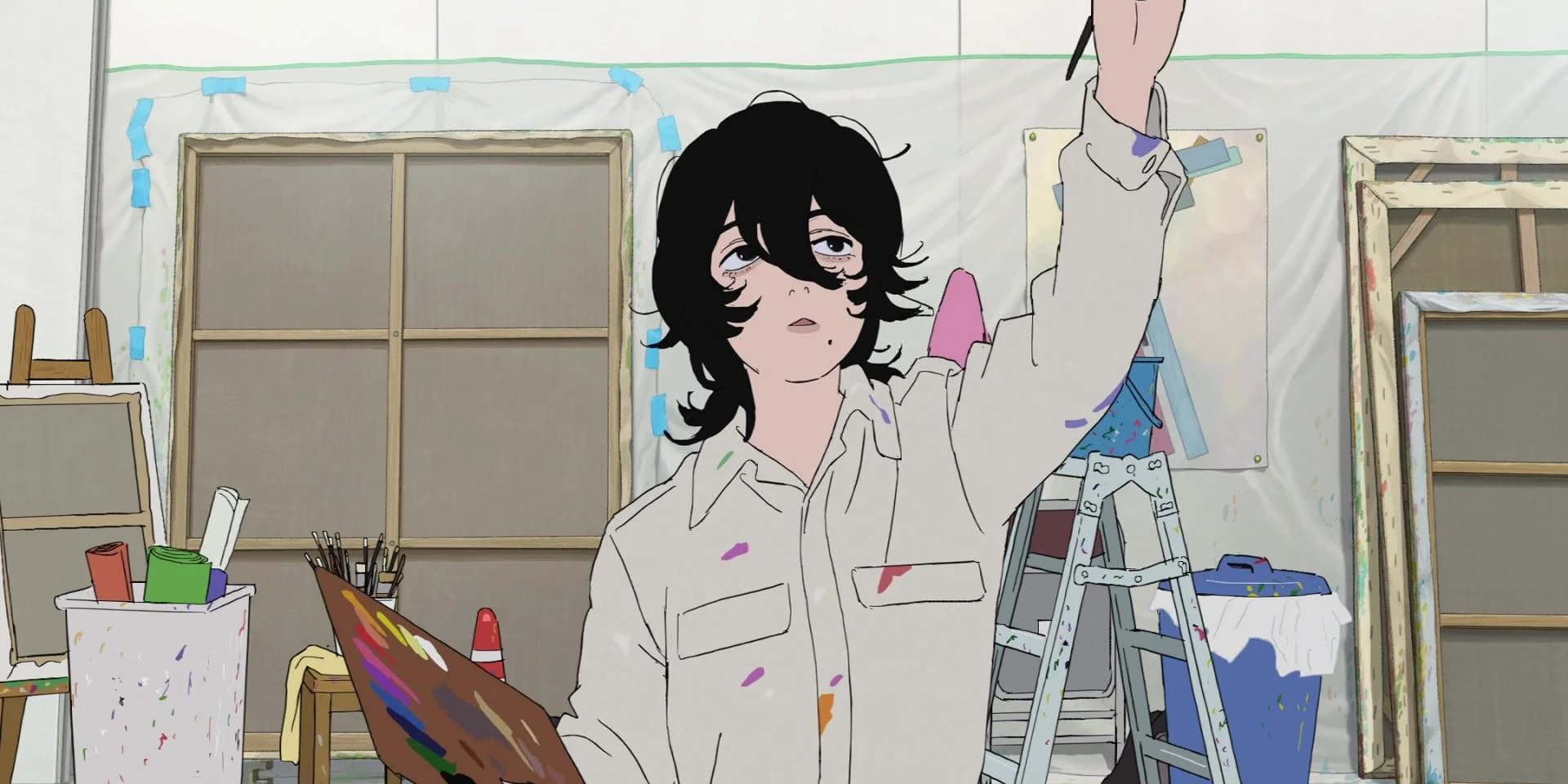
That confidence takes a pretty serious hit when Fujino is introduced to Kyomoto, a reclusive classmate who rarely attends school but happens to be an incredibly gifted artist. Seeing someone her own age draw at a level far beyond her own completely shakes Fujino’s sense of who she is. Up until this point, being “the talented artist” was a huge part of her identity, so Kyomoto’s ability does more than create a little competition. It forces Fujino to confront the uncomfortable reality that talent alone might not be enough.
I’m not an artist in the same sense as Fujino, but this part of the story hit me harder than I expected because I could relate to that feeling of having your confidence completely reset. Growing up, my brothers and I did really well academically, we were heavily involved in pan and music, and all three of us eventually passed for QRC.
At that age, I genuinely thought we were some of the smartest and most talented people around. Then Form 1 happened, and suddenly I was surrounded by people who were just as smart as me, if not much smarter, along with students who were better musicians, athletes, and performers. It was a pretty intense wake-up call. For the first time, I realised that being naturally good at something does not automatically make you exceptional, especially once you enter a space filled with people who are just as talented and willing to work even harder.
That is what made Fujino’s reaction to Kyomoto feel so real to me. It is not simply jealousy or bruised pride. It is that uncomfortable moment where the thing you have built so much of your identity around suddenly does not feel as special as it once did. I imagine a lot of people can relate to that feeling in some way, whether it came through school, sports, music, art, or anything else. At some point, most of us have had that humbling moment where the version of ourselves we believed in gets challenged, and we are forced to figure out who we are when we are no longer the best in the room.
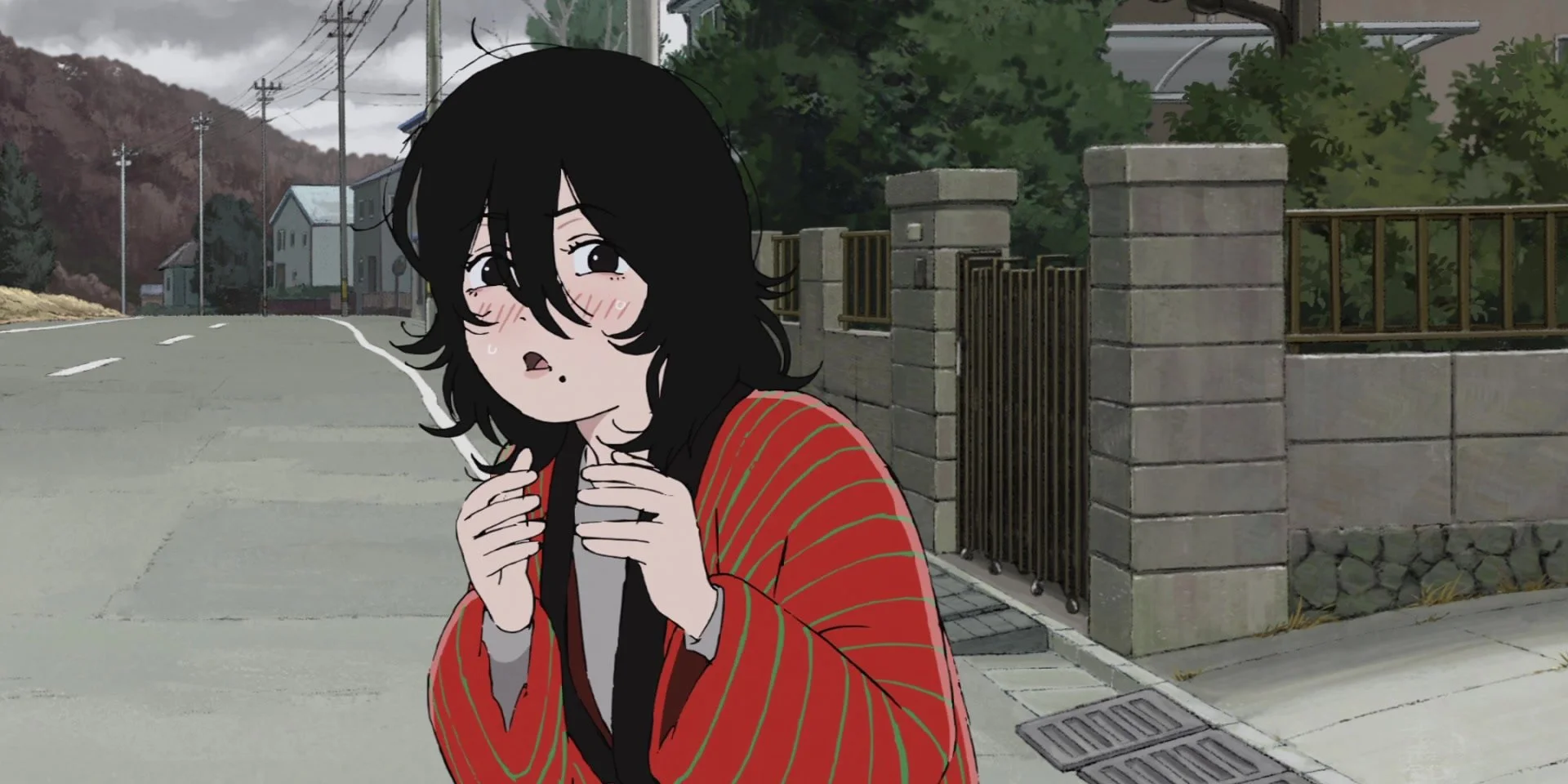
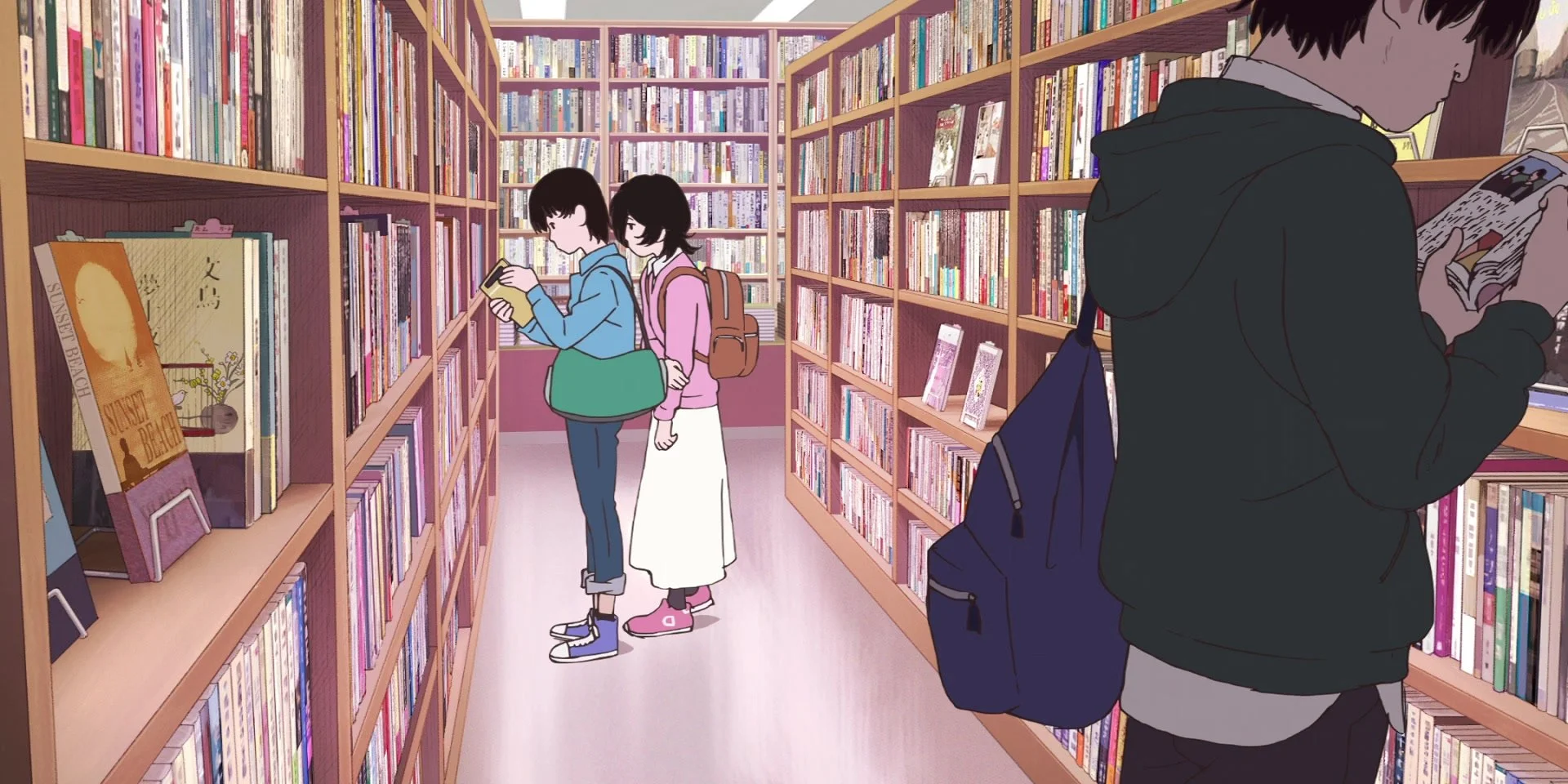
Bringing it back to Look Back, what makes Fujino’s journey so interesting is what happens after that realization. Instead of Kyomoto remaining this constant reminder of everything Fujino thinks she lacks, she eventually becomes one of the people who pushes her forward the most. Comparison slowly turns into admiration, and admiration into a genuine friendship built around their shared love of drawing. The person who once made Fujino question her ability ends up changing what creating means to her altogether.
The film also understands something that I think a lot of creative people struggle with, which is how complicated the relationship with your own work can become. Creating something can be exciting and deeply fulfilling, but it can also make you insecure, obsessive, frustrated, and constantly aware of everyone who seems better than you. Fujino and Kyomoto’s relationship gives the movie a way to explore both sides of that feeling.
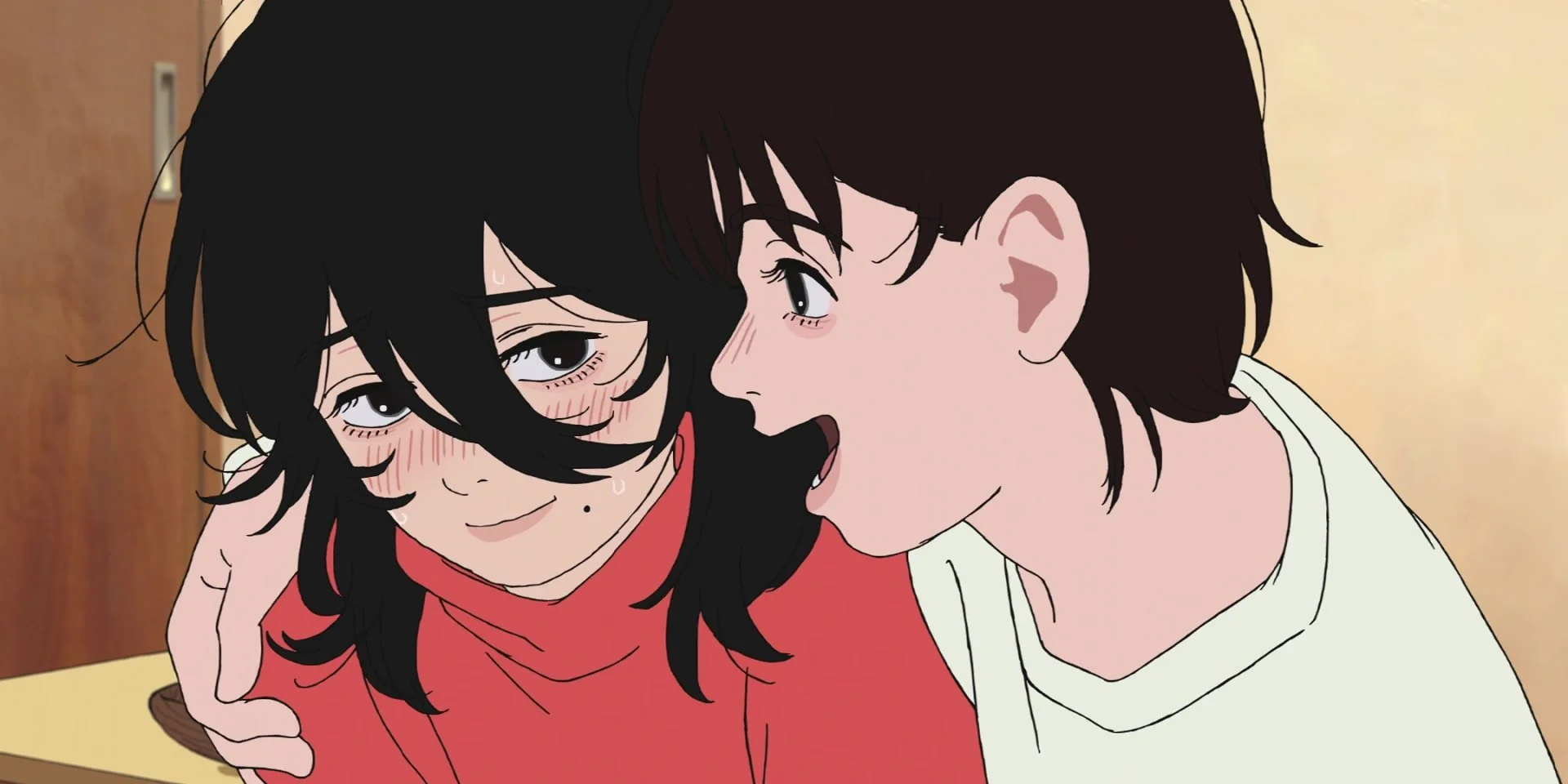
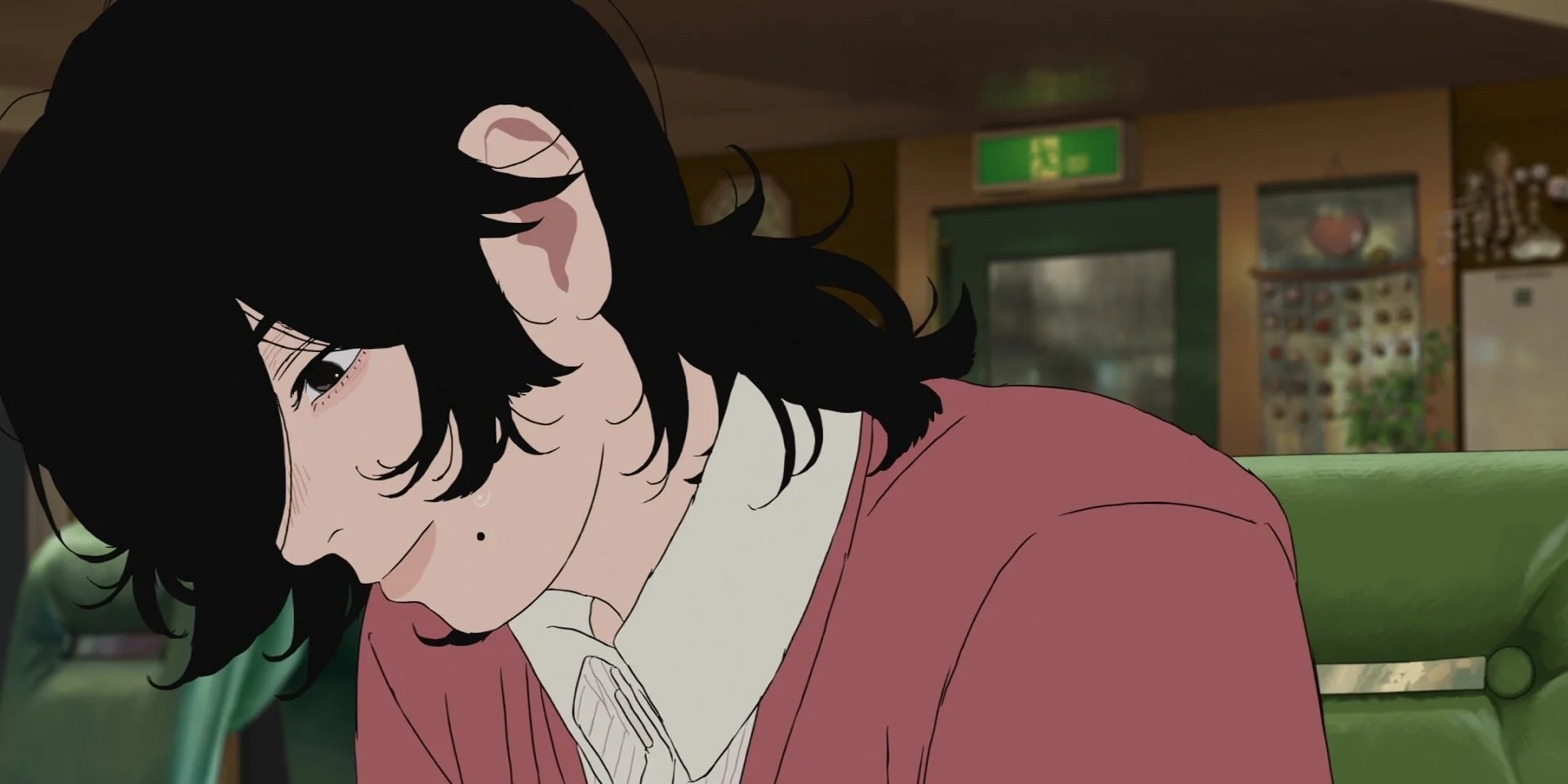
And that complicated relationship with creating only becomes heavier as the film goes on. Without getting into the specifics, Look Back eventually brings grief and regret into the equation, forcing Fujino to question the things she loves and the choices that brought her to where she is. It is painful because regret has a way of making us replay everything in our heads, wondering what we could have done differently and whether a different choice might have changed the outcome.
Beneath all the talk about talent, ambition, and becoming a better artist, this is really a story about the people who become tied to the things we create. Fujino and Kyomoto change each other in ways neither of them could have predicted, and that relationship gives every drawing, every achievement, and eventually every regret so much more weight.
By the end, I understood exactly why this story has stayed with so many people. Look Back is short, simple, and never feels like it is forcing emotion out of you, yet it still manages to say so much about creativity, friendship, loss, and the reasons we keep going. Watching it with my brother, especially knowing he was the one who kept pushing me to give Fujimoto’s work a chance, made the experience feel even more meaningful. For me, this was one of those rare films where everything just clicked.