
Passenger Review: An Interesting Premise Stranded by Goofy Execution
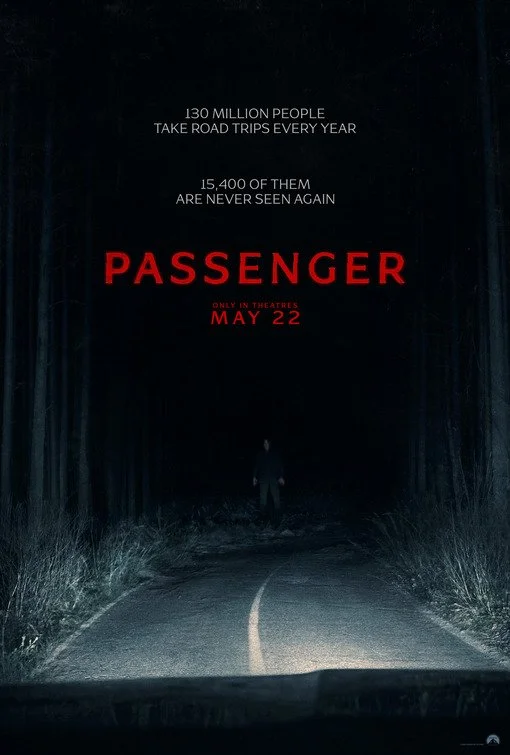
With new movies and television shows arriving every week, staying on top of everything released this year has become nearly impossible. So, we decided to circle back and review a few titles that may have slipped through the cracks. That brings us to Passenger. I saw the trailer a couple of months ago, and I would be lying if I said it did not catch my attention.
Unfortunately, the trailer may have been the most interesting part. I went into the film with an open mind and genuinely tried to give it a chance, but Passenger kept finding new ways to lose me. Directed by André Øvredal and starring Lou Llobell and Jacob Scipio, this 2026 supernatural horror film had enough potential to be intriguing, but its execution left a lot to be desired.
As I mentioned earlier, the story itself is not the problem. Passenger has an interesting concept, particularly with van-life content becoming increasingly popular in recent years. It follows Maddie and Tyler, a young couple who leave their jobs and home behind to pursue life on the road, only to find themselves haunted by a demonic entity during their journey.
That setup gives Passenger plenty of room to explore isolation, strained relationships, and the unsettling reality of being trapped on the road with nowhere safe to turn. Unfortunately, the film rarely takes full advantage of those possibilities. What could have been a tense and claustrophobic horror story is instead weakened by uneven pacing, frustrating characters, and creative choices that repeatedly drain the suspense. The idea may have caught my attention, but the execution gave me very little reason to stay invested.
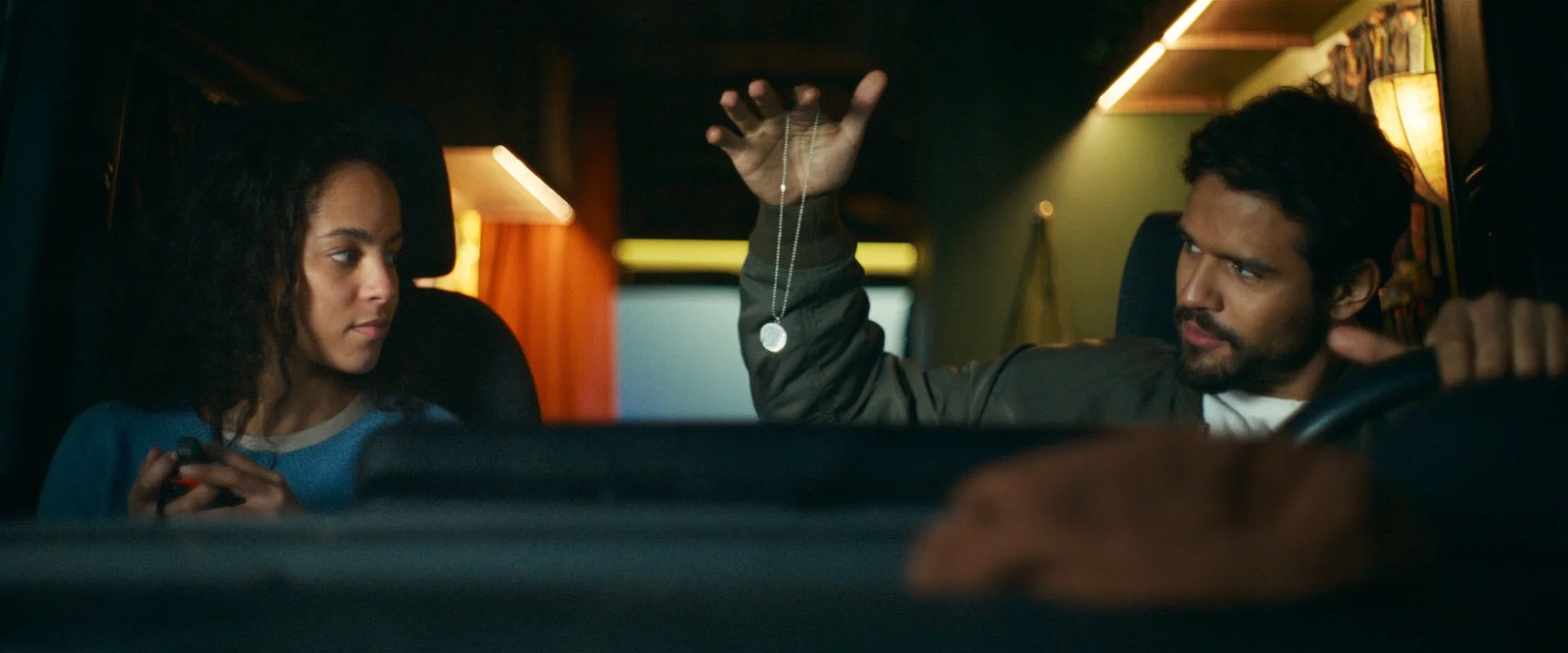
The first sign that Passenger may struggle to deliver on its premise comes from how little the van-life setting ultimately adds to the horror. The internet has a way of romanticising life on the road, presenting it as carefree, exciting, and endlessly adventurous. Personally, I found myself more intrigued by the darker possibilities beneath that fantasy: the isolation, vulnerability, and uncertainty of constantly travelling through unfamiliar places. There is nothing wrong with the film centring its story around a demonic entity, but exploring some of those grounded fears alongside it could have made the danger feel far more personal and unsettling.
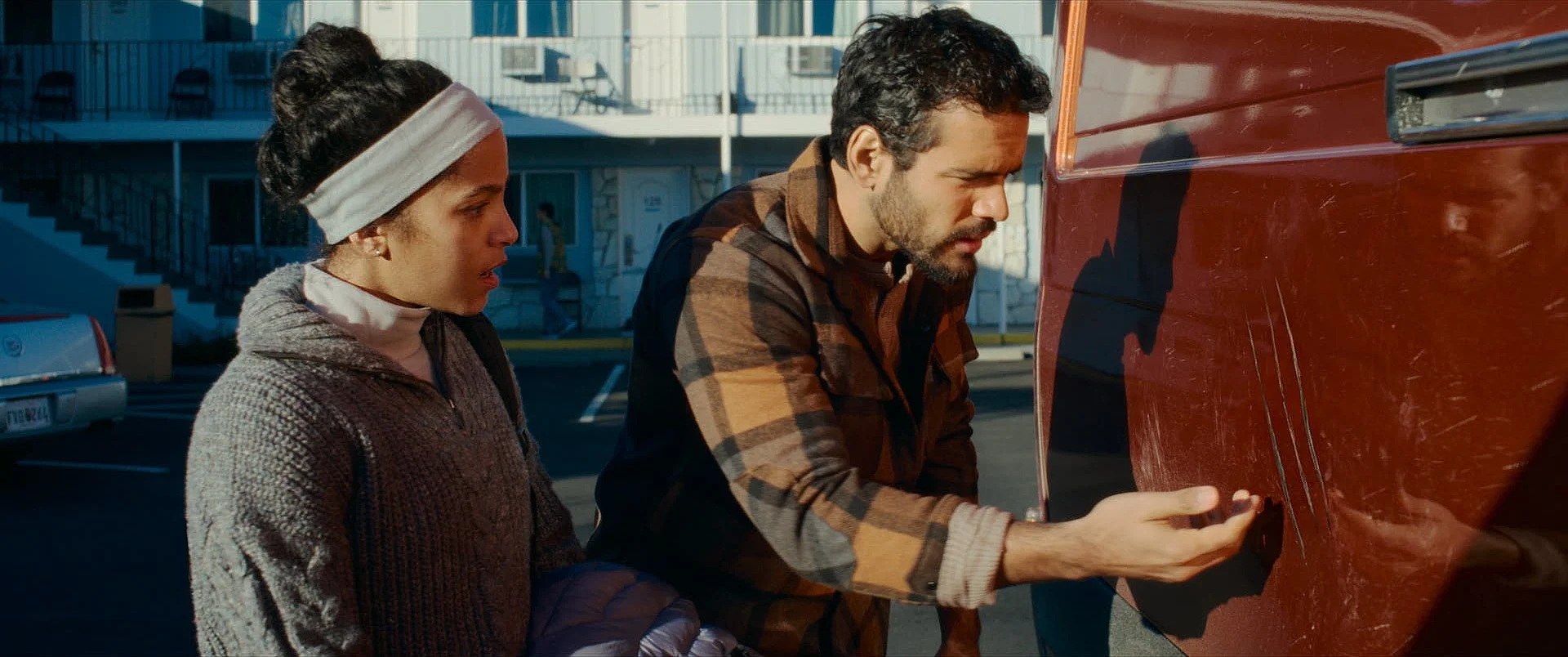
Maddie and Tyler are six weeks into their new life on the road after leaving their jobs and home behind. Their journey takes a disturbing turn when they stop at the scene of a roadside accident and witness something they cannot explain. Soon afterwards, strange claw marks appear on their van, and the couple realise that whatever attacked the driver has now begun following them.
Maybe I am simply growing tired of horror movies that throw logic out of the window in an attempt to create the most powerful, terrifying, and mysterious entity possible. Passenger asks the audience to suspend its disbelief so often that the whole thing eventually becomes unintentionally silly. The moment you stop and seriously think about what is happening, much of the film begins to fall apart.
The entity at the centre of the story is aptly named the Passenger, a demonic spirit that latches onto its victims, terrorises them, and eventually kills them. Like many horror villains, however, it seems far more interested in playing games with the main characters than treating them with the same brutality it shows everyone else.
The Passenger can appear inside their vehicle without warning, manipulate its victims’ bodies, and display enough strength to peel back a woman’s head like a banana. With that kind of power, it becomes difficult to understand why Maddie and Tyler repeatedly escape without being killed or even seriously injured. The answer, of course, is simple: a severe case of main-character syndrome.
That kind of main-character protection completely undermines the suspense. Once it becomes clear that the Passenger can kill almost anyone with ease but will repeatedly spare Maddie and Tyler, the threat begins to feel less dangerous and more convenient. Instead of wondering whether they will survive, you simply wait to see how the film will allow them to escape again. Horror depends on the belief that its characters are genuinely vulnerable, and Passenger loses that the moment its own villain stops following any consistent logic.
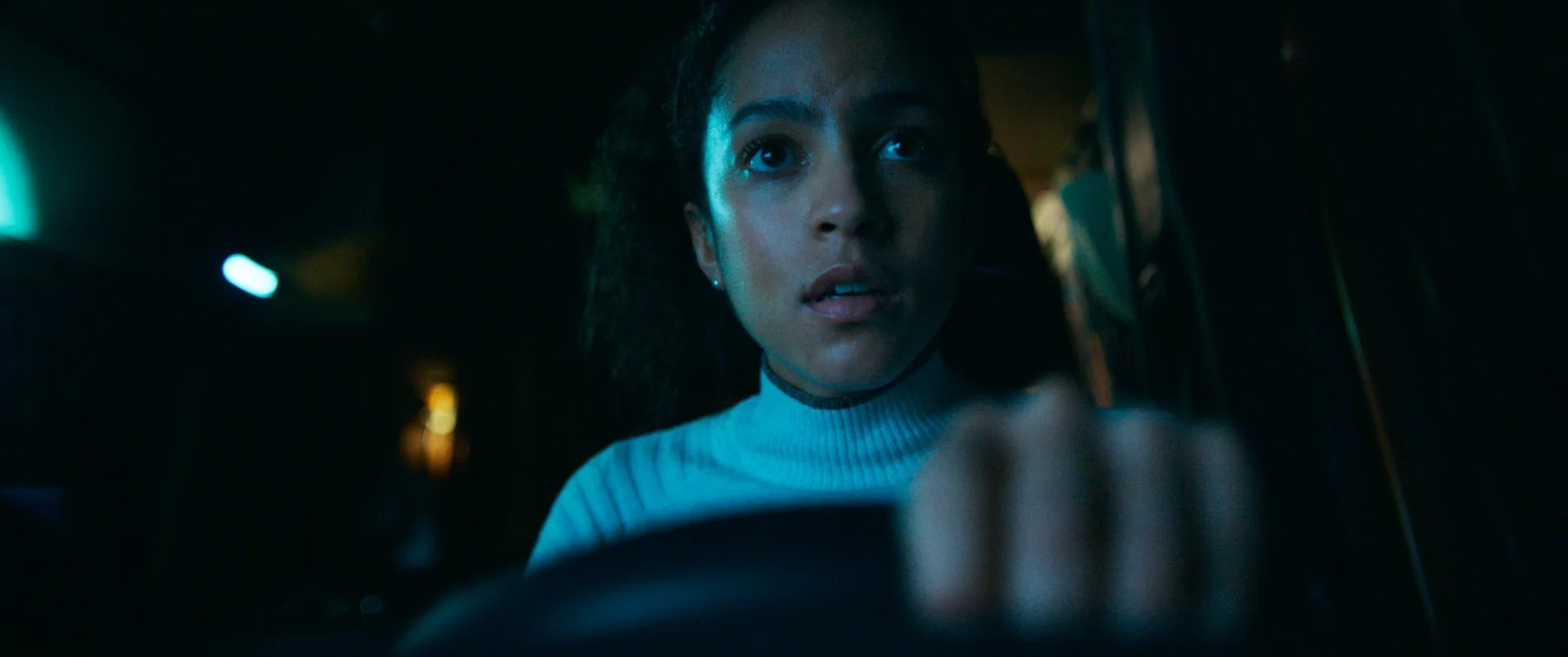
On a technical level, the film is perfectly competent. The cinematography is solid, the performances are serviceable and the visual effects are better than I expected. Unfortunately, none of that can save such a surface-level story from its increasingly goofy execution. Passenger had an interesting premise and enough technical polish to make it work, but weak character development, inconsistent rules and a villain that becomes more ridiculous than frightening ultimately leave it stranded.