Cyberpunk Edgerunners 2 Review: Studio Trigger Strikes Gold Again
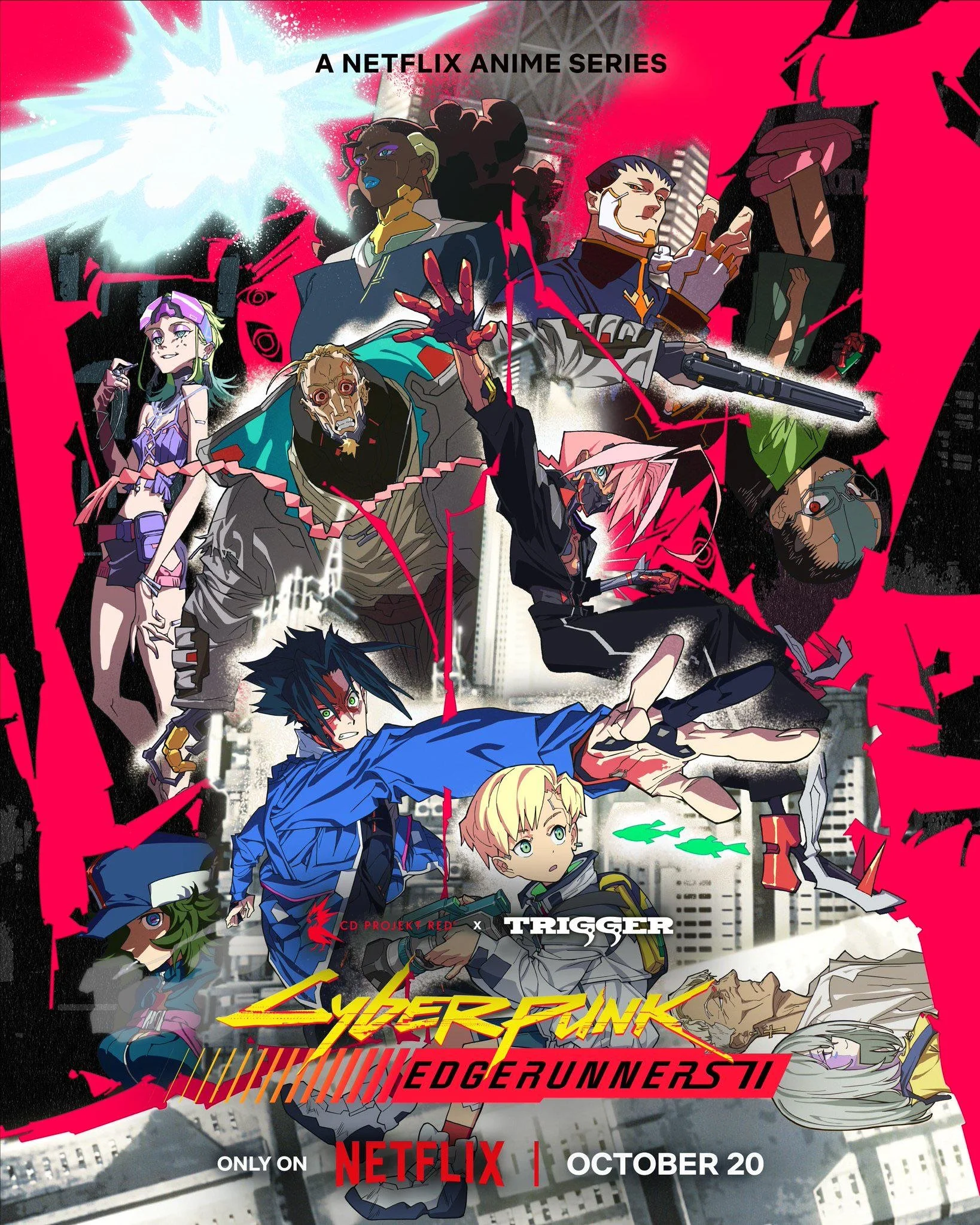
Image Courtesy of Netflix.
More than four years after Cyberpunk: Edgerunners first premiered on Netflix, we’re finally returning to Night City. David and his crew left quite an impression, so I was curious to see what a new group of characters could bring to this world.
The first season told the tragic story of a young man chasing his dreams in a society designed to crush them. What made David’s journey particularly heartbreaking, however, was that those dreams were never entirely his own. Instead, he devoted himself to fulfilling the ambitions of the people he loved, a pursuit that ultimately cost him his life. At the heart of that story was a close-knit group of mercenaries whose relationships, loyalty, and shared experiences made their eventual fates all the more devastating.
The second season takes a different approach to bringing its characters together. Rather than following an established crew of edgerunners, we're introduced to four individuals navigating Night City on their own terms. They aren't bound together by loyalty to a team or a shared purpose. Instead, it's their individual circumstances, personal tragedies, and the trauma they experience that gradually cause their seemingly separate lives to intersect.
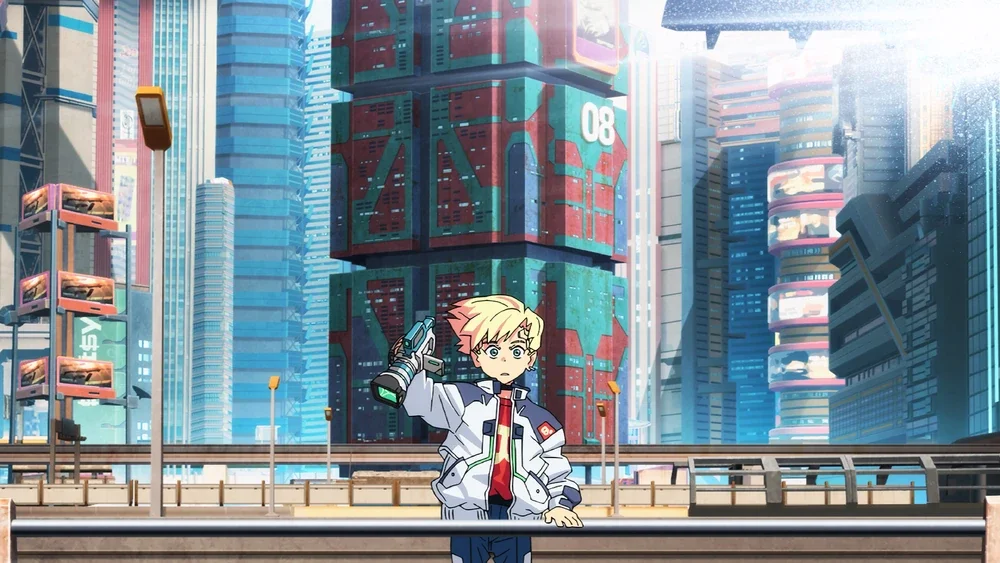
Image Courtesy of Netflix.
The story follows four main characters whose lives gradually intersect. Roman Carax is a twelve-year-old cinephile determined to document the untold stories of Night City, while Weak Kingsley is a former edgerunning legend forced to start over without the chrome that made him famous. Alongside them are D, a Snake Nation netrunner seeking revenge for his fallen clan, and Talia Yang, a young woman raised in corporate luxury who desperately longs for control over her own life. Despite their vastly different backgrounds, each is searching for something in a city that has a cruel habit of taking more than it gives.
Interestingly enough, Roman was the character I found myself gravitating towards the most. Unlike the hardened mercenaries around him, he's simply a kid with a camera, a love for filmmaking and a genuine curiosity about the people around him. What could have been a passive observer instead becomes someone deeply involved in the lives he documents, forming meaningful friendships with D and Talia along the way.
There's something incredibly refreshing about his sincerity, especially in a world where almost everyone seems to have an ulterior motive. Roman isn't looking to manipulate anyone or benefit from their misfortunes. He simply cares, and that kindness never feels forced or naive. We learn very little about his past, but I never felt we needed to. In a world defined by violence, betrayal and tragedy, his innocence and loyalty serve as a welcome reminder that genuine goodness can still exist, even in Night City.
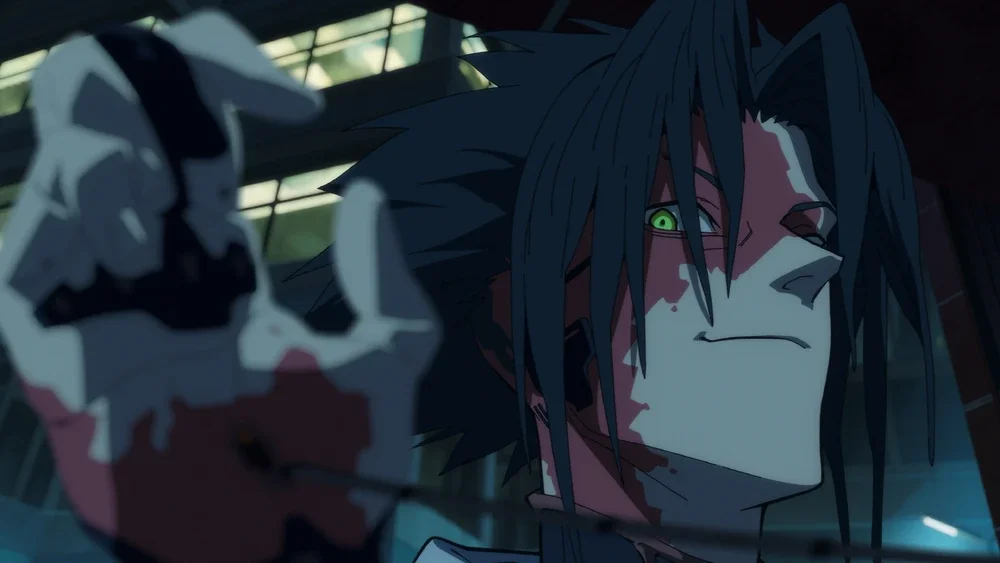
Image Courtesy of Netflix.
The remaining main characters were equally compelling, each bringing something different to the story, although I occasionally found myself wishing we'd spent a little more time with them. D, in particular, follows a familiar path. Anime has long explored the story of a lone survivor seeking revenge after the destruction of their clan, with characters like Sasuke and Kurapika immediately coming to mind. However, what makes D's journey engaging is how convincingly the series portrays his grief and determination, even within its limited runtime. His trauma feels genuine, and I found myself invested in his pursuit of revenge. I only wish we'd gotten a few more glimpses into the life he lost and the people he loved, as I think that additional context could have made an already compelling story even more impactful.
I felt something similar about Weak, whose journey was another highlight of the season. His motivations are understandable, and I enjoyed seeing how his past continues to influence the decisions he makes in the present. There's clearly a great deal of history behind his actions, particularly concerning the relationships that shaped him, and I would have loved to explore those connections in greater depth. Not because his story fails without them, but because I was genuinely interested in learning more about the man behind the legend.
Talia, on the other hand, felt like the most fully realised of the three. I found her story particularly engaging, with motivations and personal circumstances that made it easy to understand her decisions. My only real reservation was with her conclusion, which I felt had the potential to be something genuinely unsettling and psychologically intense. Instead, the series leaned into the kind of over-the-top action and spectacle that anime is known for. It was still incredibly entertaining to watch, but I couldn't help imagining how much more powerful those moments could have been with a slightly more restrained approach.
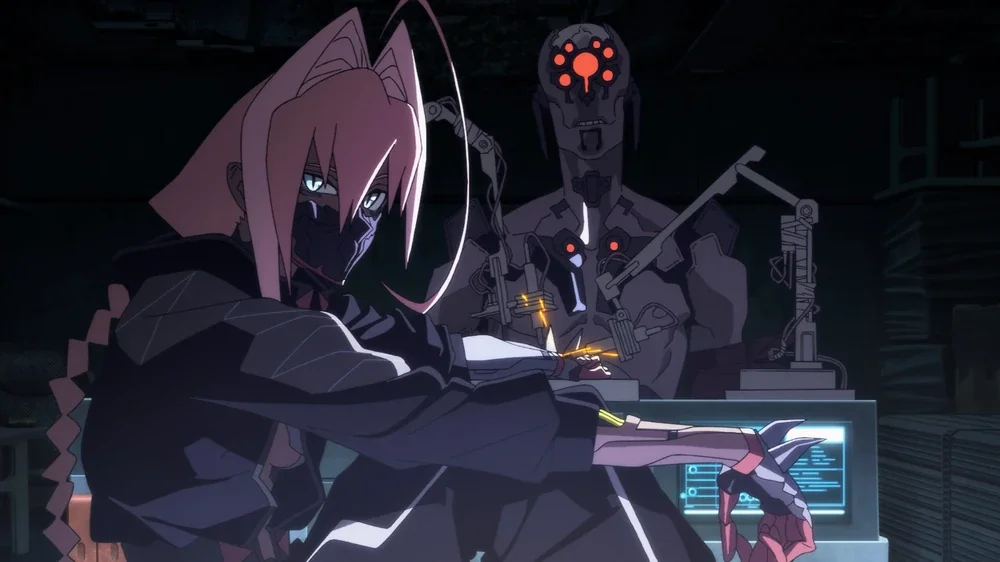
Image Courtesy of Netflix.
I can't end this review without discussing the stellar animation and performances from the cast. Much like the first season, Studio Trigger delivers an absolutely stunning production, this time experimenting with its visual style to give Edgerunners 2 an identity of its own. I particularly loved how Roman's passion for filmmaking was incorporated into the animation itself. Through his camera, we experience Night City from a more personal perspective, complete with film grain, lens distortion and the imperfections of an old camcorder.
These sequences give us a glimpse of the world through his eyes, capturing the people and moments he finds worth preserving. Outside of his lens, the animation is crisp, fluid and wonderfully expressive, with frantic action sequences, striking special effects and breathtaking compositions. The contrast between these styles adds another layer of personality to an already visually spectacular series.
I watched the series in its English dub, and the voice cast was equally fantastic. From quieter, more intimate conversations to moments of absolute chaos, the performances beautifully capture the personalities and emotions of these characters, complementing what is already an exceptional production.
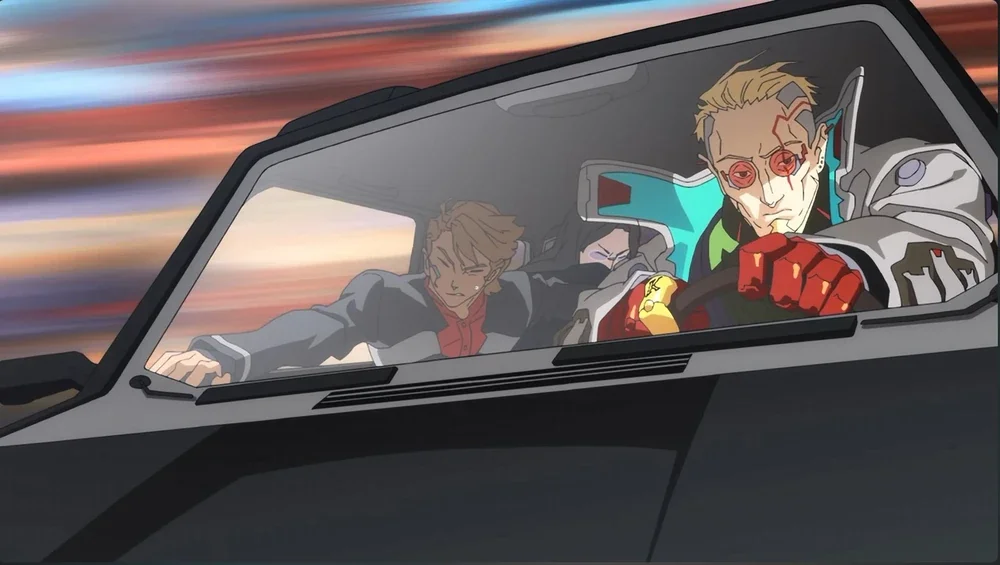
Image Courtesy of Netflix.
Ultimately, Cyberpunk: Edgerunners 2 had some pretty big shoes to fill, and what impressed me most was its ability to tell a distinctly different story without losing what made the original so special. While I would have loved more time with certain characters and a little more restraint in some of its bigger moments, those criticisms do very little to diminish what is otherwise an exceptional season of television.
From its compelling characters and emotional storytelling to Studio Trigger's breathtaking animation, there's so much to appreciate here. I went into this season wondering whether a new cast could ever leave the same impression as David and his crew, but by the time the credits rolled, I realised they didn't need to. They had carved out their own place in Night City, and I thoroughly enjoyed every moment spent with them.