Avatar: Fire and Ash Review - Bigger, Longer… But Not Better
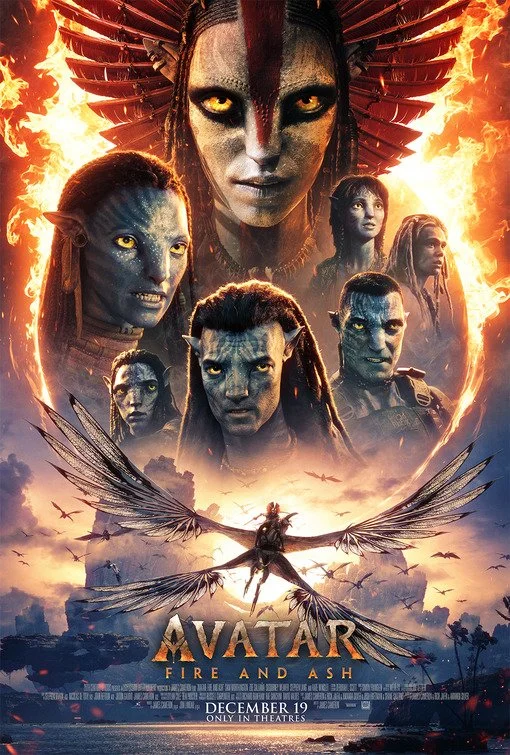
Three years after Way of Water, James Cameron returns with Avatar: Fire and Ash, the third entry in his massively successful franchise. The film brings back the core cast as the Na’vi once again face the RDA, along with a new faction known as the Mangkwan.
As someone who has never fully understood the hype surrounding this series, I went in with tempered expectations. Unfortunately, this installment feels like more of the same. There’s little sense of evolution, no major narrative risks, and few new story beats to keep things truly engaging.
If you’ve seen Part Two, this plays less like a bold next chapter and more like a straightforward extension of it. And at over three hours long, it’s not exactly an easy sit. Whether that familiarity works in the film’s favor or ultimately holds it back is something worth unpacking.
For all it has achieved as a franchise, Avatar has largely functioned as spectacle. Its beautifully rendered worlds, characters, and especially its breathtaking water sequences are a testament to the immense talent behind these films. But when it comes to story, there’s rarely much meat on the bones.
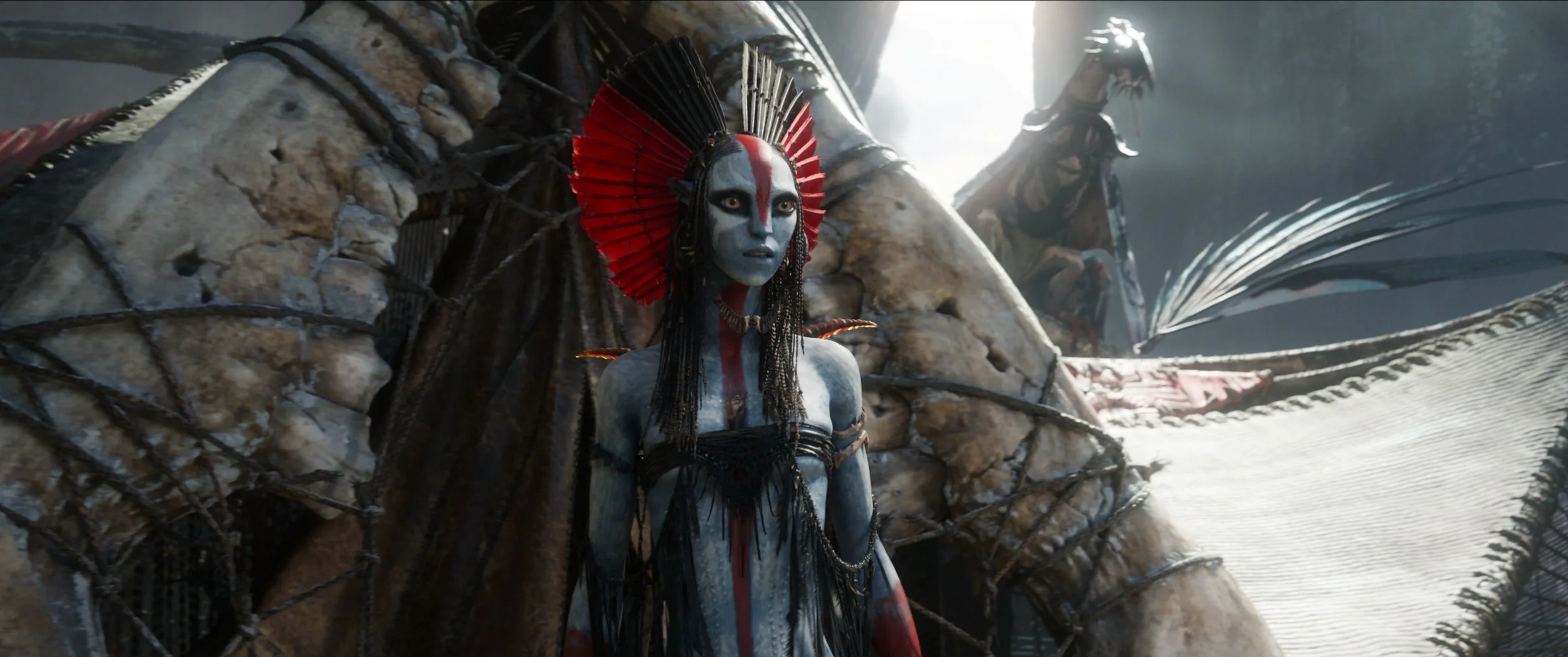
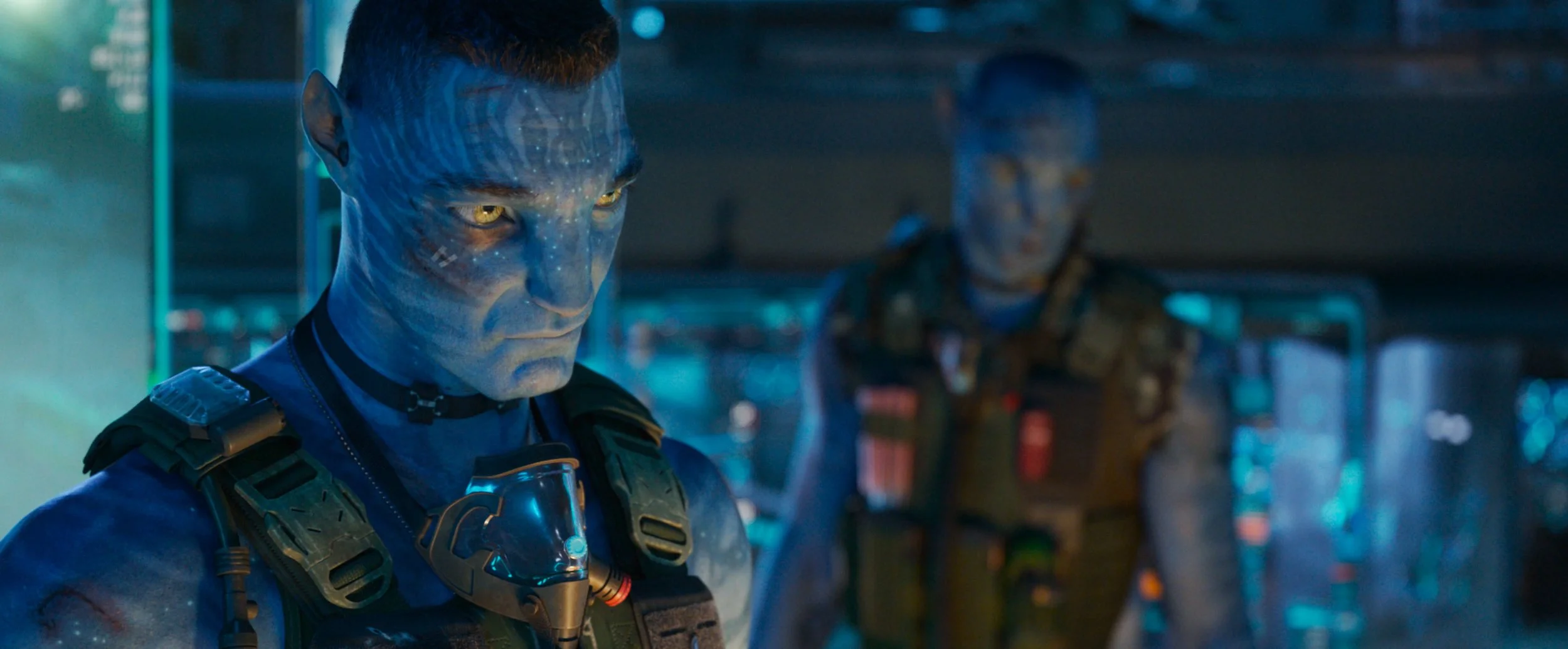
Fire and Ash continues that trend, opting to deliver more of the same rather than raising the stakes in any meaningful way. Varang, played by Oona Chaplin, briefly hints at something more compelling—a Na’vi cult leader with magnetic presence and dangerous allure. Yet James Cameron ultimately sidelines her in favor of Stephen Lang’s Quaritch, who, despite having died, once again returns as a recombinant clone carrying his old memories.
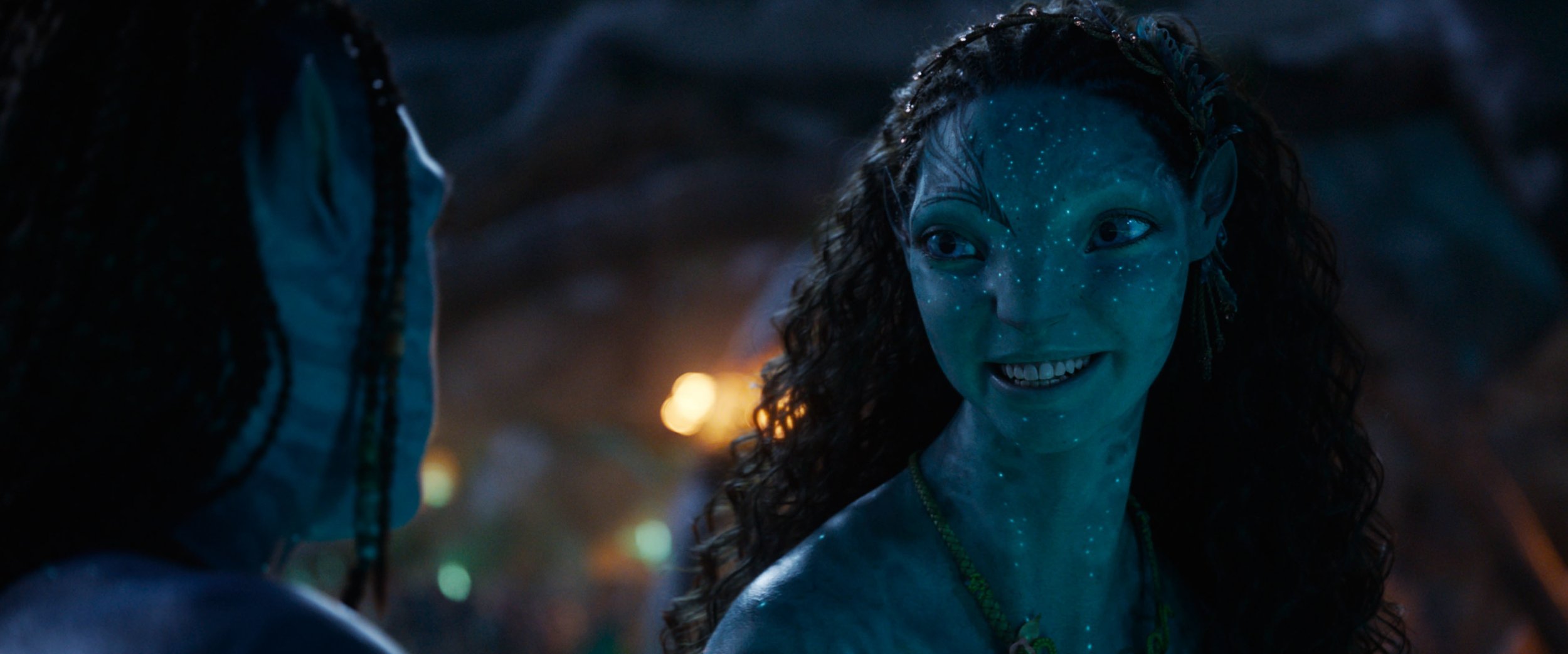
Another missed opportunity is the film’s reluctance to explore grief, love, and loss on a deeper level—elements that could have strengthened the audience’s connection to its core characters. I understand that Avatar prioritizes spectacle and action, but at over three hours long, there was ample room to spend meaningful time with Jake and his family as they navigate the loss of Neteyam. Instead, those emotional threads feel underdeveloped.
Outside of the story itself, there are many other elements of the film that I struggled with. The character of Spider is one of the weakest parts, in my opinion, and while I take no pleasure in criticizing performances, the portrayal here felt flat and uninspired. Much of what he says and does lacks authenticity, and the character never gains the depth you would expect from someone who plays such an integral role in the narrative.


If you’re walking into Fire and Ash expecting the franchise to evolve in a meaningful way, you may leave disappointed. The film doesn’t meaningfully expand its themes or challenge its characters in ways that feel new; instead, it doubles down on the formula that has already proven commercially successful.
That said, if you’re here for the action, the visual spectacle, and the immersive world-building that Cameron consistently delivers, there is still enjoyment to be found. Pandora remains stunning, the set pieces are technically impressive, and the theatrical experience does amplify the scale of it all.
Still, at over three hours, the film demands a level of patience that its story doesn’t always justify. While it may still be playing in theaters, this feels like one you can comfortably wait to stream, where pauses, breaks, and a smaller screen might actually work in its favor.