Avatar Aang: The Last Airbender Review: A Gorgeous Return That Gets So Much Right
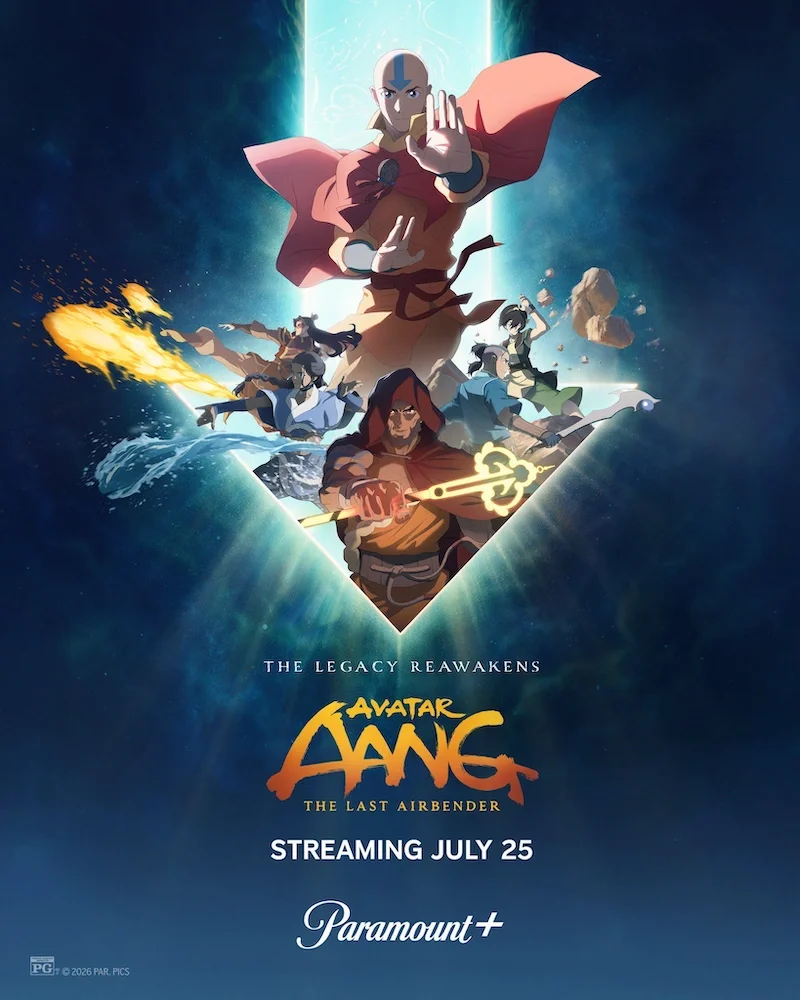
Back in 2021, ViacomCBS announced the creation of Avatar Studios, a new division dedicated to developing animated films and series set within the Avatar universe. The move came more than a decade after Avatar: The Last Airbender became one of Nickelodeon’s most acclaimed animated series, running from 2005 to 2008 and building a franchise that has remained incredibly popular ever since.
The first project to arrive under the Avatar Studios banner is Avatar Aang: The Last Airbender, a direct follow-up to the original series that reunites us with Aang and the rest of Team Avatar. The film was originally planned for a theatrical release and was announced as the first of three animated movies intended to further expand the world of Avatar.
Unfortunately, the movie was leaked months before its scheduled release and was eventually moved from theatres to Paramount+. While I can understand the difficult position the leak put the studio in, the decision to abandon a theatrical release still baffles me. Avatar Aang: The Last Airbender is a beautiful film and a real testament to the talent of the team at Avatar Studios, with its animation, scale, and attention to detail constantly reminding you just how much work went into bringing this world back to life. More importantly, it proves that there are still plenty of stories worth telling with these characters, and thankfully, this feels like a worthy return to the world of Avatar.
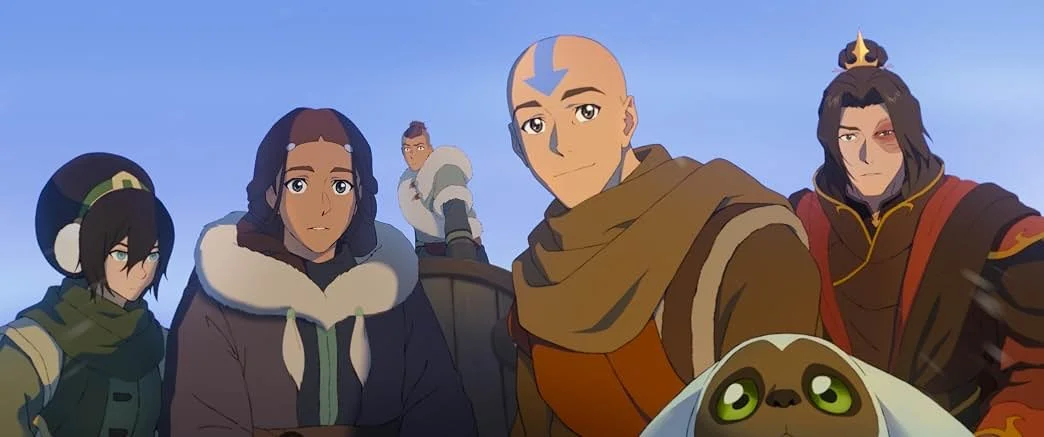
The story picks up thirteen years after the events of the original series, catching us up on what Aang and the rest of Team Avatar have been doing since. Together, they’ve helped establish Republic City, a place where benders and non-benders from all nations can live together in harmony. We’re also introduced to The Denied, a faction of non-benders searching for a relic connected to an ancient Avatar named Sonam as a way to level the playing field.
I’m sure you’re wondering what I mean by “leveling the playing field.” Well, the relic they’re searching for is a staff capable of granting airbending abilities to any non-bender. For the Denied, that kind of power could completely change the balance between benders and non-benders, which gives their mission a lot more weight than simply chasing after some ancient artifact.
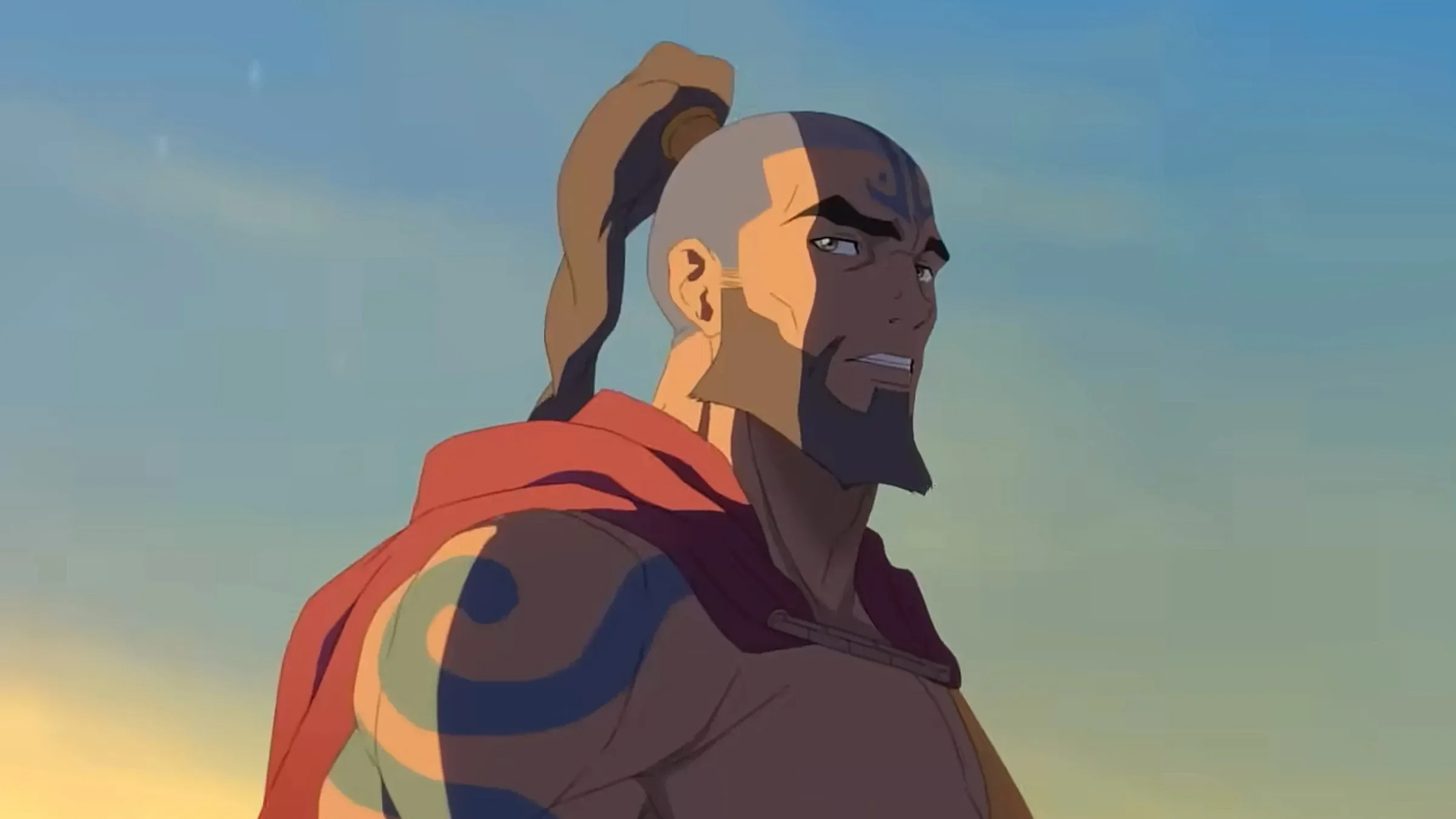
For Aang, however, the staff represents something much more personal. He has helped build a world where the nations can finally coexist, but one painful reality remains: he is still the last airbender. Through Tagah, a character with his own connection to the Air Nomads and the relic, the film begins to explore the weight Aang carries as the last surviving member of his people. With the staff potentially offering a way to restore airbending to the world, it naturally becomes difficult for Aang to ignore what that could mean for the future of his culture.
Aang is easily where the movie invests most of its emotional depth, and while that works for his story, it unfortunately leaves some of the other characters feeling underdeveloped. Seeing the rest of Team Avatar together again is refreshing, but the movie never gives them enough depth for us to properly reconnect with them. They are present throughout the story, but most of their roles revolve around supporting Aang and reacting to the decisions he makes.
The same can be said for the Denied. As an antagonistic faction, they have an interesting enough premise, but the movie spends very little time developing their personalities, motivations, or individual perspectives. By the end, I honestly couldn’t name a single member of the group, which is a shame because the concept behind them feels like something that could have been far more compelling with the breathing room of a full series.
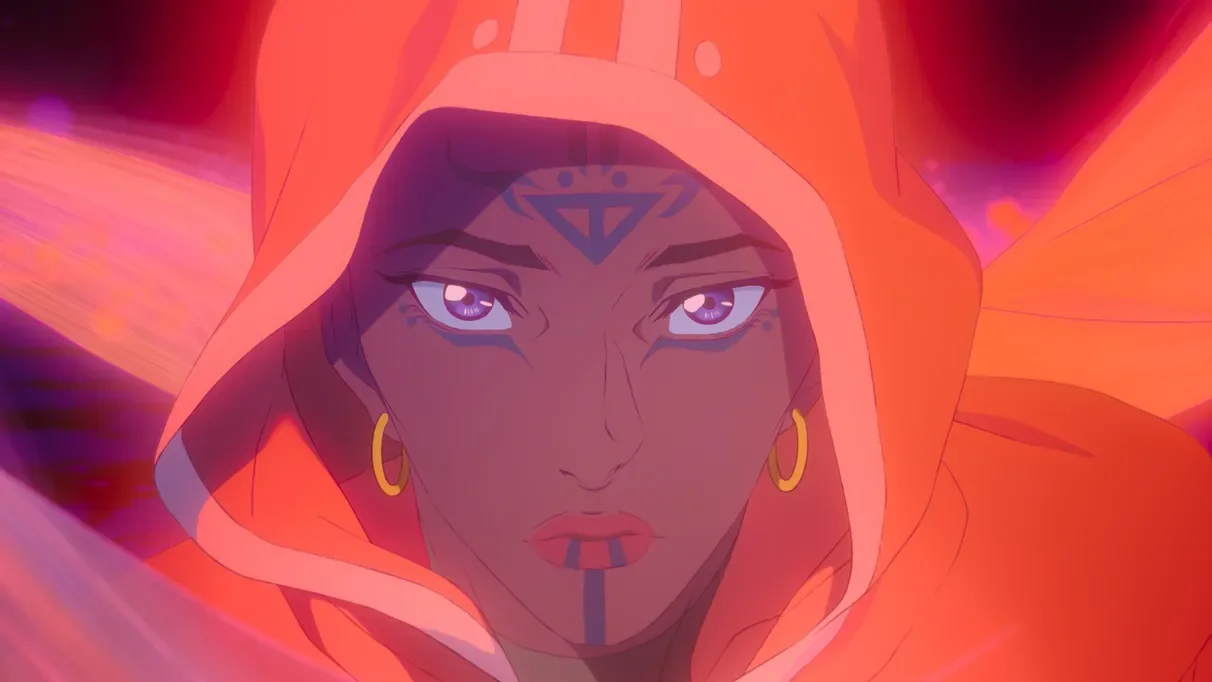
Where the movie may fall short in developing some of its characters, there is very little to complain about when it comes to the presentation. Avatar Aang: The Last Airbender is a genuinely beautiful film. The art style is breathtaking, the fight scenes are fluid and mesmerizing, and every kick, punch, and burst of bending is brought to life with incredible detail. The decision to stick with 2D animation, while incorporating touches of anime-inspired style, works perfectly and once again proves that this franchise is at its best in animation. We’ve seen Avatar make the jump to live action more than once, but there is something about this world, its movement, and its bending that simply feels more natural when animated.
The voice performances and soundtrack also help make the return to this world feel familiar without relying too heavily on nostalgia. There is a warmth to hearing these characters again, and the music still carries that same sense of wonder that has always made Avatar feel so distinct.
The movie is not perfect, and there are moments where it feels like the story could have pushed its conflict much further and raised the stakes in a more meaningful way. At the same time, I understand that Avatar is still ultimately a story made with younger audiences in mind, so there is only so far it was ever likely to go. Even with those limitations, Avatar Aang: The Last Airbender is a great return to this world. Aang’s journey carries genuine emotional weight, the animation is breathtaking, and seeing Team Avatar together again reminded me exactly why this franchise has remained so beloved for so long.