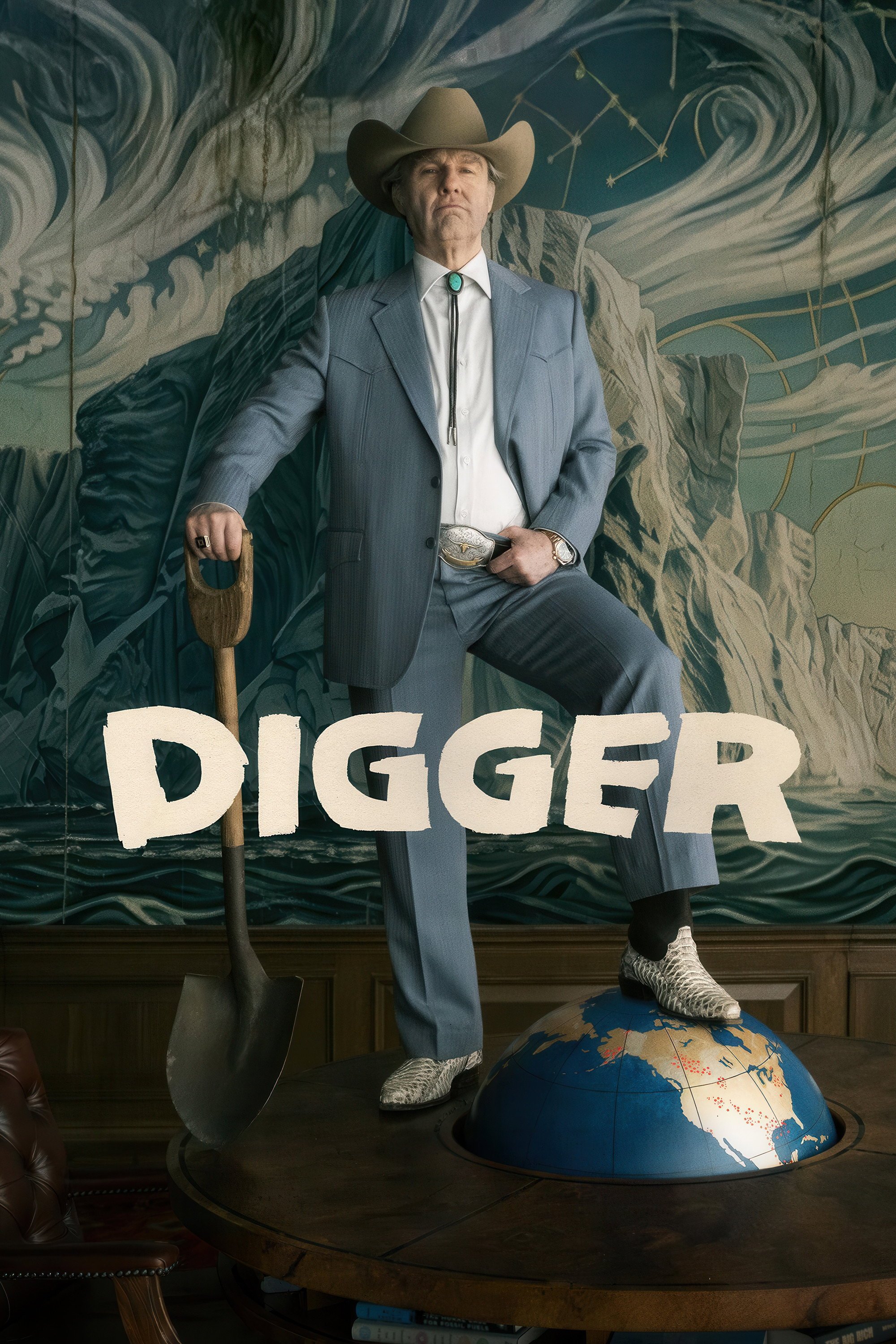
Digger, directed by Alejandro González Iñárritu, was a film I was really looking forward to ever since I first saw the trailer. The idea of seeing Tom Cruise take on the leading role in a dark comedy was intriguing enough, but seeing his transformation into Digger Rockwell convinced me that this was something I needed to see as soon as it hit cinemas. Unfortunately, despite how excited I was going into it, the film never quite connected with me the way I had hoped.
There's no denying the ambition behind Digger. You can feel the passion that went into making it, and the cast fully commits to the film's absurdity, particularly Tom Cruise, who seems to be having a great time in the role. The performances are deliberately exaggerated, and the sets have an almost artificial, theatrical appearance that initially threw me off. However, as the story unfolds, these creative decisions begin to make more sense. I appreciated that attention to detail, even if the film itself wasn't necessarily working for me.
Where I struggled most was with the film's social commentary. Digger has quite a lot to say about capitalism, corporate greed, government, and the consequences of allowing powerful individuals to act without accountability. It also raises some interesting questions about how we use entertainment and satire to make sense of tragedy, and whether doing so can sometimes diminish the seriousness of what people have experienced. There's plenty to unpack here, and I can appreciate what Iñárritu was trying to accomplish, but I never felt particularly invested in how the film explored these ideas.
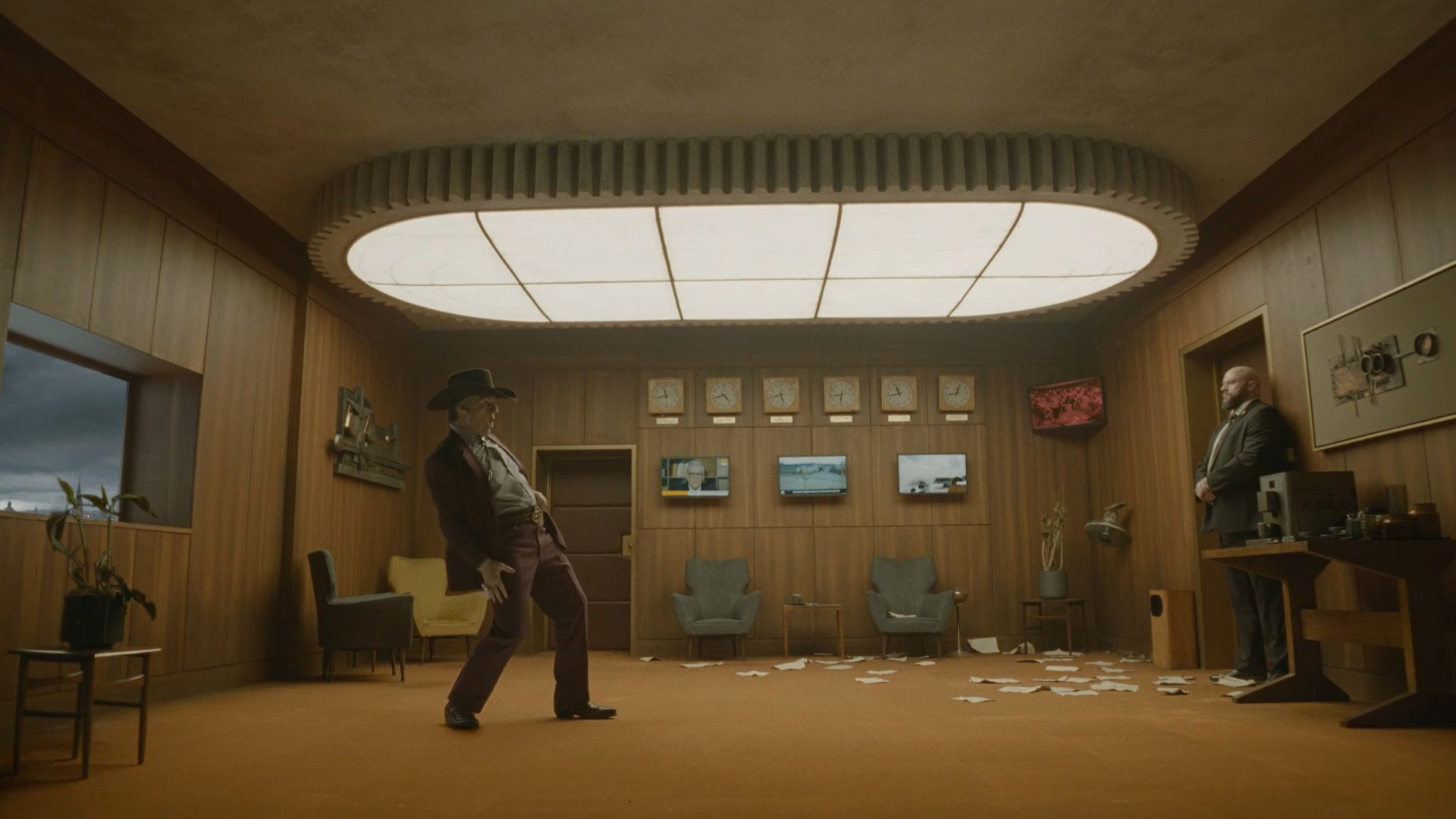
One thing I kept thinking about while watching Digger was who exactly this film was trying to reach. Coming from Trinidad and Tobago, I couldn't help wondering how much of its satire would resonate with the average person, not just here in the Caribbean, but in other parts of the world as well. That's not to suggest that people from smaller or developing countries don't understand the issues being discussed, because these things affect all of us, whether we realise it or not. However, I think there's a difference between something affecting your life and feeling personally connected to the way it's being presented.
Think about someone who spends most of their day working just to make ends meet. How often are they really thinking about the influence of billionaires, oil magnates, or the decisions being made behind closed doors by some of the world's most powerful people? Those decisions might have very real consequences for their lives, but that doesn't necessarily mean they're actively following those conversations. And I think that's where storytelling becomes so important. People come from different backgrounds, with different experiences and interests, and finding a way to make those people care about what you're saying can be just as important as the message itself. For me, Digger had plenty of interesting things to say, but the way those ideas were packaged simply didn't connect.
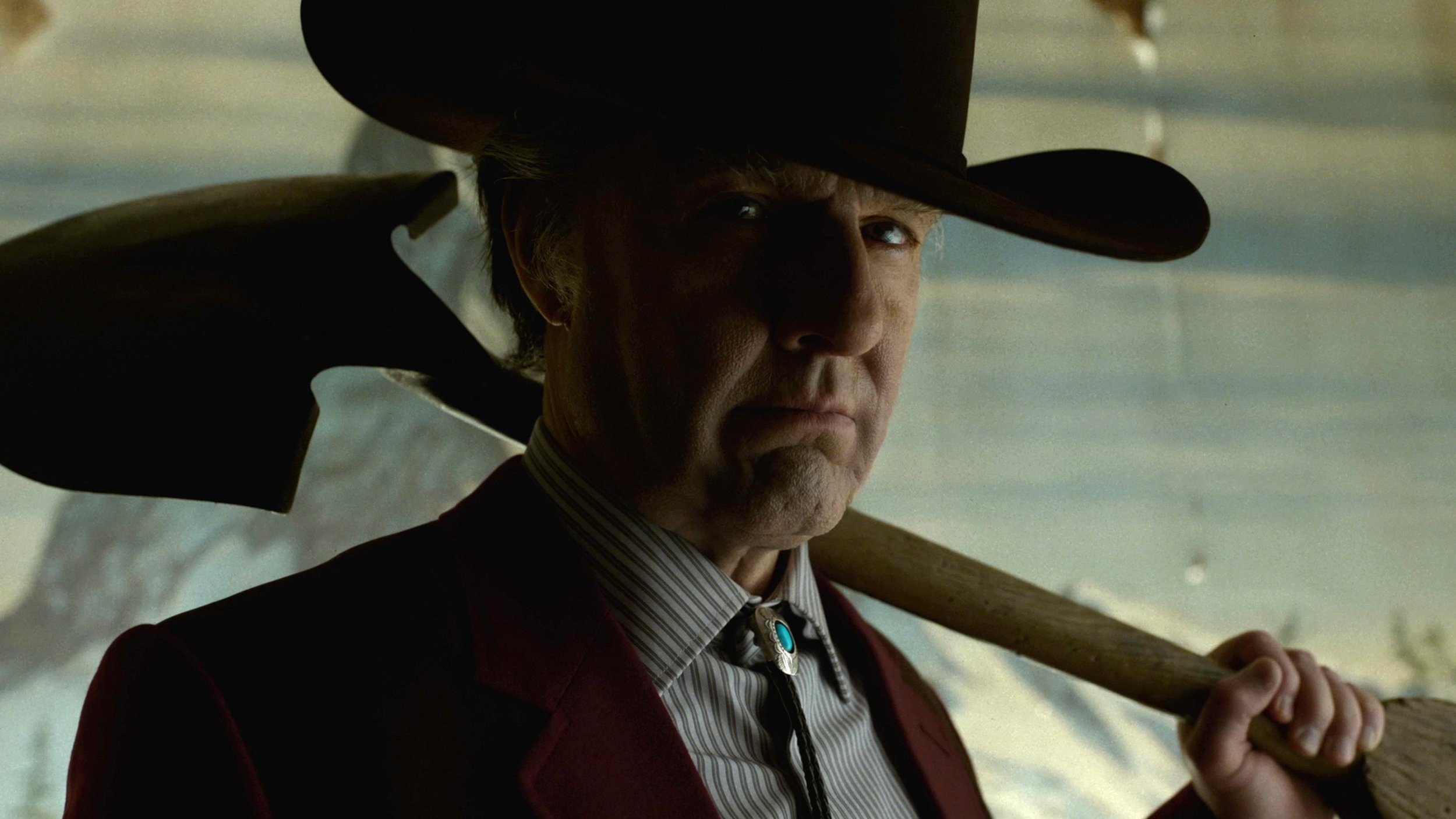
There's also something a little ironic about a Hollywood production that reportedly cost close to $200 million, featuring some of the biggest names in the industry, having so much to say about capitalism, excessive wealth, and corporate greed. We're talking about a film starring Tom Cruise, one of the biggest actors in the world, directed by an acclaimed filmmaker, with an enormous amount of money behind it. Now, I'm not suggesting that wealthy or successful people can't criticise the very systems they've benefited from, because I think those conversations are important regardless of who's having them. But I couldn't help finding the whole thing a little strange. After all, there's something amusing about spending that much money to make a film warning audiences about the dangers of wealth and excess.
Perhaps that contradiction is intentional, especially given the film's satirical nature. Maybe Iñárritu is fully aware of the irony, and it's another layer of the joke that went over my head. Who knows? But it did get me thinking about the relationship between Hollywood and the very issues it chooses to criticise. These are some of the wealthiest and most influential people in entertainment, working within an industry that operates on many of the same principles the film takes aim at. That doesn't make the message any less valid, but I do think it's an interesting contradiction worth acknowledging. And when you consider just how much money was invested in bringing Digger to life, its commercial performance makes the entire situation even more interesting.
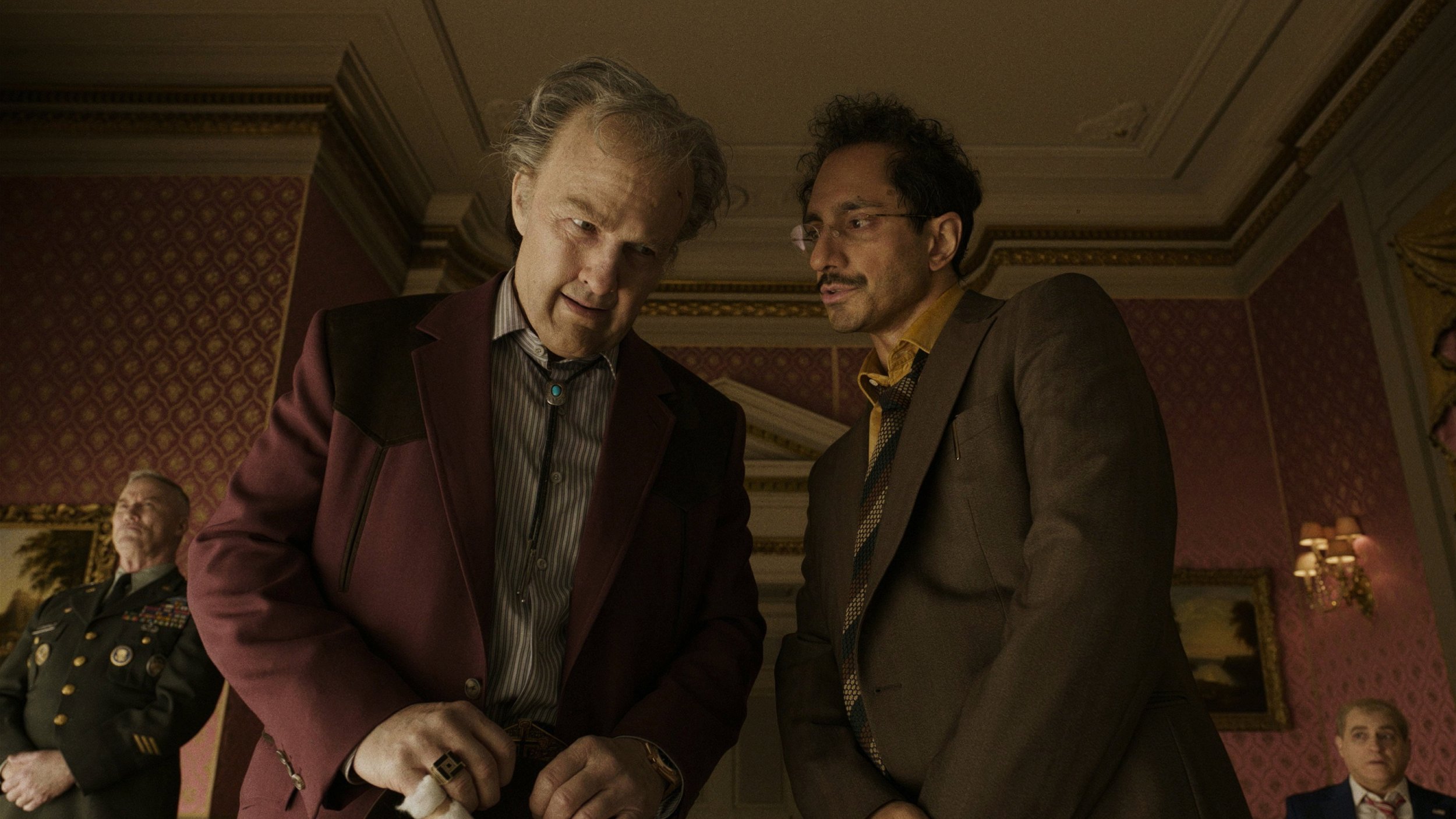
What I do find unfortunate, though, is just how badly Digger has performed commercially. With losses projected to reach nearly $250 million, I can't help worrying about what a failure of this magnitude could mean for the future of original filmmaking. Studios are already heavily invested in sequels, remakes, and established franchises, and I'd hate for Digger to become another reason for them to play it safe rather than take chances on something different. At the same time, audiences aren't obligated to support a film simply because it's original, and there are probably several reasons why this one struggled to attract moviegoers.
Ultimately, I walked into Digger with high expectations and left feeling disappointed, but that doesn't mean I regret seeing it or wish it had never been made. I genuinely hope its failure doesn't discourage studios from investing in ambitious, original ideas, because cinema would be a far less interesting place if filmmakers stopped taking creative risks. Not every gamble is going to pay off, and Digger certainly didn't work for me, but I'd hate for Hollywood to take the wrong lesson from its failure. Perhaps the problem isn't that audiences have lost interest in original films, but that even the most ambitious ideas still need a story people actually want to experience.