Week in, week out, there's always something new to watch at the cinema, and the latest film to catch my attention is Wicker. Written and directed by Alex Huston Fischer and Eleanor Wilson, the film follows a fisherwoman, played by Olivia Colman, who lives a relatively solitary life and is frequently mocked by the townspeople for her loneliness and unpleasant, fishy smell, an unfortunate hazard of her trade. Despite their treatment of her, she doesn't seem particularly bothered and continues going about her life without much concern for what others think of her.
Now, if you're wondering why I haven't mentioned the Fisherwoman's actual name, that's because the characters in Wicker aren't given traditional names. Instead, the men are identified by their trades, such as the Tailor or the Baker, while married women are referred to by their husbands' occupations, such as the Tailor's Wife. It's an interesting, creative decision that gives us an early glimpse into how women are viewed in this society, where their identities are often tied to the men they marry.
The Fisherwoman, however, doesn't seem particularly interested in conforming to those expectations, choosing instead to live life on her own terms. But I think there's another layer to her independence that's worth considering, as much of the life she's built was shaped by circumstances beyond her control. While she may genuinely reject the traditional roles expected of women, she's also someone who has learned to make the most of the hand she's been dealt. There's something quite beautiful about that, because although she may not have had much control over the circumstances that shaped her life, she's still determined to have a say in what happiness looks like for her.
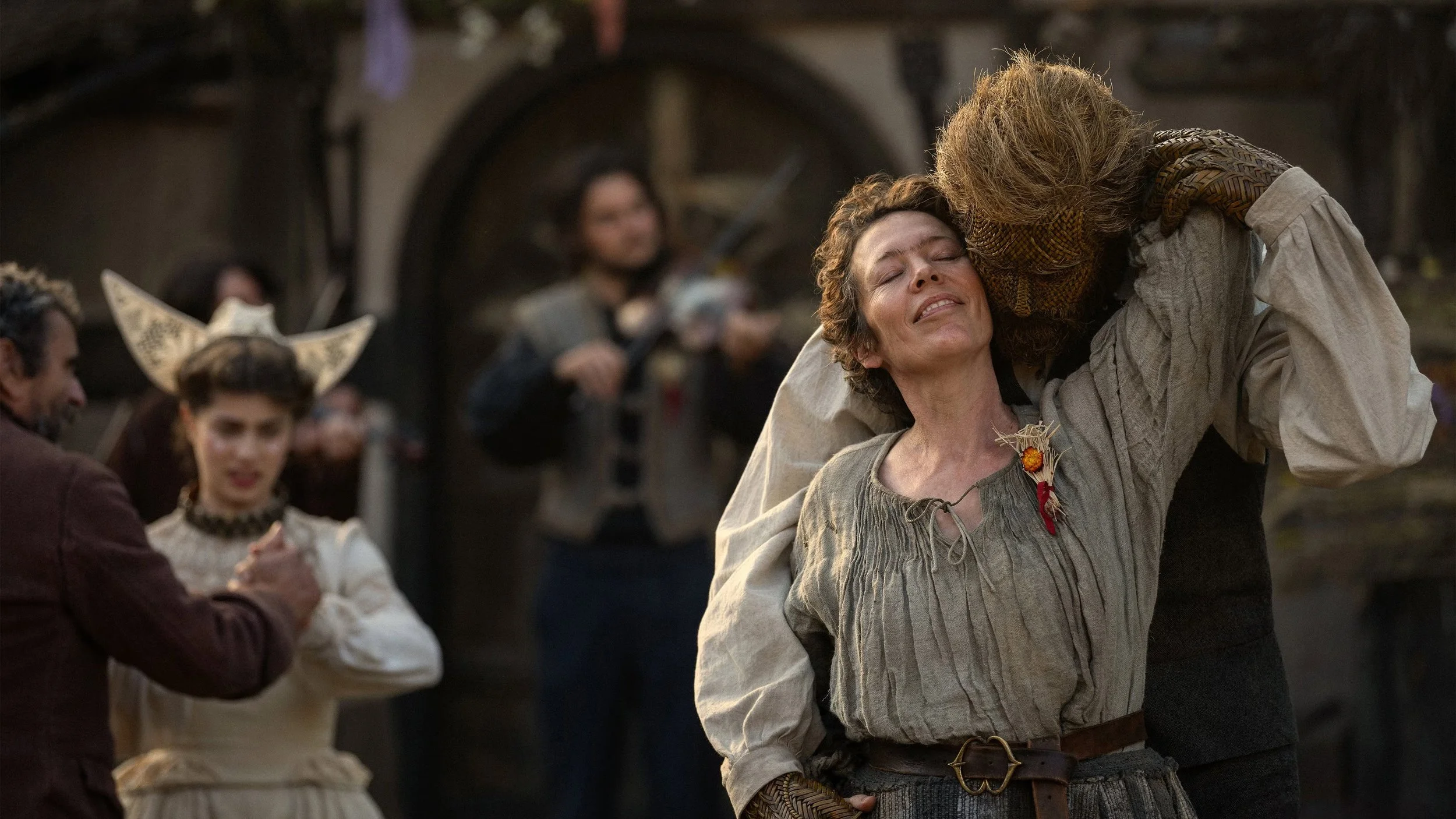
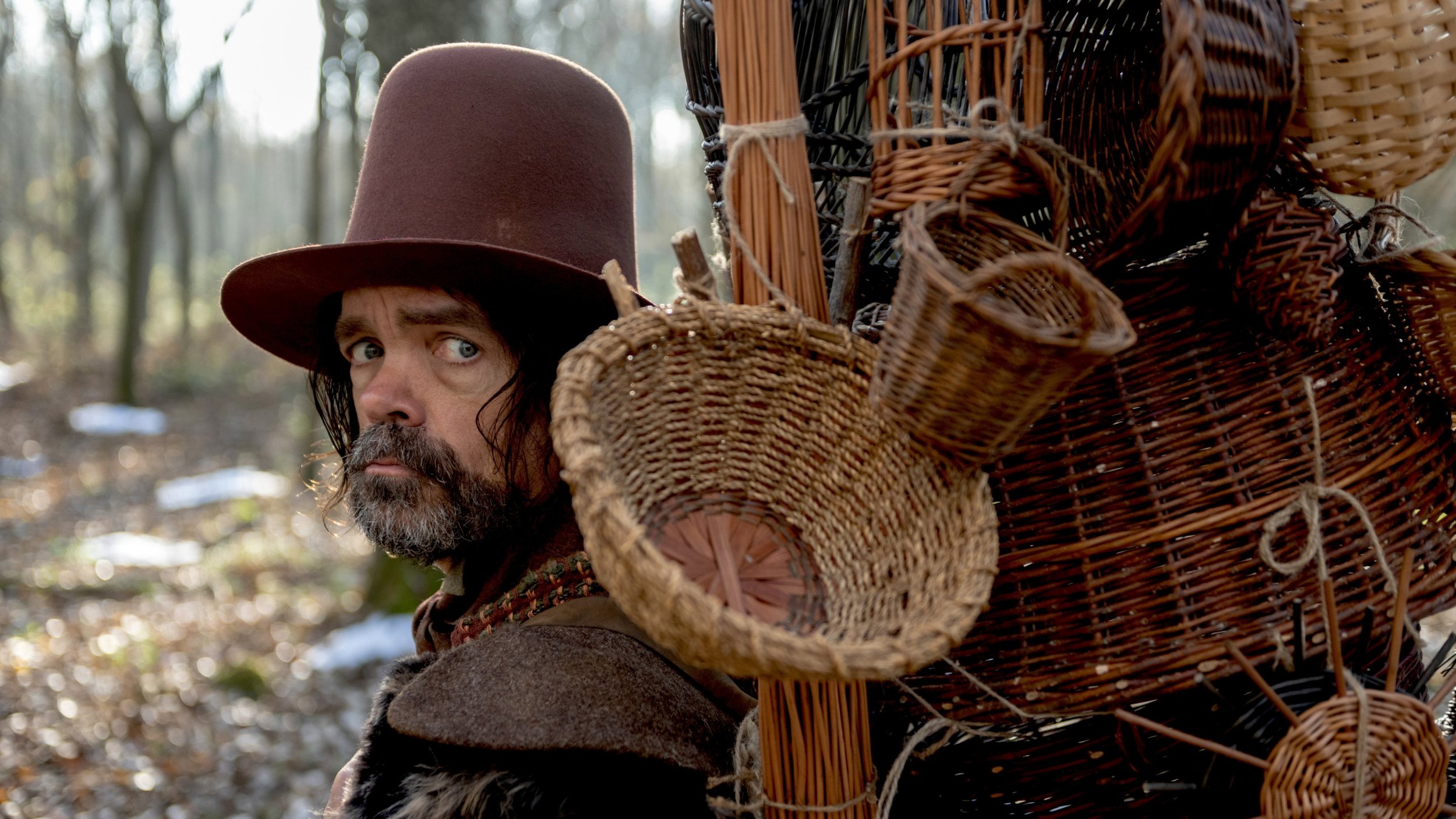
However, while the Fisherwoman may be content with her independence, that doesn't mean she's opposed to finding love. Things take a turn when she attends the wedding of the Tailor's Wife's sister, where unmarried women participate in a tradition involving shaking baskets of eggs to determine who will marry next. Think of it as an unusual version of the bouquet toss. When the Fisherwoman is chosen, the townspeople ridicule her, unable to imagine anyone wanting to marry her. Undeterred, she approaches the local Basket Weaver, played by Peter Dinklage, with an unusual request: to make her a husband out of wicker.
Enter the Wicker Husband, played by Alexander Skarsgård, an endearing, charming, and unintentionally funny addition to the story. Created specifically for the Fisherwoman, he takes to being a husband exceptionally well. What I found particularly interesting is how he challenges the village's traditional ideas of masculinity without even realising it. He isn't concerned with appearing tough, asserting dominance, or proving himself to anyone. Instead, he finds happiness in caring for his wife, whether that's fixing up their home, showing affection, or simply listening to her.
There's also a certain innocence to him that makes his character all the more endearing. He can come across as naive, particularly in his eagerness to please his wife, but he never sees kindness or affection as something that makes him less of a man. I think there's a valuable lesson in that, especially when we consider how often people allow society to dictate what masculinity should look like. Through their unconventional relationship, Wicker challenges those expectations while reminding us that happiness doesn't have to follow anyone else's rules.
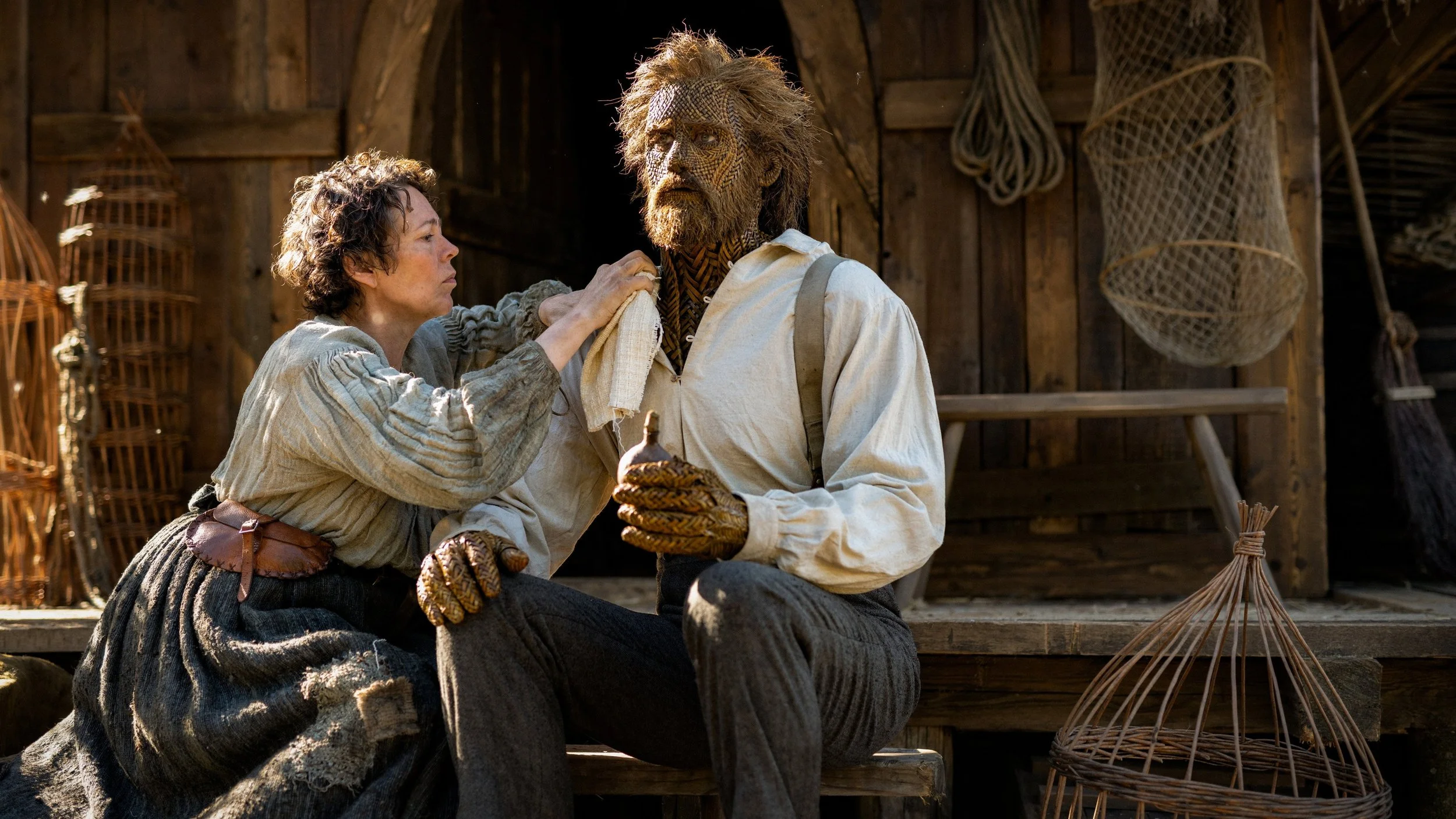
Their relationship isn't without its challenges, though, as jealousy, insecurity, and questions of trust begin to complicate things. I won't get into the specifics, but the drama adds another interesting layer to the story. Thankfully, Wicker is also a genuinely funny film, with the filmmakers fully embracing the absurdity of its premise. There are some hilarious moments throughout, and I appreciated how naturally the humour fits into the story without taking away from its more meaningful moments.
That balance between humour and drama works particularly well thanks to the cast. Olivia Colman and Alexander Skarsgård have fantastic chemistry, especially considering he's playing a literal man made of wicker. Elizabeth Debicki is equally impressive as the Tailor's Wife, whose bitterness and jealousy stem from something deeper than simple resentment. She's a woman who wants to be seen as her husband's equal but finds herself confined to the traditional roles he expects her to fulfil, making her frustration all the more understandable.
I also have to give credit to the team responsible for bringing the Wicker Husband to life, because he looks fantastic on screen. His intricate design and limited expressions suit a character who's still learning about the world, often mimicking the people around him. Yet despite not being human, there's something wonderfully human about him. He doesn't show kindness to earn brownie points or expect anything in return. He simply cares because he cares, and there's something genuinely touching about that, especially when compared to the selfishness and insecurities of those around him.
Overall, I had a wonderful time with Wicker. It's a great film, with a strong cast, plenty of humour, and a genuinely charming story that's just as thoughtful as it is entertaining. Beneath its absurd premise, the film explores some very real issues surrounding love, happiness, and the expectations society places on us, particularly when it comes to masculinity. I genuinely believe it's a film more young men should experience, especially here in Trinidad and Tobago, where traditional ideas of what it means to be a man still shape how many of us view ourselves and our relationships. Wicker reminds us that kindness, compassion, and emotional vulnerability aren't weaknesses, and that there's no single way to be a good partner. For a film about a man made entirely of wicker, it has quite a lot to say about what it means to be human.