Monster The Lizzie Borden Story Review: Eight Hours of Slop
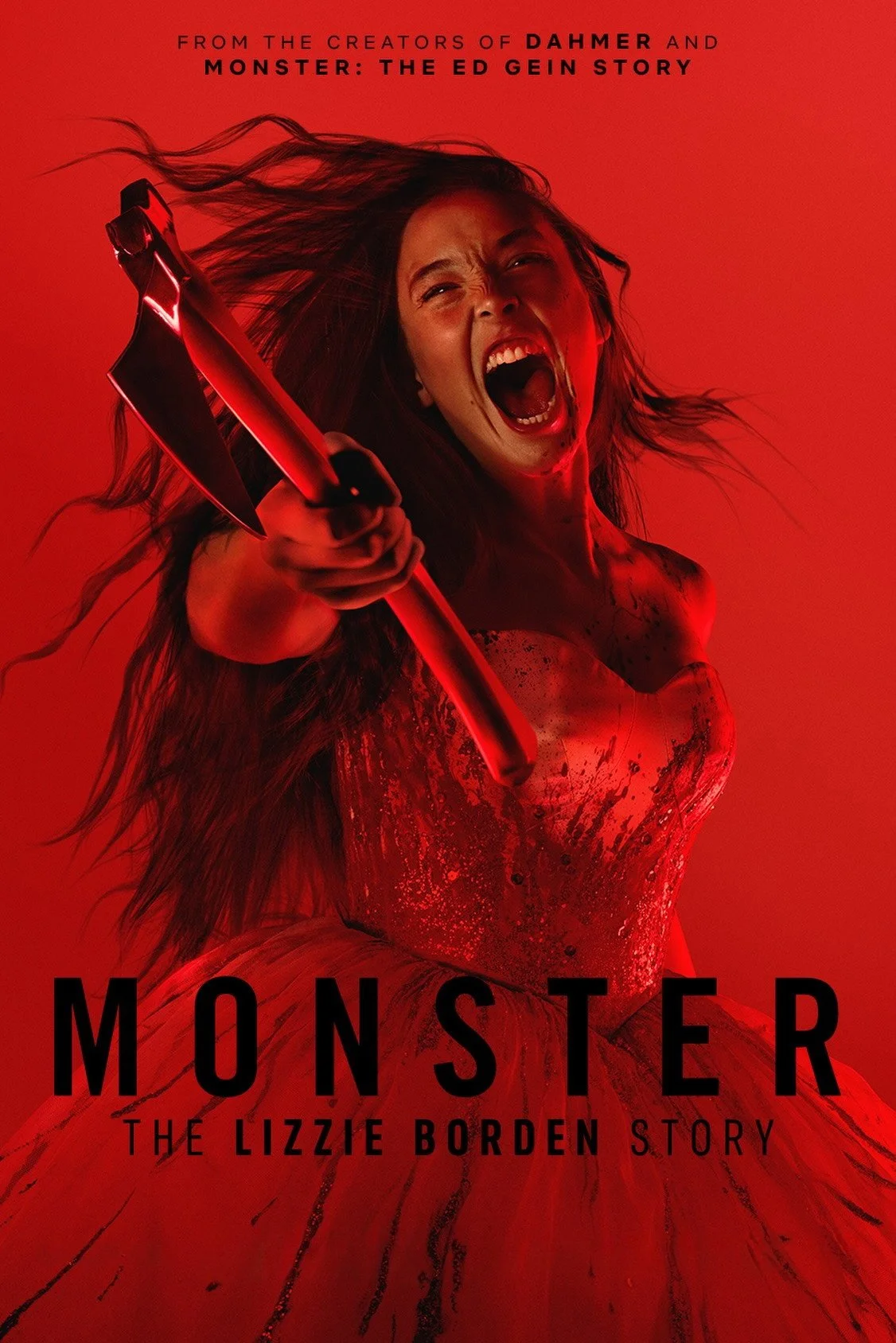
Image Courtesy of Netflix.
Normally, I try to set the scene with my reviews, but with this one, I don’t even think I want to waste any time. Monster: The Lizzie Borden Story is hands down one of the worst things I’ve watched this year. I tried my best to find a silver lining throughout the season, but there were barely any redeeming qualities on display. I cannot, for the life of me, understand why the team behind the Monster series seems so determined to brutalise real-life stories, treating them like cheap pulp instead of handling them with the care and seriousness they deserve.
I don’t even know where to begin, to be honest. Like the other Monster entries, this season focuses on a notorious figure from American history. The problem is that Lizzie Borden was never actually convicted of murdering her parents. She was acquitted, which immediately makes this entry feel fundamentally different from the others and raises questions about what kind of story the series is even trying to tell.
If you’re coming into this expecting to learn anything about the real Lizzie Borden case, I’d honestly suggest looking elsewhere. The creative liberties taken here are incredibly strange. Throughout the season, I kept asking myself why the team didn’t just tell an original story and loosely base it on Lizzie Borden, because that is essentially what this feels like. It borrows the names and basic premise of a real case, then veers so far away from reality that it becomes difficult to understand what the series is actually trying to say.
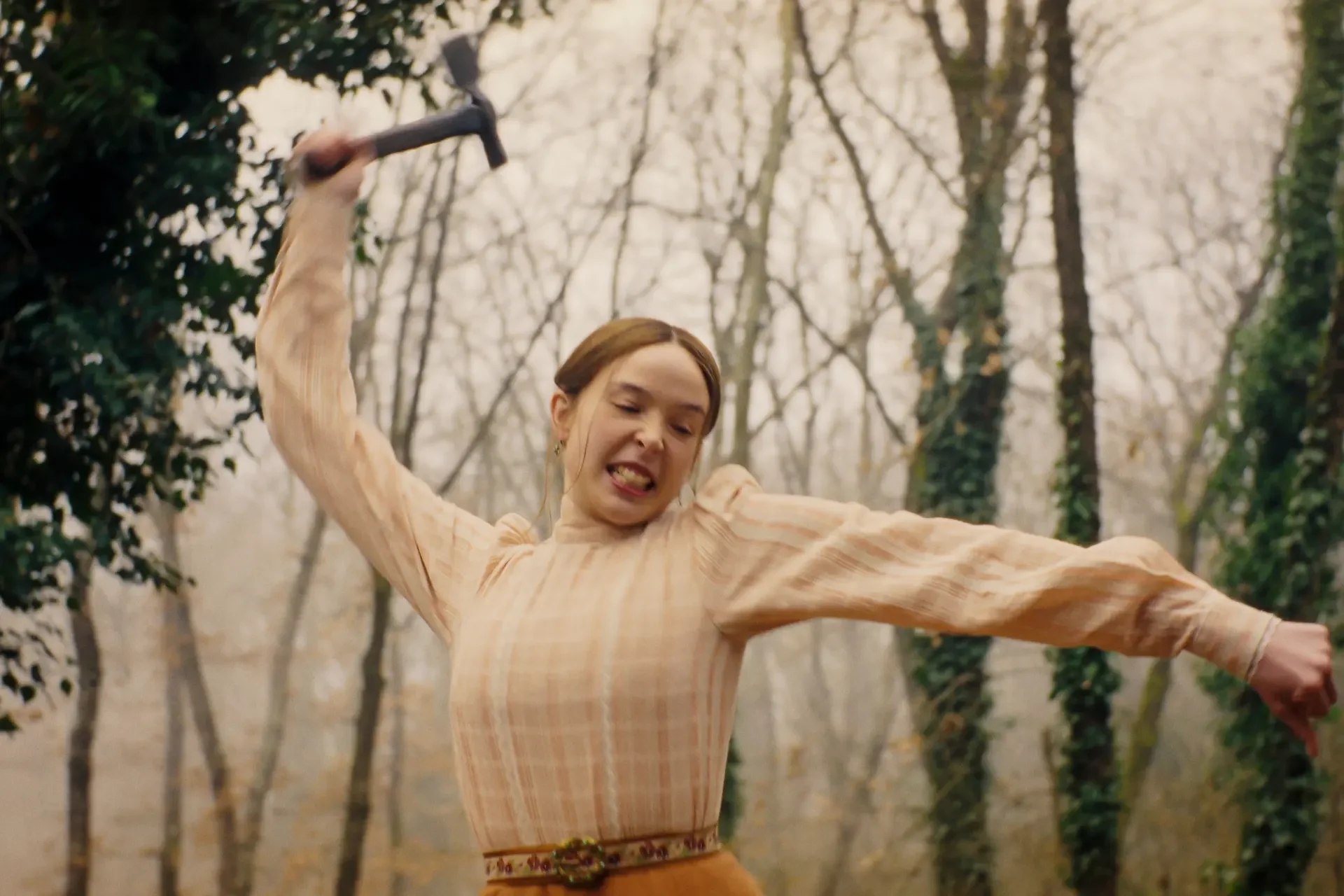
Image Courtesy of Netflix.
The more I thought about the choices this series made, the less sense they began to make. I can understand the appeal of using Lizzie Borden’s story to explore female rage and the ways women fought against systems designed to control them. That is a powerful idea. But if so much of the actual history has to be changed to fit that message, then why not tell a new story inspired by Lizzie Borden instead? The series feels disrespectful to the real people involved, particularly the victims, while also failing to make a convincing argument of its own. It borrows the name of a real case, reshapes almost everything around it, and leaves you wondering who this version is actually for.
The connection to Aileen Wuornos only makes that problem more obvious. Trying to link these two women through a broader idea of female rage is interesting on paper, but the series never makes the connection feel natural or meaningful. There is no real historical relationship between them, so their parallel becomes another forced attempt to make the story feel bigger than it is. Strangely, the Wuornos material made me wish the season had focused on her instead. There is already so much tragedy, trauma, and complexity in her life that could have supported a far more grounded story. Compared with that, The Lizzie Borden Story feels like it is constantly reaching for something profound, only to bury whatever point it might have had beneath sexualised melodrama, cartoonish violence, and wildly exaggerated storytelling.
The first Monster season at least carried a sense of intensity and horror, even if it was also criticised for how it handled its victims. With each season that followed, the anthology has seemed more interested in provocation than substance, and this entry pushes that tendency to its most ridiculous extreme.
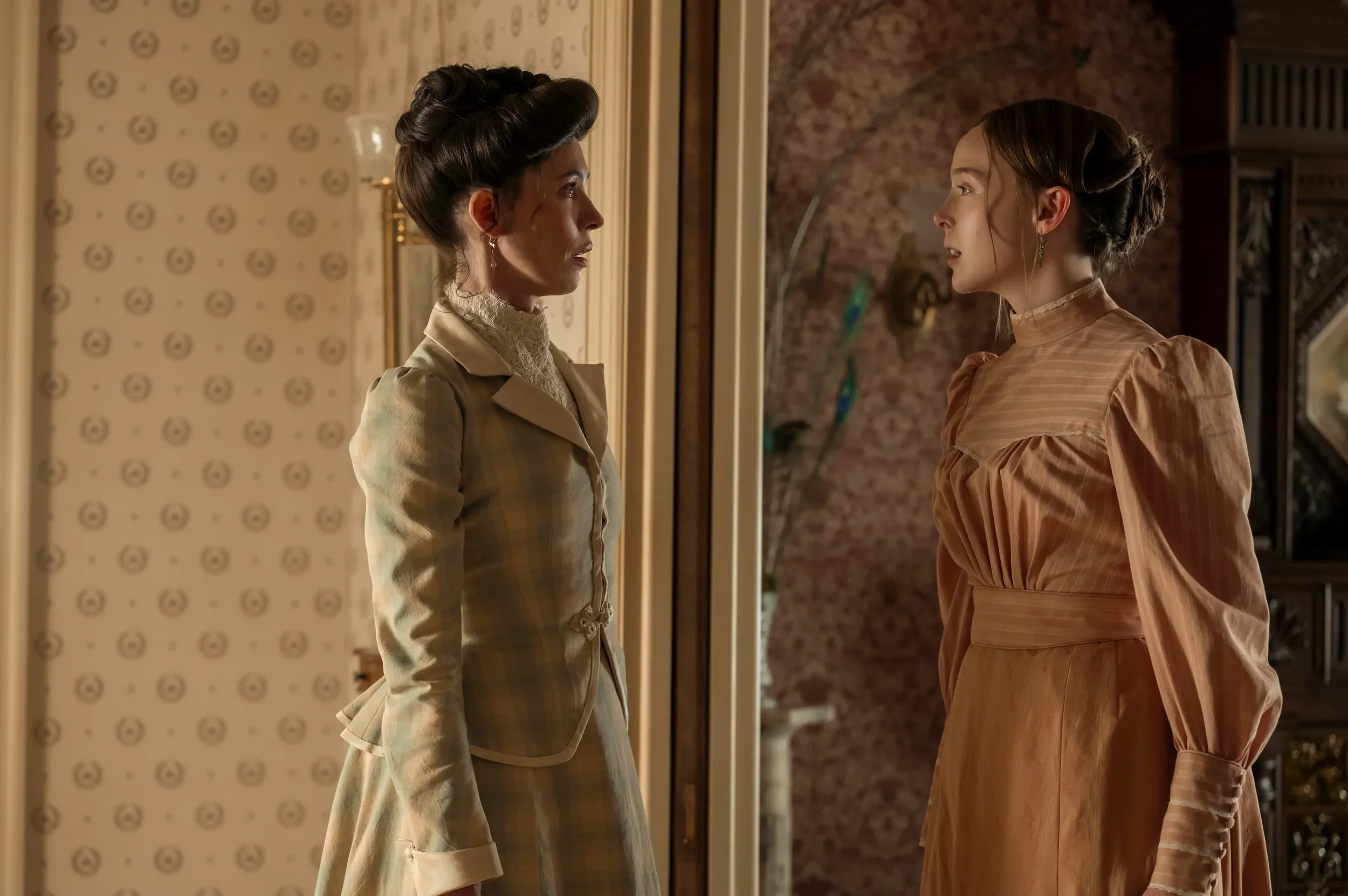
Image Courtesy of Netflix.
I’ll give the series credit where it’s due. The costumes, production design, and cinematography are impressive, creating a convincing period atmosphere and giving the show a polished visual identity. These are easily the strongest aspects of the production, which makes it even more frustrating to see so much care wasted on such a poor adaptation of the Lizzie Borden case.
The casting and performances did not leave much of an impression on me either. Ella Beatty is a talented actress, but casting someone so young-looking as Lizzie, who was in her thirties when the murders took place, feels like another strange choice. The series also portrays Lizzie as socially awkward, isolated, and almost incapable of standing up for herself. That characterization strips her of the agency she appears to have had in real life and makes her actions feel artificially sympathetic.
Rebecca Hall’s performance suffers from a similar problem. Her character is written as aggressively cruel without enough context to make that cruelty feel believable, turning her into an exaggerated villain instead of a fully realized person. If the series was going to take such drastic liberties with Lizzie’s history, it needed to give those choices some emotional or psychological foundation. Instead, the writing simply insists that these characters are miserable and evil without showing us enough to understand why.
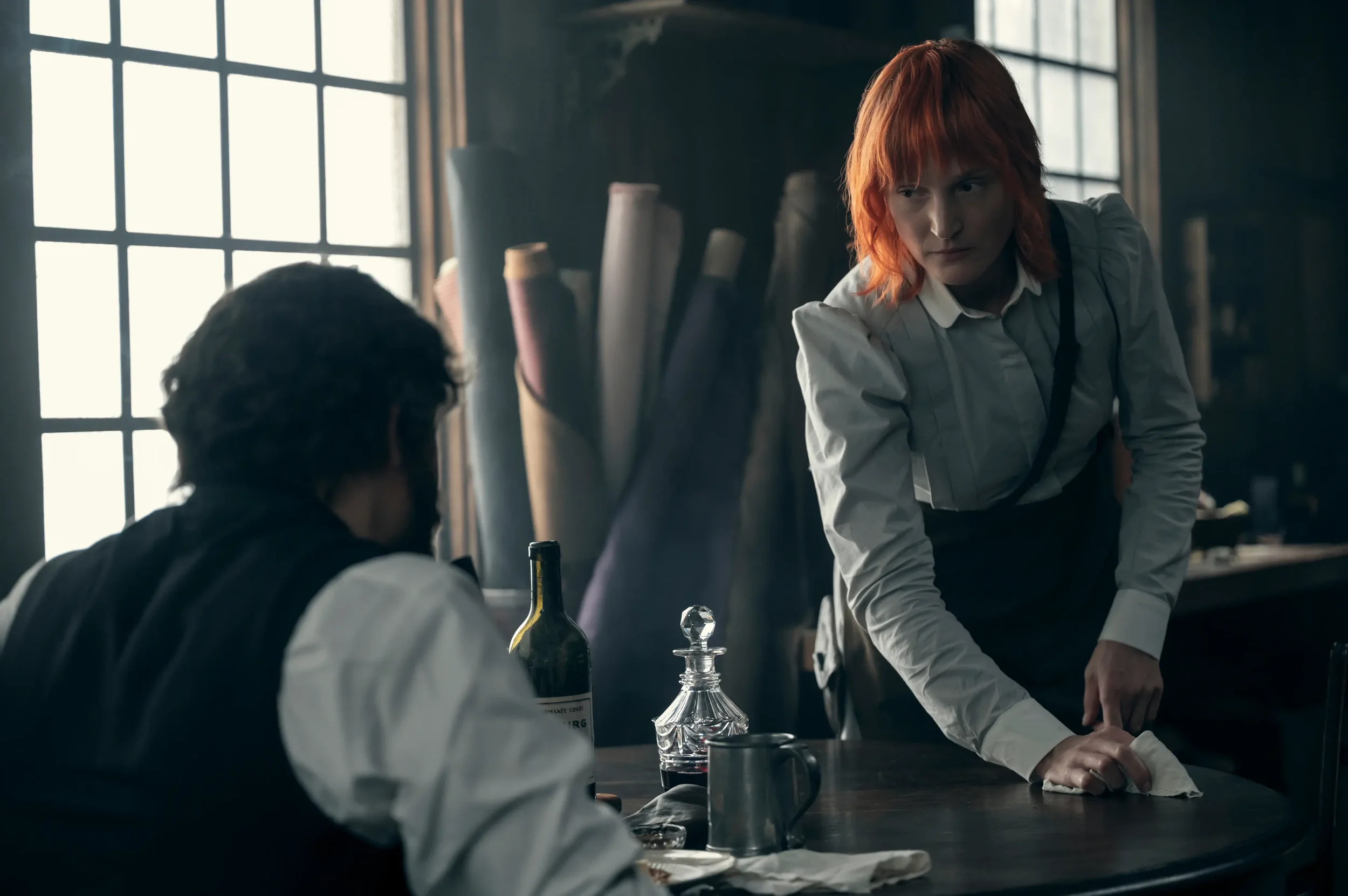
The dialogue and accents do not help, either. Nance O’Neill’s portrayal in particular felt overly theatrical, as though the actor were performing for the stage rather than a television drama. It pushed the series even further into melodrama, which is the last thing a story this poorly handled needed.
There is a genuinely interesting story buried somewhere in Monster: The Lizzie Borden Story, but this series never finds it. The production looks good, yet the writing is so nonsensical, historically careless, and tonally ridiculous that none of the visual polish can save it. What could have been a thoughtful exploration of Lizzie Borden, female rage, and the limitations placed on women becomes a messy, oversensationalized, and deeply misguided retelling.